








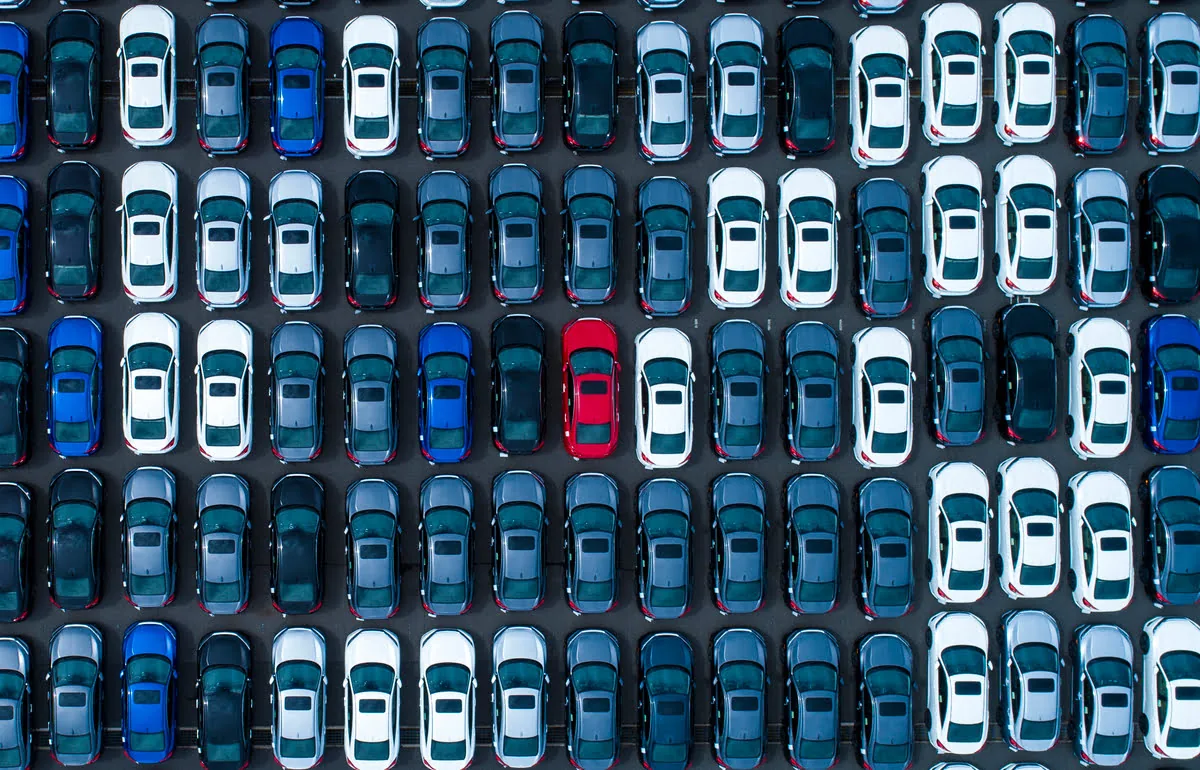
In Italy the second hand economy continues to grow: it is worth 27.2 billion euros and in 2025 65% of Italians have bought or sold used items, with an increase of +2% compared to 2024. The market is mainly driven by the Vehicles sector, first in value with 11.1 billion, where cars also lead the ranking in the main categories. The data makes it even clearer: in 2025, 2.1 used cars were sold for every new car, with an increase of +2.9% over the previous year. The propensity to purchase also grows: 21% of Italians declare having bought a used car in the last three years (+6 points over 2024) and 15% are considering a purchase in the coming months (+8 points).
Read more VR46 turns on Bulega. Raul Fernandez, future at risk?
Used cars, what growth
This is reported by the Second Hand Economy 2025 Observatory by IPSOS Doxa for Subito, now in its twelfth edition. Behind this expansion are very concrete reasons. The first is saving: for 68% used allows spending less compared to new, in a context where prices continue to rise. Right after comes convenience (28%): with the same budget you can find higher category models or better equipped than buying new. An increasingly present drive, especially among the younger, is also circularity (12%): choosing already existing goods means reducing the demand for new production and, consequently, the perceived environmental impact as lower.
Technological preferences change
At the same time, technological preferences also change: diesel remains in the lead (32%), but petrol drops to 22% (it was 29% in 2024), while hybrid (16%) and electric (14%, +10 points) advance rapidly, so much so that the sum of the two alternative engines exceeds petrol for the first time. The turning point is strongly seen on the electric and hybrid front, driven mainly by economic reasons: 61% of those who choose these engines do so for lower running costs, in a climate of attention to fuel prices. The accessibility of second hand compared to new (42%) and suitability for daily travel (38%) also play a role, while for 31% electric already represents the mobility of the future.
Signal from Gen Z
Finally, an interesting signal comes from Gen Z (18-24 years): they have a higher purchase intensity than the national average (27% versus 21% in the last three years, and 17% versus 15% under consideration), looking for cars especially in an informed way between online and then dealership. Specific reasons also matter to them: right after saving (51% versus 68% of the total) emerges the purchase for new drivers or first car (34% versus 14%) and circularity (16% versus 12%). Electric also weighs more for Gen Z (35%), although diesel and petrol still prevail in the market, with BEV even more marginal for availability and choice in many price ranges.
Click here to add Formula Passion as a preferred source on Google Discover: you will find our content more easily!
Read more Paradox in Munich: electric power will be ‘castrated’ because otherwise it would go too fast