

The elephant in the room in F1
Regardless of the – so far presumed – improvements made by the FIA to the new 2026 regulations, the impression remains that the new era of F1 has started on at least a questionable concept. The almost equal division of importance between electric power and the internal combustion engine within the power unit was already criticized by Chris Horner when he was Red Bull team principal, and in recent weeks Max Verstappen has also argued that F1 will not make great strides until it gets rid of this “50-50”.
Read more Morbidelli, penalty at Le Mans: will miss the first 5 minutes of FP1
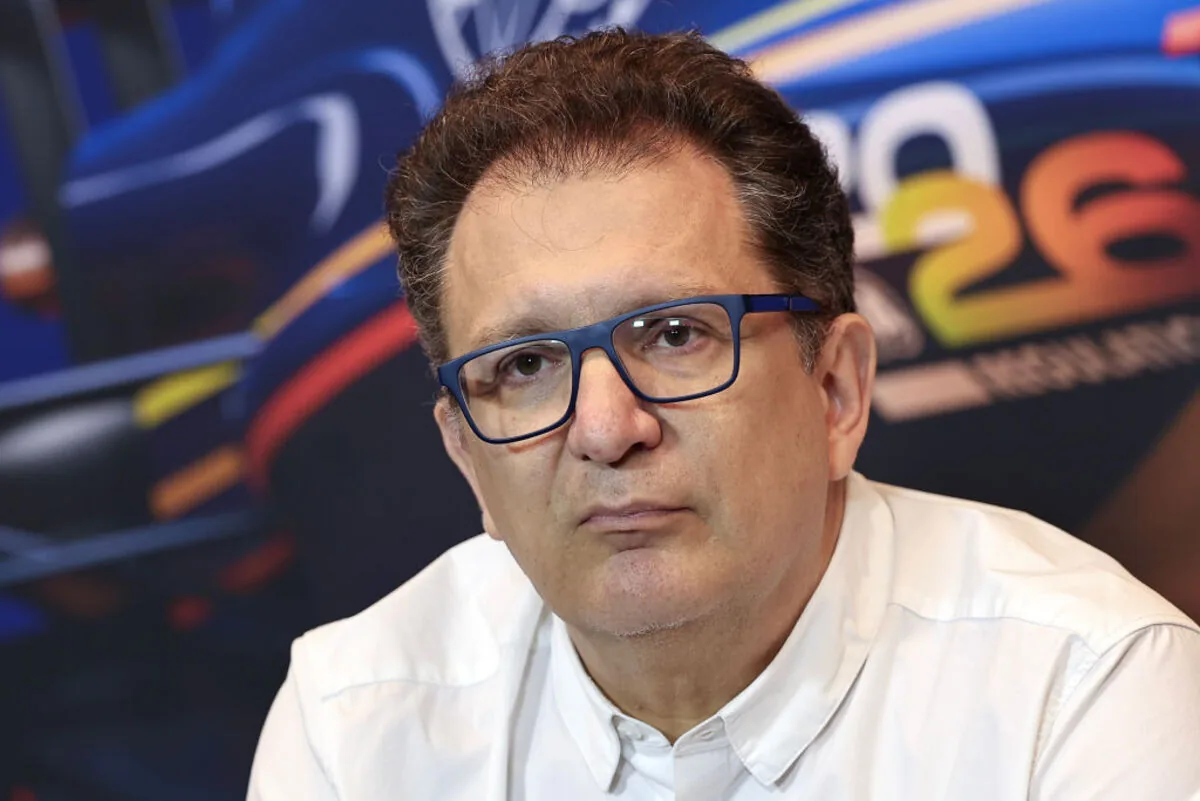
During the spring break, F1 poured classic cold water on the fire, emphasizing how the changes to the regulations were the result of teamwork with the FIA, drivers, teams, and engine manufacturers. But on the elephant in the room, namely the increased importance of electric power, it hadn’t said much. FIA single-seater director Nikolas Tombazis tried to do so, explaining that F1 was almost forced into this choice back in 2022 due to market demands related to the automotive industry.
Tombazis’s words
“The political landscape has changed. When we discussed the current regulations, car manufacturers said they would never produce another internal combustion engine again,” commented the Greek. “The intention was to gradually phase out fossil fuels and switch completely to electric by a certain year, but this clearly hasn’t happened. This doesn’t diminish the importance of electrification globally, but it hasn’t materialized to the extent expected.”
Read more Audi, McNish’s debut in Miami: “Great pride. Let’s see where we stand compared to our rivals”
Tombazis seems to admit that, in hindsight, a mistake was made. All the more reason, F1 must define the principles of the future as soon as possible, so that a forward-looking perspective can be pursued again: “We must protect the sport from the global macroeconomic situation. We cannot be held hostage by car manufacturers’ decisions to participate or not in our sport. We want them to be there, but we cannot find ourselves in a vulnerable situation if they decide to leave. We need to start discussing the type of changes very soon, because the development times for a power unit and everything else are quite long.”