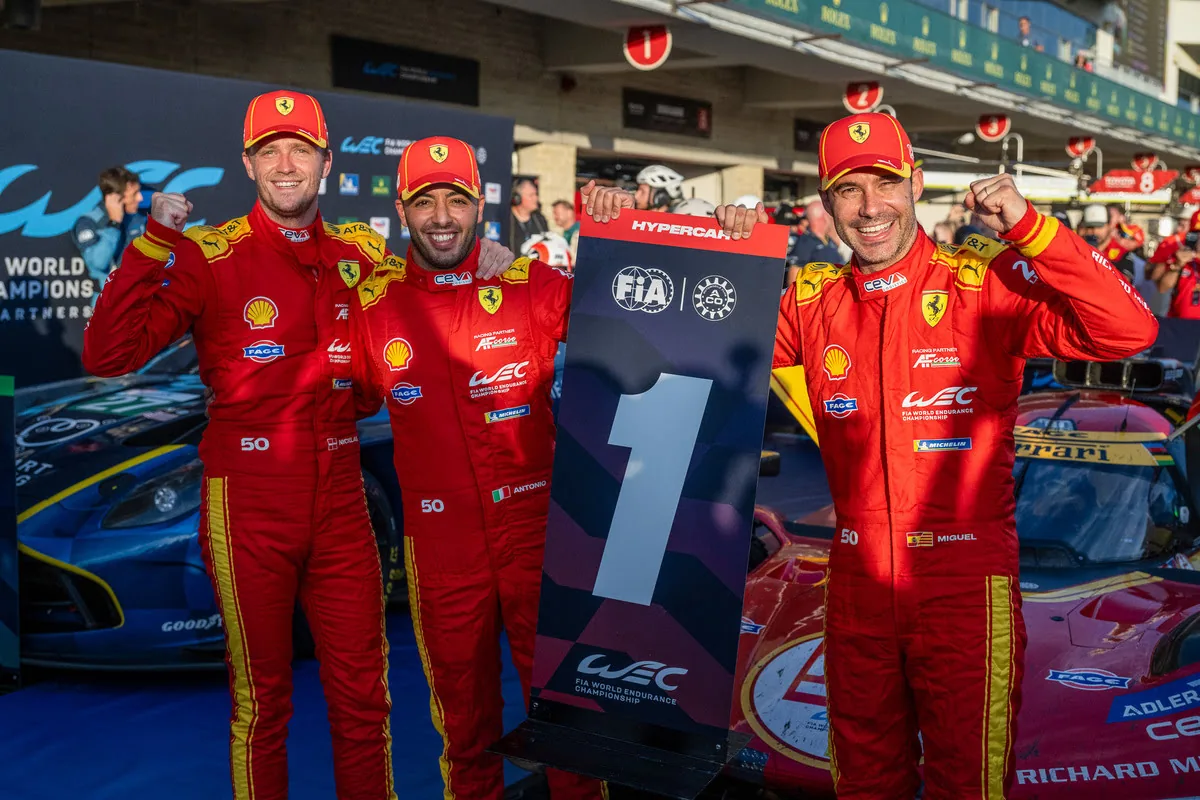

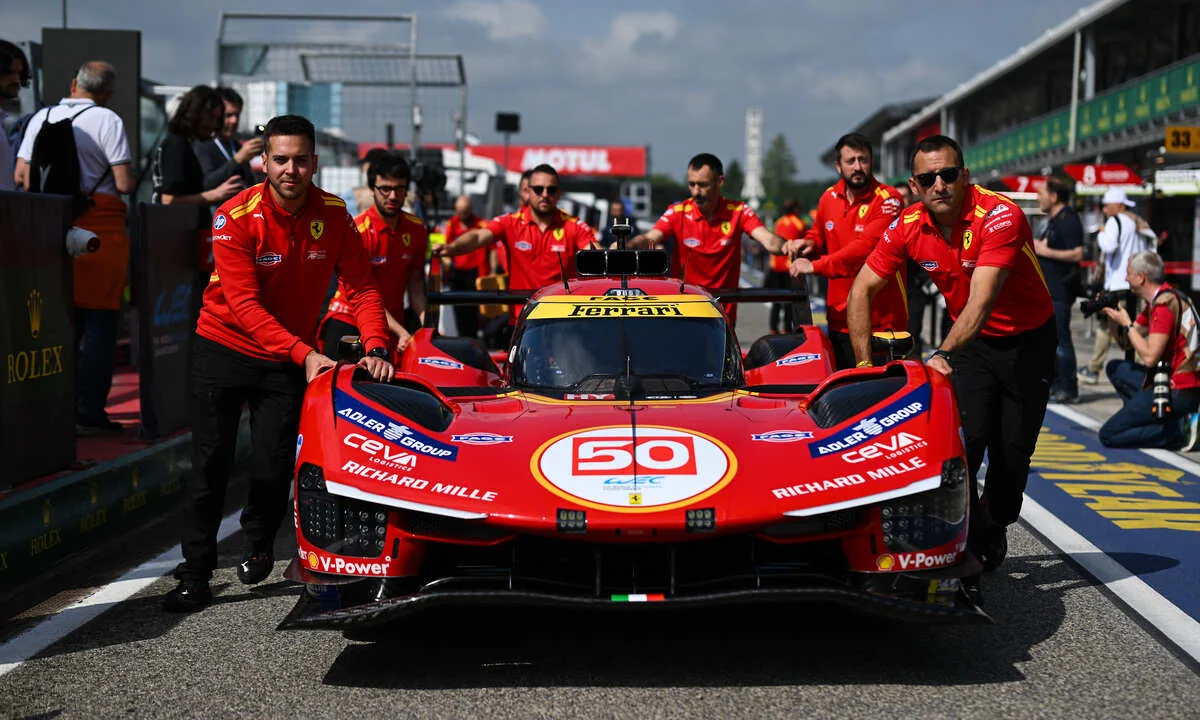
The new WEC season opens in Italy, in which Ferrari appears for the first time as the favorite. The world champions come off the convincing victory of 2025, also orphaned of Porsche, the rival that more than any other had been able to trouble the Prancing Horse. Competition, however, will not be lacking, whose updates undermine the certainties of the Maranello team, just like the debut of the new Michelin tires.
Read more Fire at BYD warehouse in Shenzhen: when batteries are not involved (and the narrative is reversed)
Ferrari’s advantage
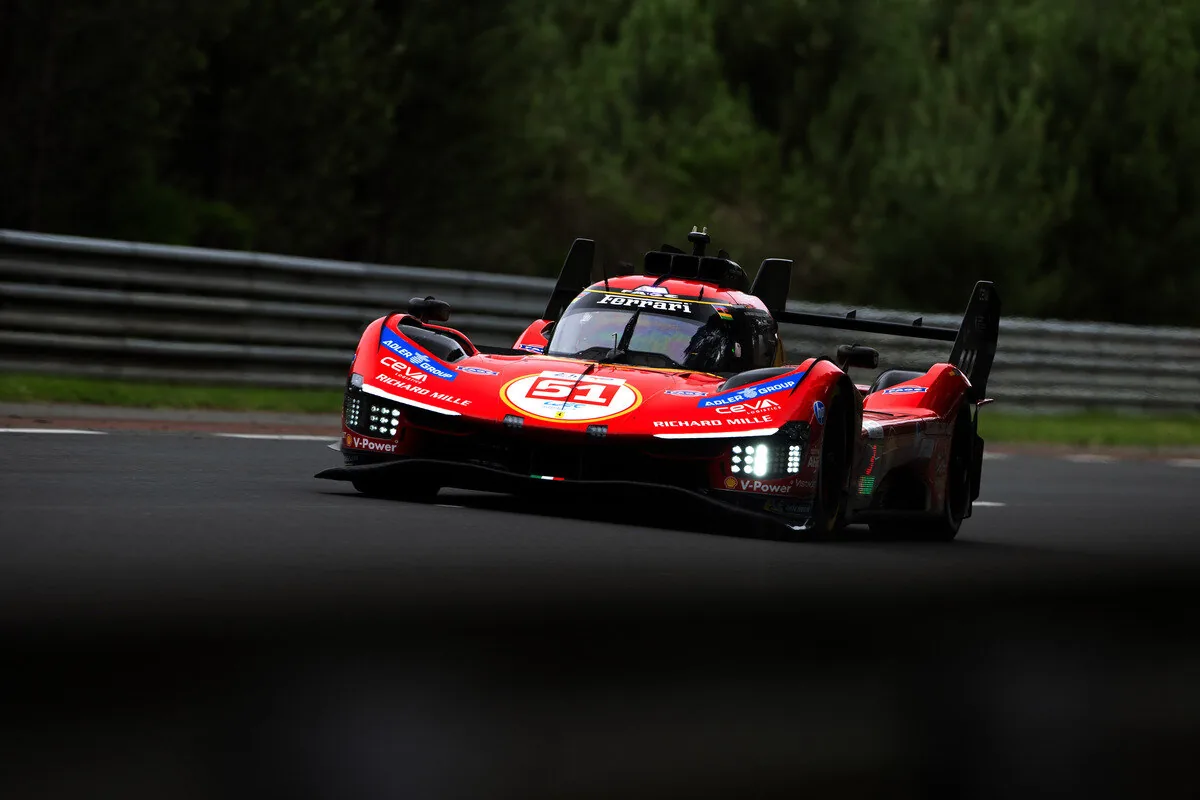
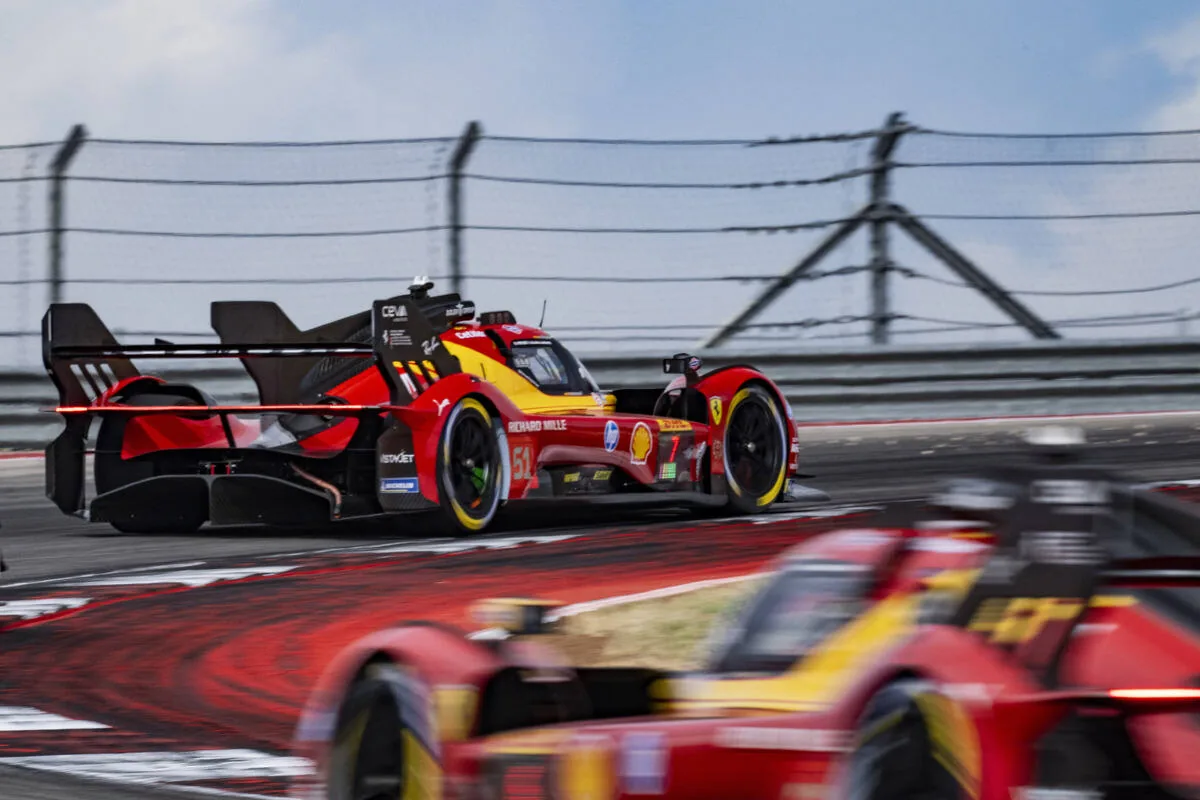
The 499P will defend the title running in the same configuration as 2025, except for the small changes necessary for the new wind tunnel homologation. The Italian Hypercar has shown it can compete anywhere, although its strength remains efficiency on high-speed tracks, with the obligation therefore to maximize potential at Imola, Spa, and Le Mans. Last year, the triumphs in the first part of the season were decisive for winning the title, now urging Ferrari to repeat with a good start to the championship, also to capitalize on the advantage over the competition.
Maranello’s team, in fact, is the only top team not to have made changes to its car. To date, the only evolutionary token spent in the entire life of the 499P remains the intervention on the braking system in 2024. While not introducing any updates opens the door to a possible approach by the competition, on the other hand, it ensures Ferrari the advantage of relying on a well-known car, whose needs and how to exploit it best are known.
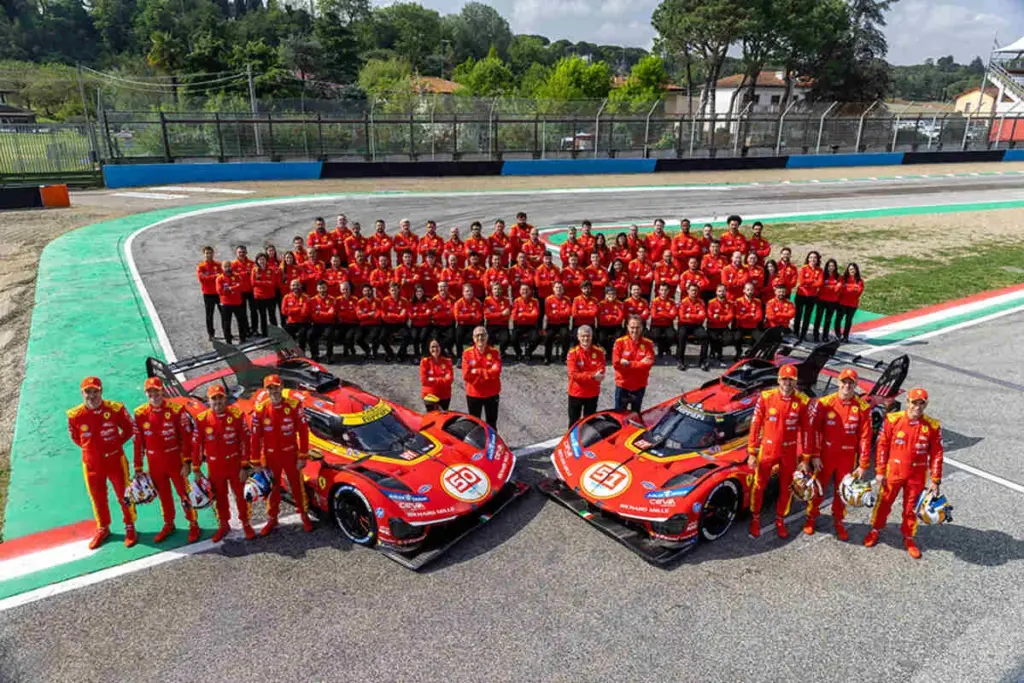
The absence of aerodynamic novelties, moreover, does not imply that no work has been done. Just like last year, the technical department coordinated by Ferdinando Cannizzo has carried out horizontal development, starting from data collected on track to optimize setup strategies, driving styles, and power unit management software. However, there is a big unknown. 2026 coincides with the debut of the new Michelin tires, which everyone will have to study on the fly to learn how to manage them best.
New rivals
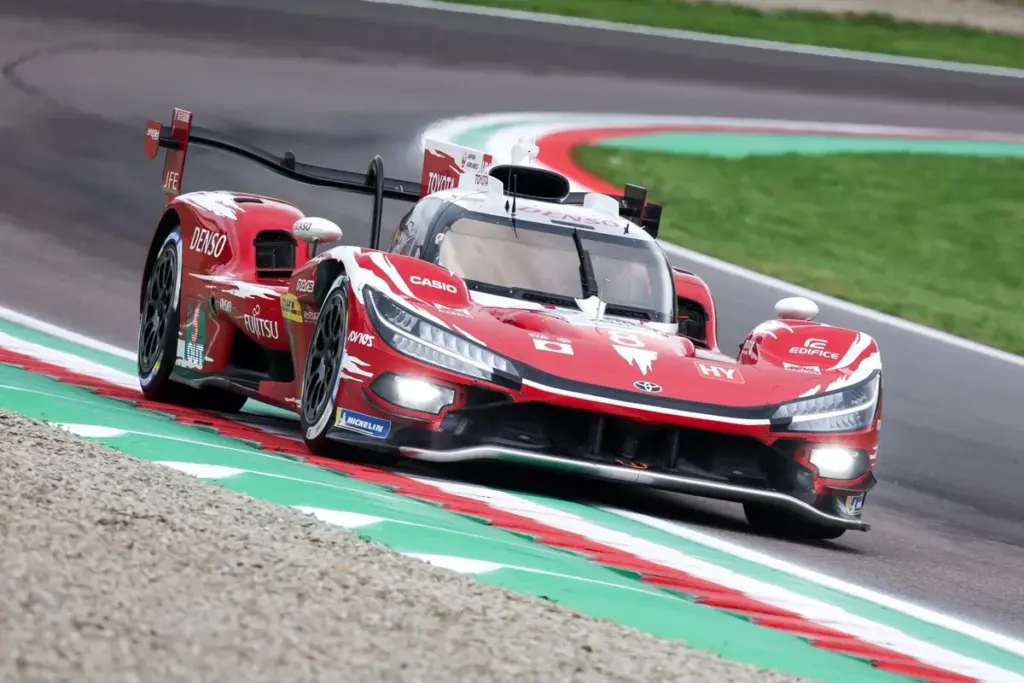
Among the chasers, the heavy absence of Porsche is felt, Ferrari’s main rival last year, with the hope that the duel between the Prancing Horses of Maranello and Stuttgart can be renewed in the future. All attention thus falls on Toyota, which offers a deeply updated version of its Hypercar, renamed TR010. The novelties mainly concern aerodynamics, already tested in a long test program started in 2025. The doubt is what the actual growth margins of a project dating back to 2021 are and how long the team will take to understand how to extract the potential of the novelties.
Read more F1 Fever: South Korea wants to host a GP again in 2028
These are valid questions also for others, starting with Cadillac. General Motors’ LMDh has abandoned Carbon Industrie brakes to switch to Brembo systems, also working on aerodynamics. The rear wing is lower, the splitter is brand new, while the adjustable profile has been moved from the front to the rear. 2026 will also be the second year of collaboration between Cadillac and the Jota team, which will be able to leverage the experience of the first season to improve especially in races, after showing excellent competitiveness in qualifying.
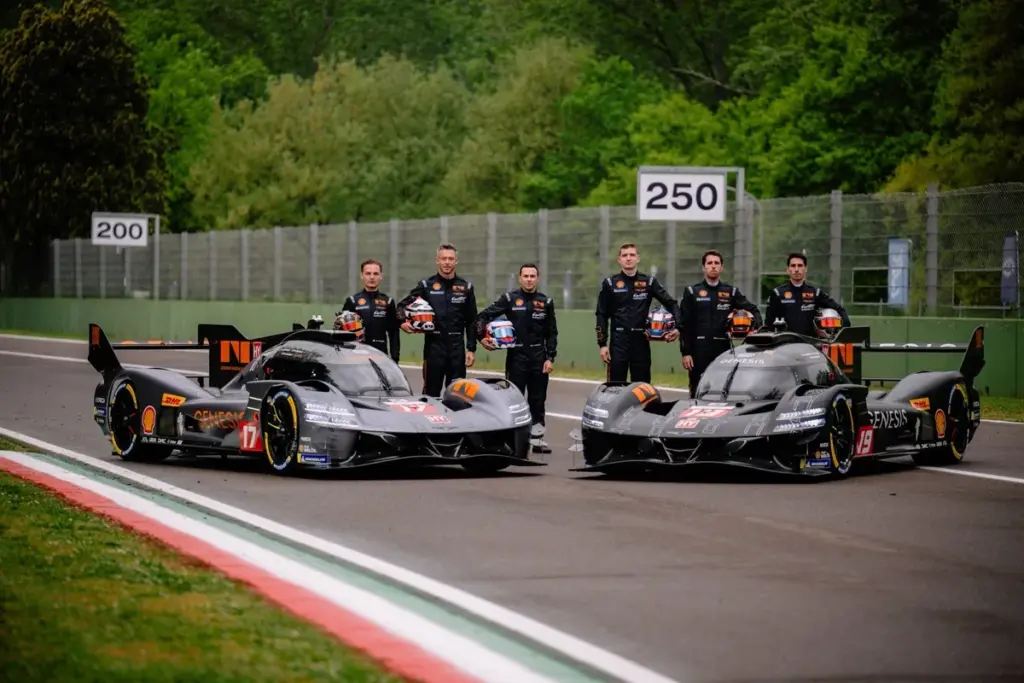
Among the manufacturers to watch are also BMW, also renewed in aerodynamics to improve drivability, and Alpine. Aston Martin will try to continue its approach to the group, while it is wondered if this is finally the right year to see the Peugeot project take off. Finally, there is Genesis, the newcomer in the Hypercar field. From the Korean manufacturer, no great results are expected immediately, but the first races will already say a lot about the quality of the starting base.
A crucial year
The upcoming season will also be extremely important for the future of the category. Starting from Imola, with a Ferrari world champion, without a Grand Prix at the same time and in a territory that from this year no longer hosts Formula 1, constitutes a mix of conditions that can only benefit the success of the 6 hours, providing a great spot for the championship. The goal will be to continue increasing the popularity of endurance racing, working both on the commercial and technical fronts. 2026 will be a crucial year to lay the foundations for the next regulations, with the impossible mission of arriving at a single platform without upsetting anyone. However, overshadowing everything is the negative note of the decision to no longer share the Balance of Performance tables, compromising the transparency of a category that instead, now more than ever, should make accessibility to the public its priority.