








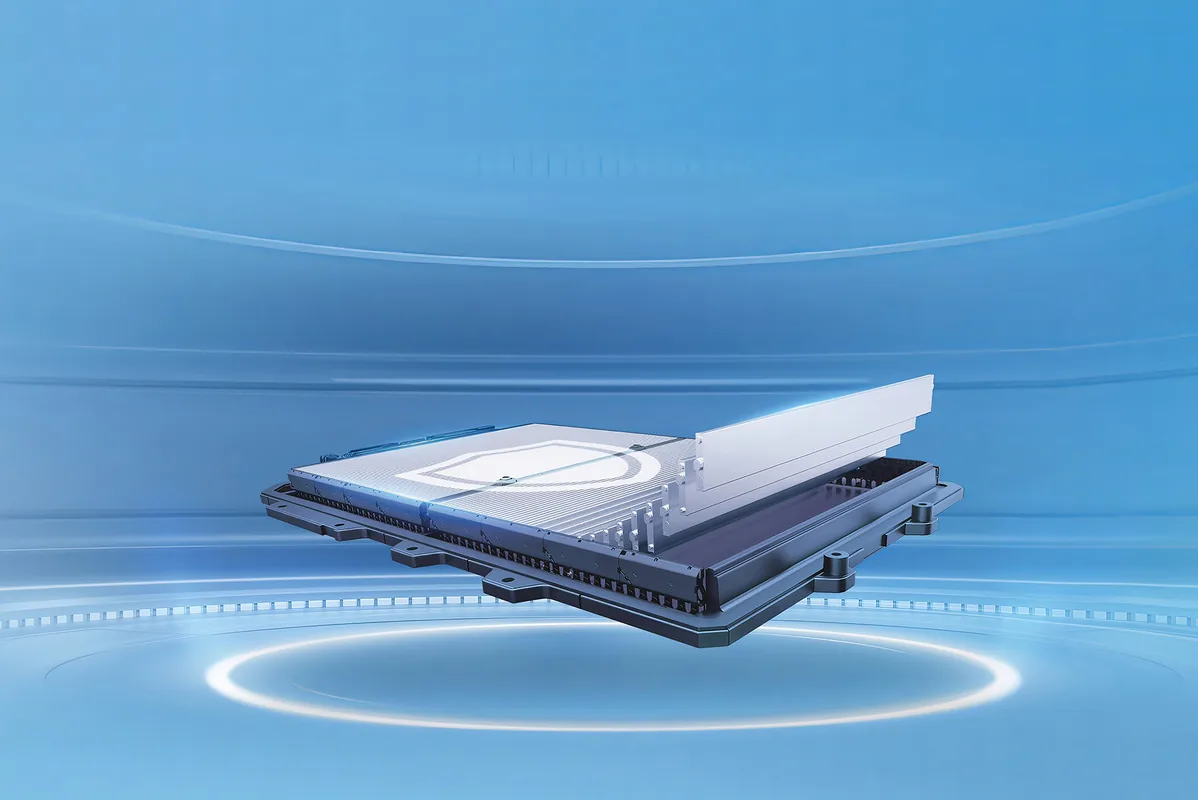
As soon as images of a fire involving electric cars appear, the verdict on social media is immediate and blunt: “It’s the batteries’ fault.” A convenient, viral refrain, perfect for fueling the polarized debate on electric mobility.
Read more F1 Fever: South Korea wants to host a GP again in 2028
Yet, in the case of the fire that affected a multi-storey parking lot at the BYD plant in Shenzhen on April 14, 2026, the story is different. The flames did not start from a short circuit or a battery fault. Initial technical checks, confirmed by both local authorities and BYD itself, indicate that the fire started from an external construction site undergoing renovation. Ongoing work on the facade or adjacent structures: ideal conditions for an accident, as has happened before in other famous contexts, from Notre-Dame onwards. Only later did the flames reach the cars stored in the garage.
Technology prevented disaster
Moreover, it was an area intended exclusively for test and end-of-life vehicles, not models destined for customers. No deaths, no injuries. The fire was quickly extinguished and production at the plant did not suffer significant interruptions.
And here comes the chapter that overturns the most obvious narrative. The cars involved were equipped with BYD’s Blade Battery, lithium iron phosphate (LFP) technology developed over nearly thirty years of research and recognized as one of the safest in the world for electric and hybrid vehicles. These batteries have passed, among others, one of the industry’s most extreme tests: the Nail Penetration Test, which is direct puncturing with a nail simulating a severe accident. Result? No flames, no smoke, surface temperature contained between 30 and 60 degrees.
Fire resistance
Not only that: the Blade Batteries withstood crushing, bending, exposure to 300-degree ovens, and overloads up to 260% without turning into explosive devices. In the Shenzhen fire, therefore, the explosions and visible flames in the videos were not the cause, but an inevitable side effect once the fire – started elsewhere – engulfed the vehicles. Yet, precisely thanks to the more stable chemistry of LFP compared to traditional nickel-manganese-cobalt (NMC) lithium-ion batteries, the fire did not reach catastrophic proportions. No violent and uncontrollable propagation, no victims.
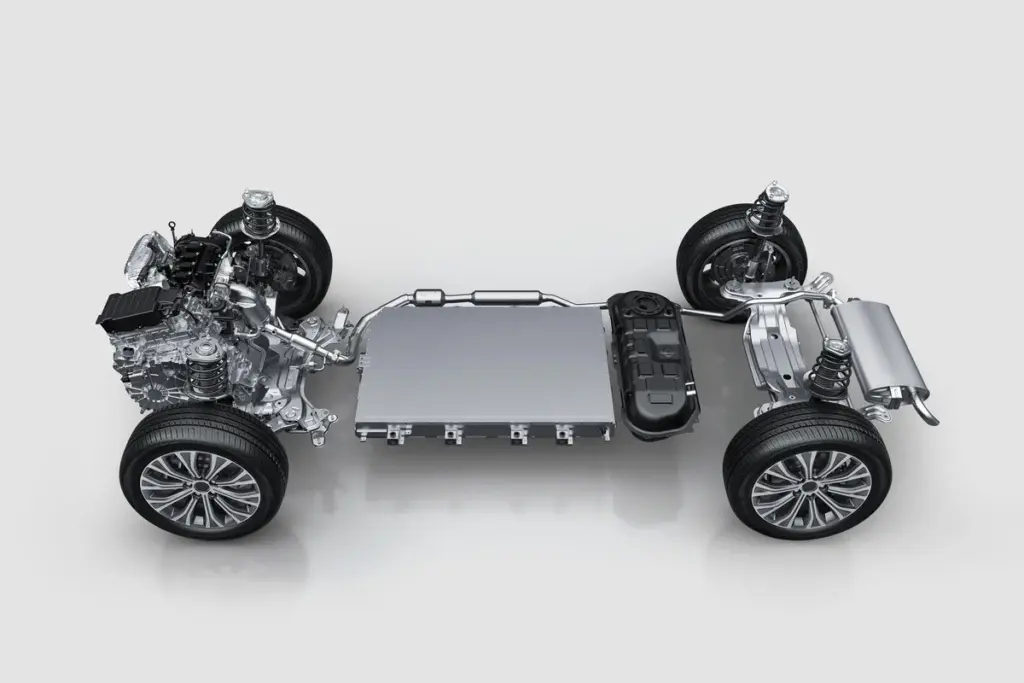
A narrowly avoided tragedy
The lingering question is uncomfortable but legitimate: if that parking lot had contained traditional combustion cars, with gasoline tanks or, worse, gas vehicles, or electric cars equipped with less stable batteries, the scenario would probably have been different. Faster fires, higher temperatures, greater risks for responders.
Instead, here the tragedy was only narrowly avoided. And this episode, although serious, offers an opportunity for a more careful debate on the real risks and benefits of electric mobility. BYD’s Blade Battery technology does not eliminate the danger of fire (no technology does), but it helps drastically reduce it under extreme conditions, also limiting harmful emissions during combustion – an aspect far from secondary in dense urban or industrial contexts.
Shock images grab attention. Simplifications on social media even more so. But when you go beyond the screen and look at the facts, a more nuanced picture emerges: an accident caused by ongoing construction work, not a technological defect. And a battery that, once again, has proven capable of containing damage rather than amplifying it.