

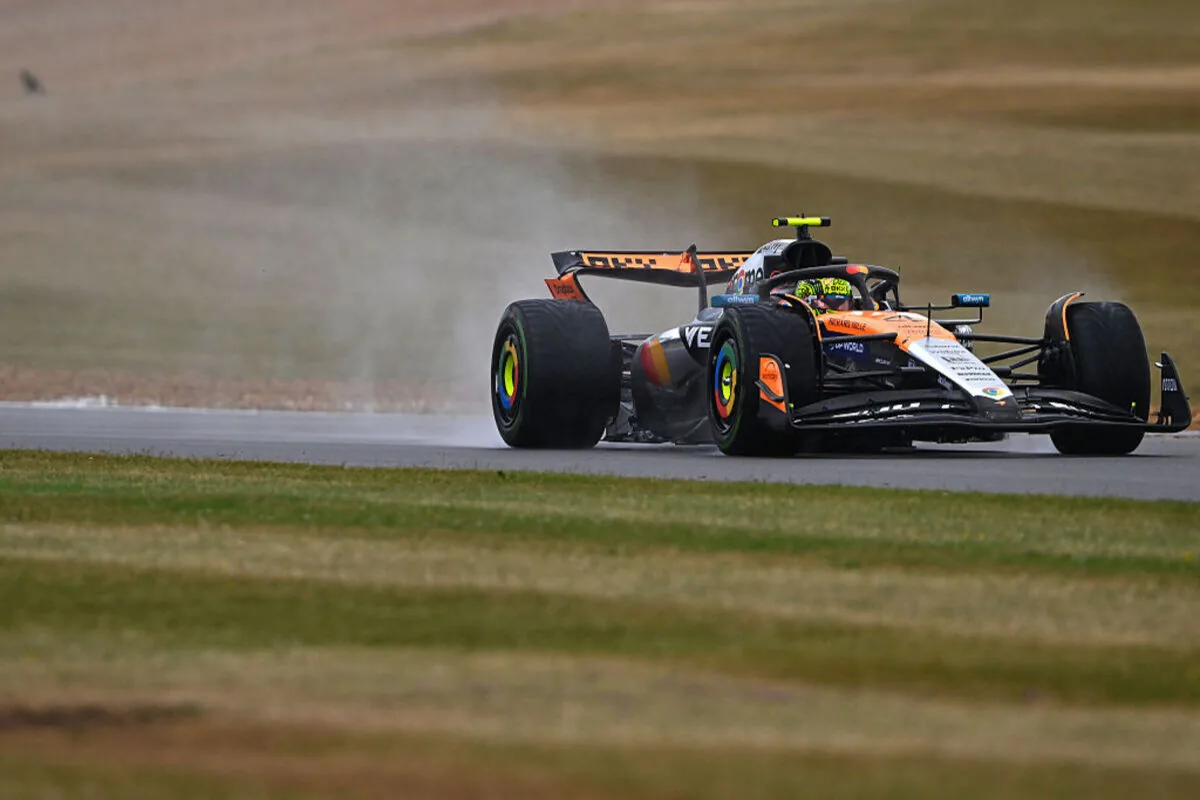
Recently, the FIA approved an amendment to the sporting regulations to allow setup changes after qualifying if the risk of rain for the race is greater than 40%. Called for for years, the abolition of parc fermé in case of bad weather has finally materialized thanks to a critical issue with the 2026 single-seaters. The new cars, in fact, rely heavily on active aerodynamics, whose partial deactivation in the wet becomes a cause for concern regarding the wear of the plank under the floor.
Read more Vasseur: “To Melbourne with focus and humility”
The problem
The sporting regulations state that, in case of a wet track or low grip, the race director can partially deactivate the active aerodynamics. In this scenario, the cars can only open the front wing, generating maximum downforce at the rear. In general, however, the new cars are not configured to sustain such a load on the straights, which is why they would constantly be crushed to the ground, wearing down the plank under the floor.
The issue had already emerged from simulations and could be one of the explanations for why the 2026 regulations doubled the allowed wear for the plank, increasing from 1 to 2 mm. To date, the setup parameters that can be modified in the event of a rain risk are contained in a document known only to the teams, but it is reasonable to think that this allows them to take the necessary countermeasures. The reopening of parc fermé, moreover, is not the only precaution designed to prevent plank wear problems in the wet.
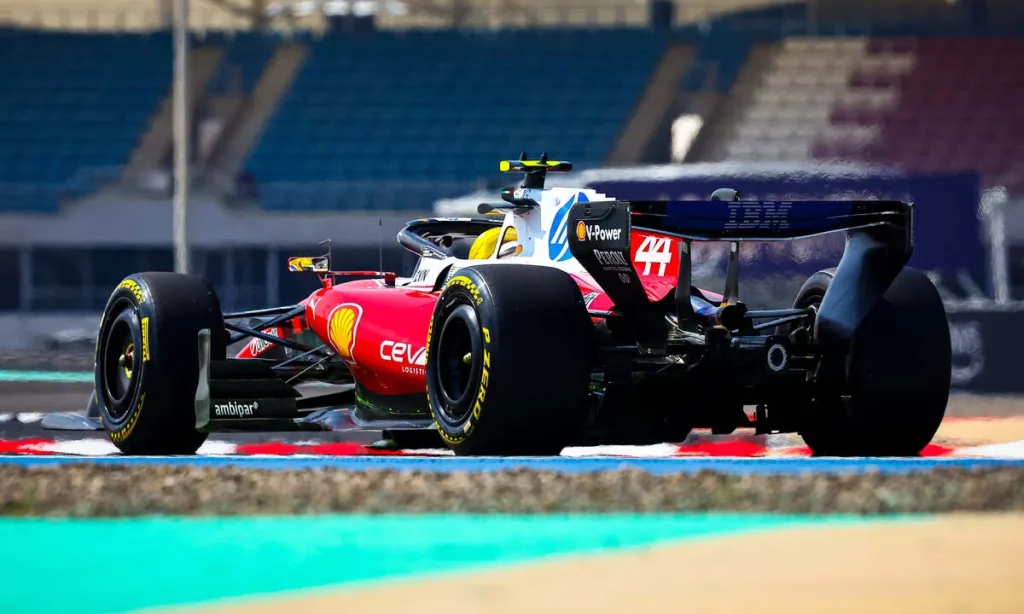
Pirelli’s work
During an interview given to FormulaPassion last August, Mario Isola, at the time director of Pirelli Motorsport, was already talking about the issue: “Recently, the issue of ride height was addressed. The cars were designed with this straight-line mode, so on the straight they travel with little downforce and rise from the ground, whereas, if the system is closed, they are crushed to the ground, risking touching the asphalt”. As revealed by Isola, Pirelli has developed the new wet range in such a way as to give more vertical support, countering the push of the extra downforce released with closed wings in the rain: “Working together with them, we have modified the intermediate and extreme wet tires, stiffening them so that even in the maximum downforce configuration the tire deforms a little less, trying to recover something that helps the car not to lower too much”.