

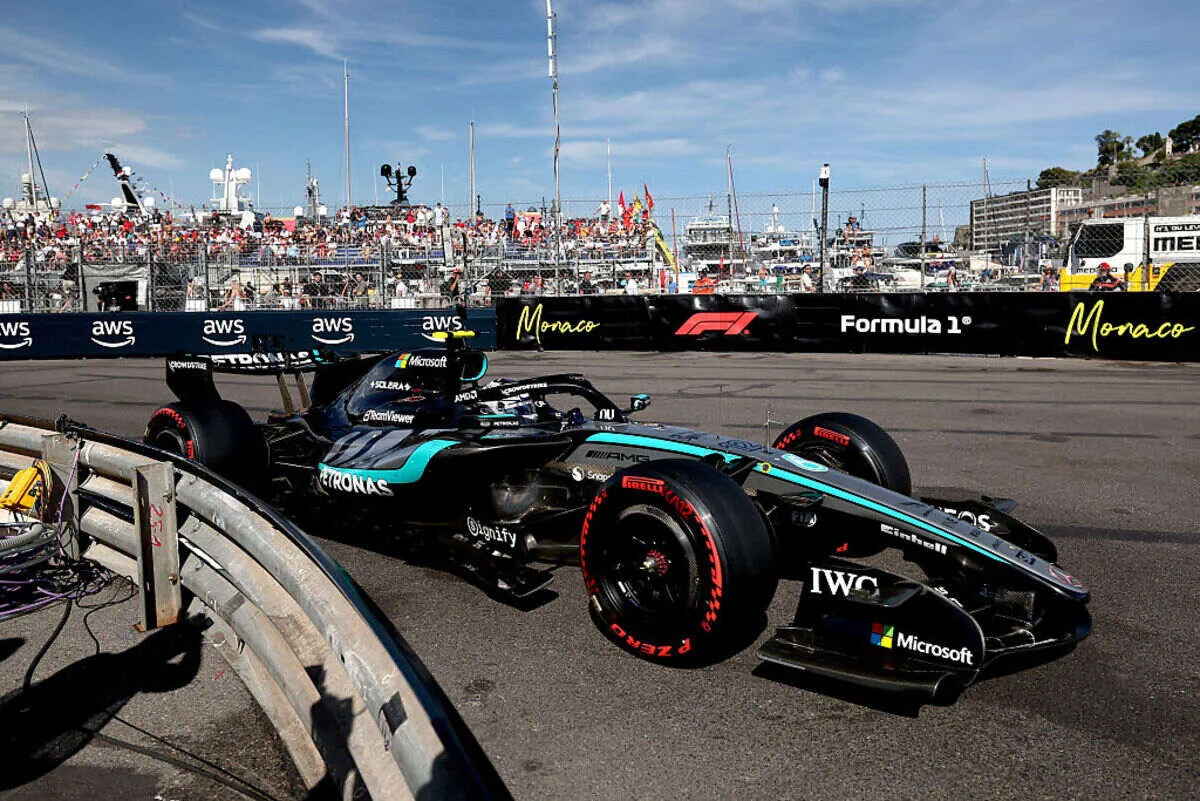
Starting from pole position in Monaco is crucial, but it’s not a guarantee of victory. Although overtaking remains difficult in the Principality even with the new generation of cars, in the race it will be important to have enough pace to contend for position in the laps before and after the pit stop. Much will depend on the ability to manage the tires in the first part, as Simone Berra, Pirelli’s Chief Engineer, explains to FormulaPassion.
Read more Ferrari, Vasseur present on track for the Monaco GP
Watch out for the overcut
In recent years, Monte Carlo has often rewarded those who postponed their stop compared to their opponents, a dynamic that will be even more evident with the new cars. Berra explains: “Considering how consistent the tires are this year, the [indicated] strategy is the overcut, rather than the undercut. I believe that in the initial phase of the race there may be a lot of management and then, as soon as the usual pit stop waltz begins, the teams will start to react. If someone has maintained a bit of a margin with their pace, they can try to push and attempt the overcut.”
Anticipating the stop, on the other hand, could be counterproductive due to the difficulties in warming up the tires: “I see the undercut as less effective, also given what has been seen in recent days in terms of tire warm-up. With a low-energy track and such hard compounds, it’s difficult, it takes two or three laps to extract peak grip and you can’t push flat out from the first corner.”
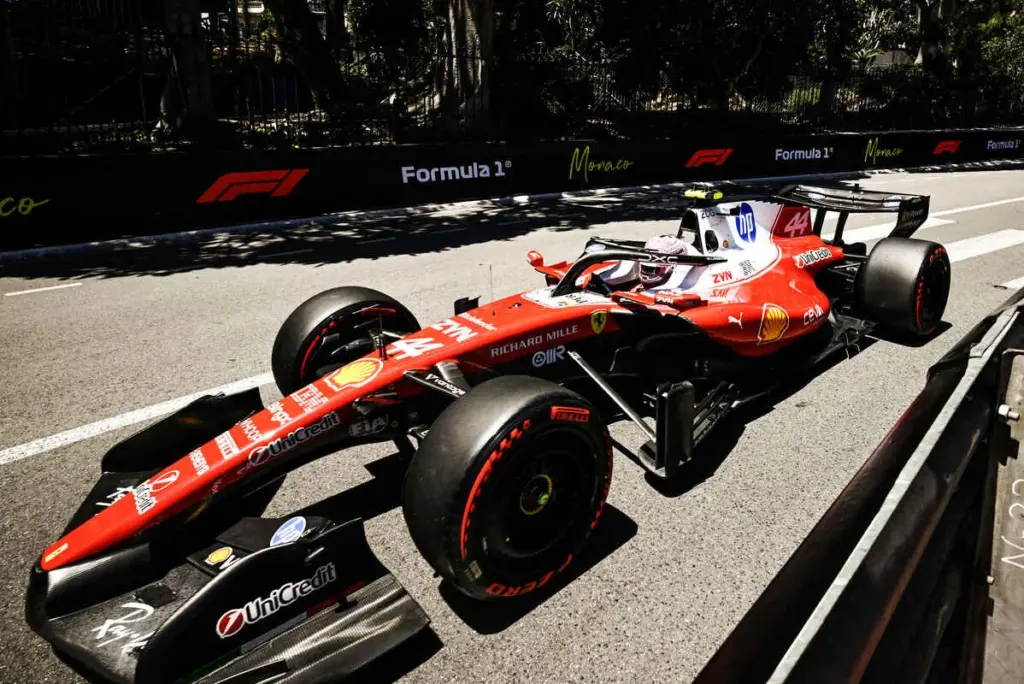
The variables
All strategic considerations would be nullified in the event of a Safety Car or Virtual Safety Car. Under neutralization, the time lost in the pits is halved compared to the 23 seconds normally accumulated during a green flag. “It can be advantageous”, confirms Berra. “Teams could try to use the Virtual Safety Car to make a stop and gain 10-12 seconds”.
Read more Audi Nuvolari: and what if in the future it was also a roadster?
Teams might also decide to pit in case of a Safety Car in the very first laps, as there is no particular concern about tire life: “We have seen particularly low wear during these days. Very few race pace simulations have been done, because the teams have focused heavily on qualifying preparation to start as far forward as possible. Certainly the medium and hard compounds are capable of doing the entire race without any problems, while I believe the soft can cover 70-80% of the total distance, so you can go particularly long.”
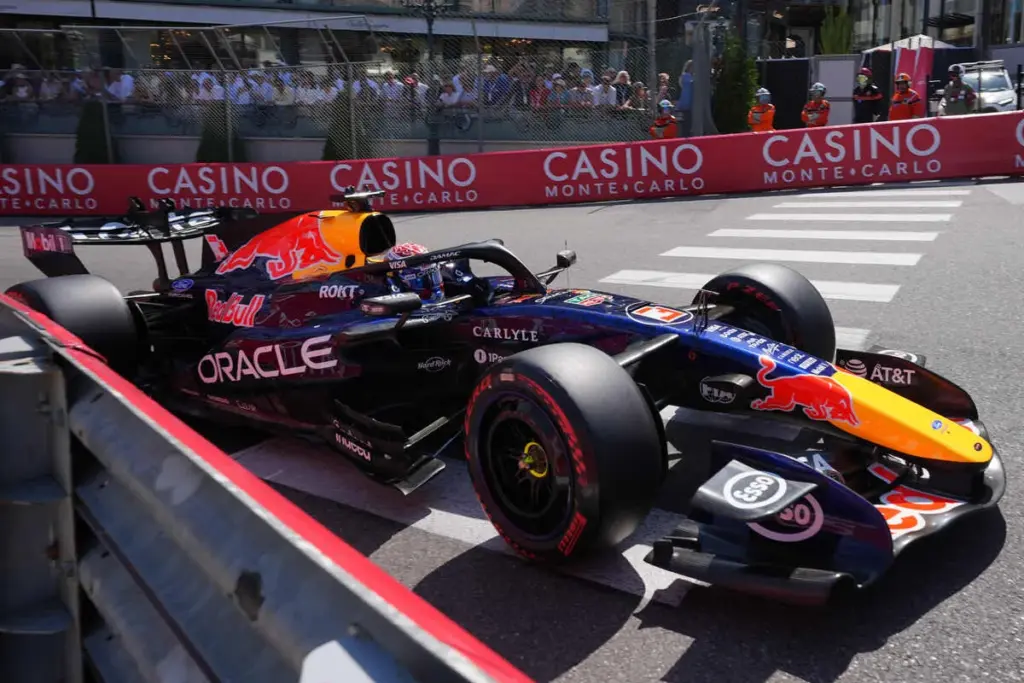
Soft tire for the start
Another crucial moment of the race will be the lights out, for which Pirelli has no doubts about the most suitable compound: “Considering that the race will be a one-stop, unless there are particular situations, all compound combinations are very close in terms of total race time. We think that using the soft at the start can be an advantage, because it is very consistent, warms up better, and offers more grip to try and overtake at least one car before turn 1.”
“At the moment, the soft seems to be the best compromise at the start. The medium and hard compounds struggle a bit more, but for the second part of the race they are very close. Teams might prefer the medium, because it gives a bit more grip and conveys more confidence, which in Monaco is fundamental for reaching the limit and getting close to the walls,” concludes Berra.
Read more The electric motor is the future: says Minister Pichetto