


Che Hamilton in Canada
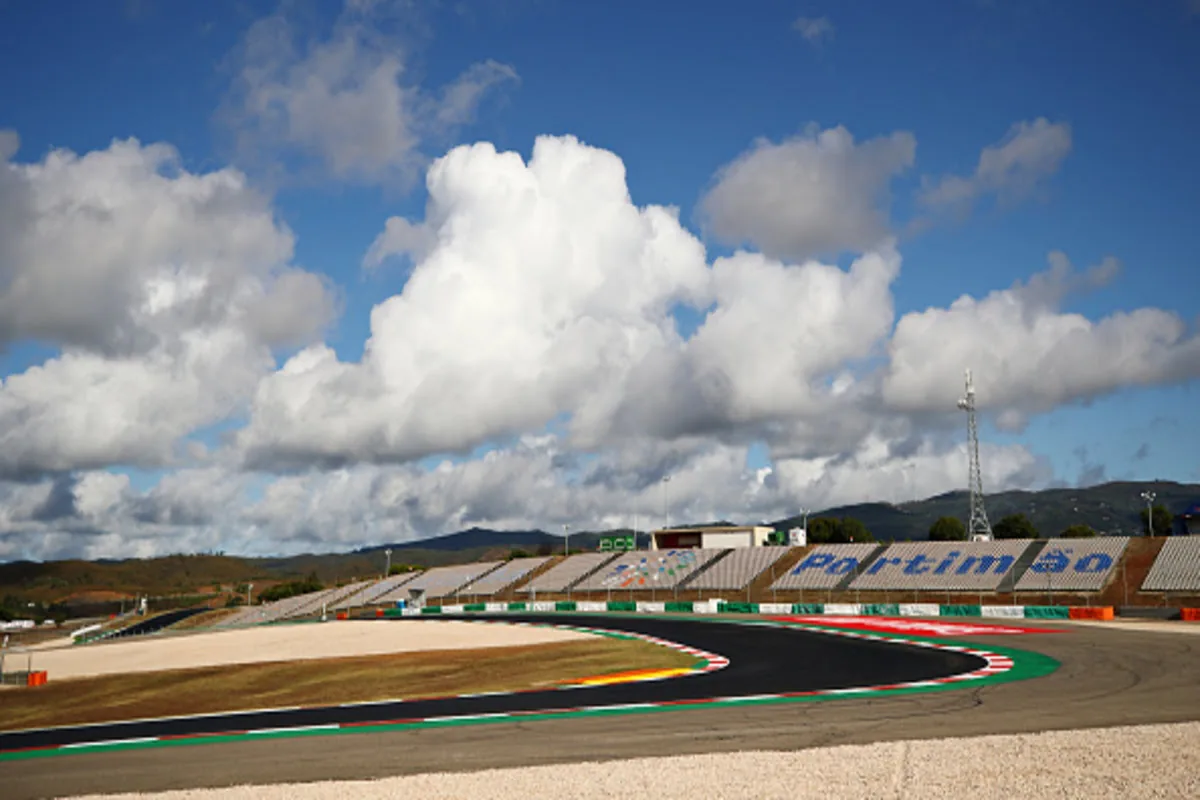
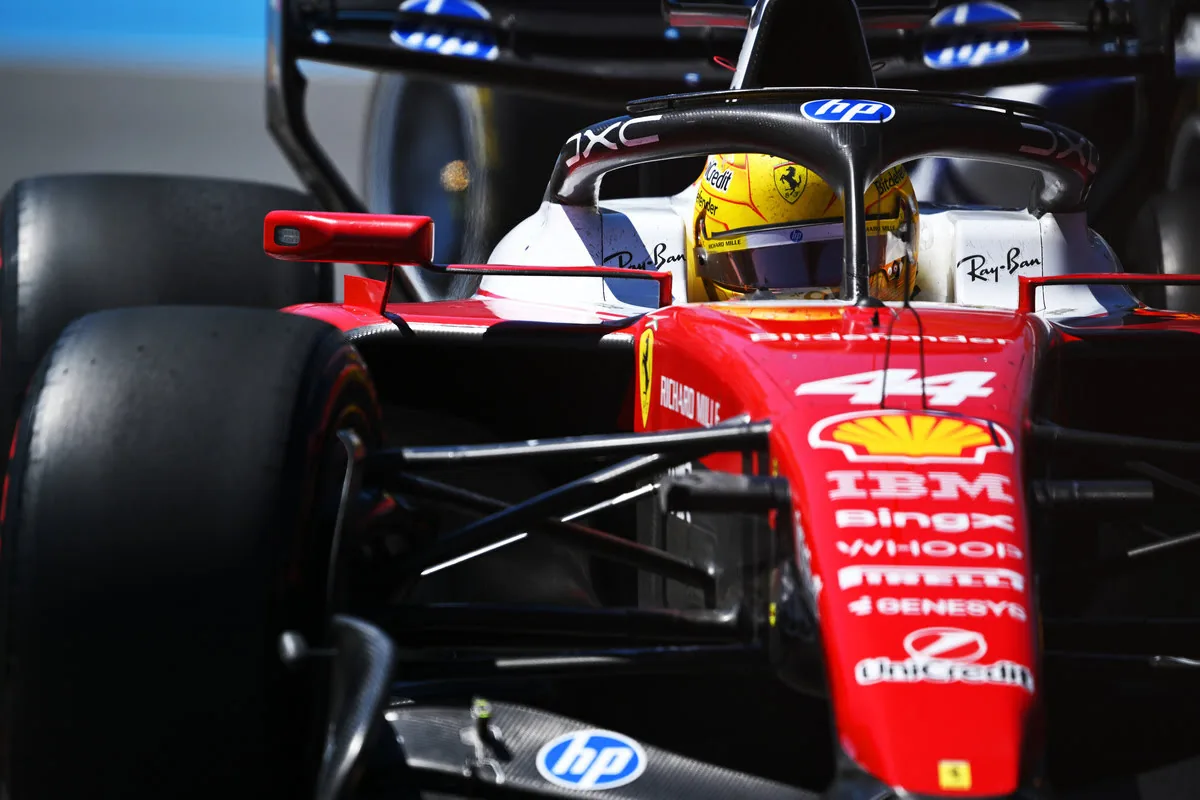
The Canadian Grand Prix certainly left a trail of interesting topics behind, some immediate, others at first glance less trivial to understand. One of these is what happened at Ferrari, with a particularly evident performance gap between the two drivers. On the circuit named after Gilles Villeneuve, we saw a splendidly fast Lewis Hamilton in all sessions, also capable of coming back, overtaking, and holding firm against a certain Max Verstappen, to take his best race position with the red car.
Read more BYD DOLPHIN G DM-i, at the forefront of the B segment
Leclerc in huge difficulty
Seeing Hamilton so fast is already something that had unfortunately become rare, but the matter becomes even more curious if we consider that his teammate was not only slower, which can happen, but was in huge difficulty. It is Charles Leclerc himself who talks about his worst weekend in his career. The Monegasque recounted driving the last laps of the race taking it easy to avoid crashing. Via radio in qualifying, just before Q3, he said that the feeling with the car was so poor that he would either confirm eighth place or end up in the wall.
Fortunately for him, he classified exactly eighth, staying at a proper distance from the nearby walls of Montreal. But how can such a difference in feeling between two drivers of the same car be explained? That there is a difference is normal, but that one feels fully confident while the other cannot keep the car on track is at least curious. Trying to analyze more deeply, we identified some of the factors that played a role.
The track: preferred by Hamilton, hated by Leclerc
The first thought can simply be a particular preference (or aversion) for the Canadian track. This can be a factor, although hardly enough to justify the difference in feeling seen over the weekend. However, there is a psychological aspect that must be kept in mind and that emerged from Vasseur’s words to Sky after the race. Ferrari’s TP indeed said that already arriving in Canada Leclerc had insecurities because on the Montreal track he had never really found good performances.
Added to this is that Ferrari itself thought it would not be particularly competitive. A small psychological “bug” that may have crept into Leclerc’s mind, taking away some serenity in the search for the best setup and performance. A sort of self-fulfilling prophecy, as it is called in psychology, to which, from our point of view, some more direct technical reasons must be added.
Fundamental tire window
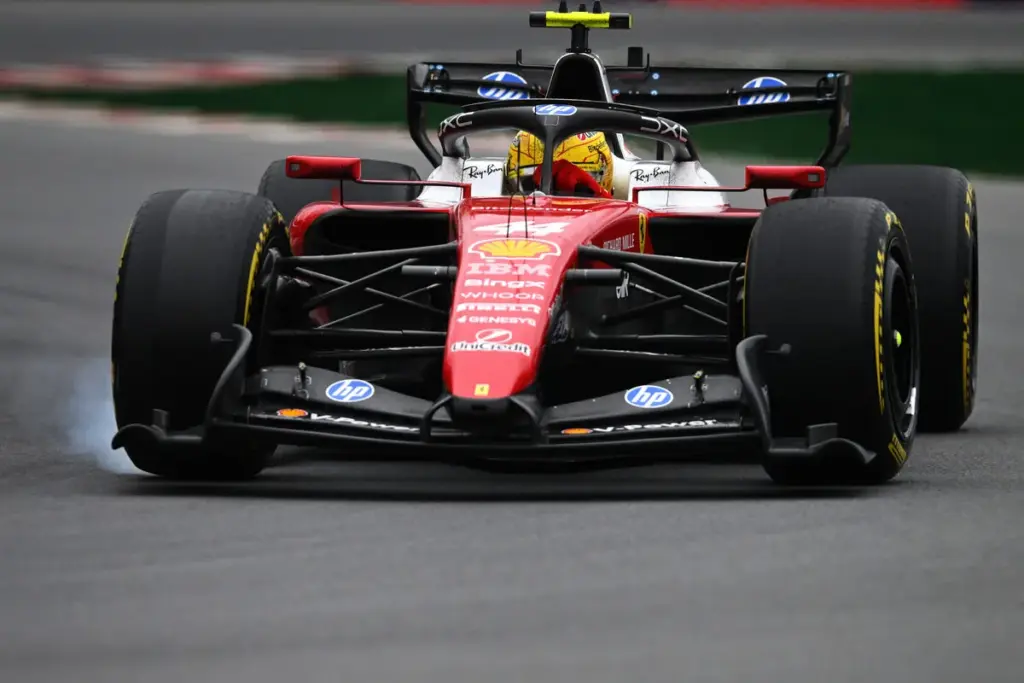
It must be prefaced that Canada was the first weekend where the tire temperature window was again talked about predominantly as a differentiating factor between the performances of the various cars (and between the various drivers). The track with its strong “stop&go” characteristic has in fact almost eliminated the problems related to energy management. This allowed drivers to recover practically all that was recoverable from the numerous and intense braking zones.
The track layout also features an almost total absence of high-speed corners and a particularly worn and therefore smooth asphalt, making it incredibly difficult to give energy to the tires in corners to bring them up to temperature. All this combined with an ambient temperature that from Friday onwards kept dropping to about 10-12 degrees during the Grand Prix. A deadly combination of factors that made the tire usage window extremely difficult to hit at first and then to maintain, but at the same time a crucial factor for performance itself.
Heat management through the brakes
To cope with these complicated conditions, one of the resources teams most rely on is the heat generated by the brakes. If properly redirected and reused, in fact, the very high temperature air coming out of the discs can be channeled into the wheel and used to compensate for the general lack of heat. A common trick, which Ferrari had tried to push to very advanced levels in past seasons but causing big problems precisely to the brakes. Just think of the nightmare race in Singapore last season with Hamilton even unable to brake in the last laps.
Read more Lotus Emira 420 Sport, the most powerful and lightest
The approach on the SF26 seemed decidedly less extreme, and all the work seems to have shifted to a territory much more congenial to Hamilton. The Englishman is very accustomed to the particular use of brake balance and other tricks for heat redirection, just recall the famous “Brake Magic” button used on his Mercedes during reconnaissance laps (which cost him the 2021 world championship in Baku).
Technique indigestible for Leclerc
On the other hand, Leclerc never seemed particularly comfortable with this technique, and it does not seem a coincidence that starting from the Sprint qualifying the main problem the Monegasque faced during the Canadian weekend was precisely with the brakes. Certainly, it could be a coincidence, but the impression is that something in the reuse of brake heat was not working properly. Or at least, in a way that Leclerc could manage best both in the first two days with higher temperatures and then in the race with an always unstable tire temperature condition. That Hamilton performed better with lower temperatures we had already seen in China, and this does not seem at all a coincidence.
Rear mechanics and driving style
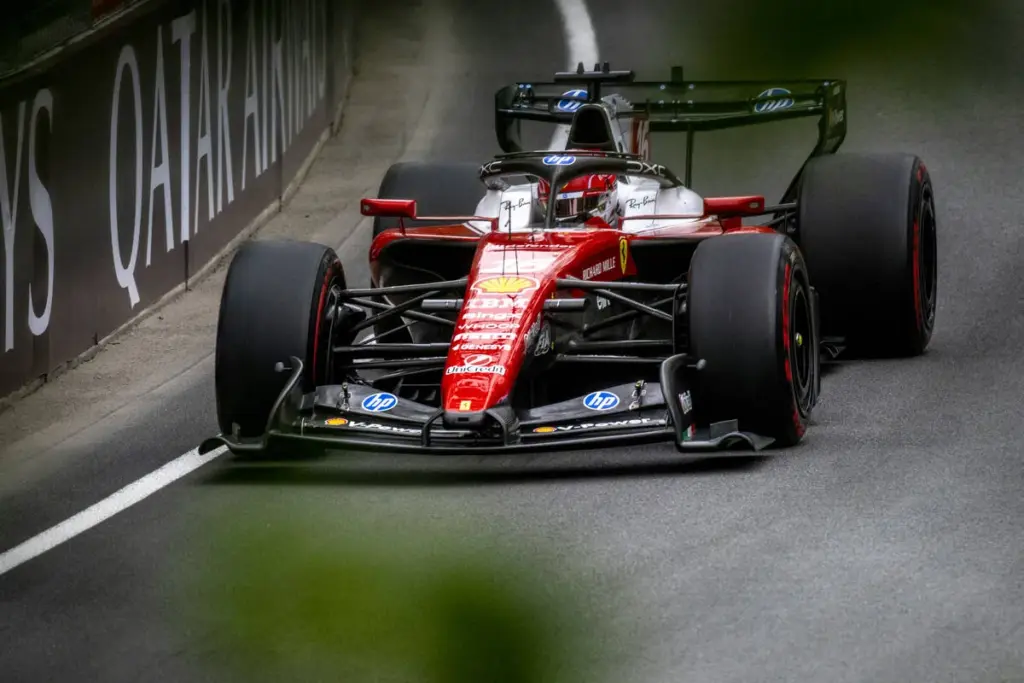
The other aspect that seemed different between the two Ferrari drivers is the management of the rear of the car, and in particular the mechanical setup. The Montreal track with its high curbs and the need for “explosive” traction requires a certain softness at the rear. The rear tends to be particularly “planted” on the ground, with a tendency more to understeer than oversteer.
Here comes into play the different driving style between Hamilton and Leclerc with the Monegasque much more comfortable when managing a loose rear compared to Hamilton who prefers it precisely planted on the ground. The impression is that from this point of view the seven-time world champion immediately found the key to tame the car, having margin to remain in a setup zone still very congenial to him.
Leclerc’s mistake
On the other hand, after having to fight with the brakes, Leclerc seemed to try to shift the setup point of his car with a rear proportionally less strong than Hamilton’s but with a car response that ended up slipping out of his control. The huge snap at the end of the race was a clear symptom of how the rear tires were constantly out of the window. The tires responded particularly badly in the traction phase. Leclerc, on a track full of braking and traction, found himself having huge difficulties in both phases, ending up with such a low level of confidence that he spoke of his worst weekend in Formula 1.
Hamilton solved the rear problems
It must be said, finally, that Hamilton has had good feelings with the SF26 since the start of the season but not always managing to find the best balance, especially in the race, due to a rear mechanical setup that did not allow him to have the level of grip he preferred. Between the stiffness level and some settings (such as the differential) the traction phase always remained lacking, despite good cornering feel. The trend seems to have changed at this stage, with Hamilton himself talking about important steps forward and having led the team towards better solutions, so the impression is that part of the problem that initially afflicted him has been solved.
The Ferrari derby promises to be heated
This means that we could see a much more balanced season between the two Ferrari drivers, and this is something that can definitely be good for the red team, but also for Leclerc, who finds himself alongside a much better reference compared to last season.
Read more Raikkonen: “Ferrari, from afar I see encouraging signs”