

Europe is back
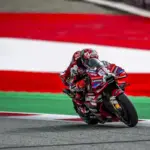
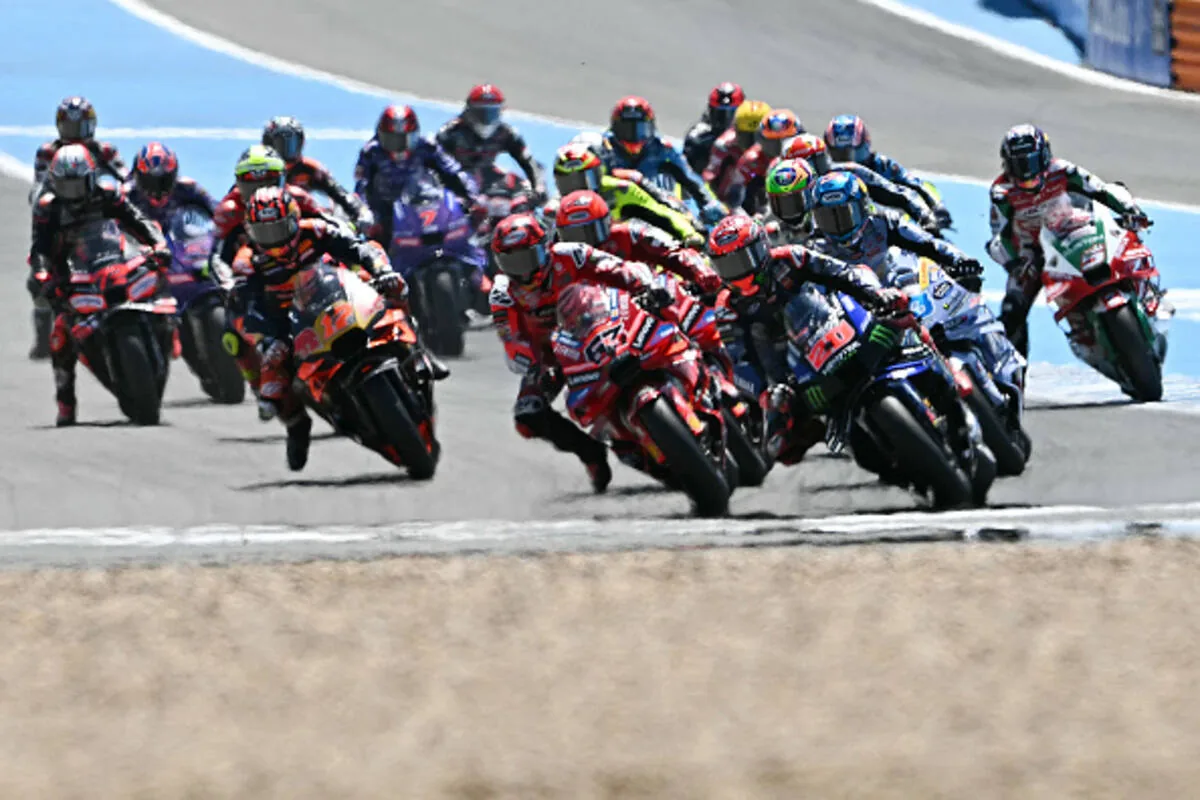
This weekend MotoGP returns to racing after almost a month-long break and will do so for the first time this year in Europe: the Spanish GP, on the historic track of Jerez de la Frontera, in fact opens the long period in the Old Continent for the Motorcycle World Championship, which will only close towards the end of September with the Austrian GP.
Read more Hyundai IONIQ 3, immediately recognizable electric hatchback
The first of the four Spanish races on the calendar presents a track that differs greatly from those faced so far and that will severely test the MotoGP brakes, also considering the high temperatures expected in the Andalusian city during the weekend. On Sunday in particular, temperatures should approach 30°C.
Tough braking
According to the information provided to us by the engineers Brembo, who work closely with all MotoGP teams, the circuit named after Angel Nieto falls into the category of tracks considered highly demanding for the brakes. On a scale of 1 to 6, it earned a difficulty index of 4 thanks to the 11 braking sections per lap for a total of 33 and a half seconds, equal to 35% of the length of Sunday’s race. Three braking sections are in the High category, four are considered Medium, and as many are Light. Decelerations vary from 0.5 to 1.5 g depending on the corners.
Read more Di Giannantonio: “The goal is to continue having the same feelings as at the start of the season”
The toughest corner on the track for the braking system is turn 6, named after Dani Pedrosa. In this section, MotoGP bikes go from 295 km/h to 69 km/h thanks to a 5.4-second braking, one of the ten longest in the World Championship in terms of time. Riders exert a load of 6 kg on the Brembo brake lever, undergoing a deceleration of 1.5 g while covering 254 meters, and the braking system pressure reaches 12.9 bar. A considerable stress that could represent a crucial turning point during the race.
Read more Mick Doohan: “Marc Marquez is on another level compared to the others”