





2026 has already presented several technical controversies, as was to be expected with what has been defined as the biggest revolution in the last thirty years. The particular exploitation of electric power in qualifying by the Mercedes and Red Bull power units, first reported by The Race and now banned by the FIA, adds to the case of the compression ratio. All this reignites the debate on the grey areas of the regulations, where the risk is treating very different situations in the same way.
Read more Toyota, a new Digital Hub is born in Poland
The three cases
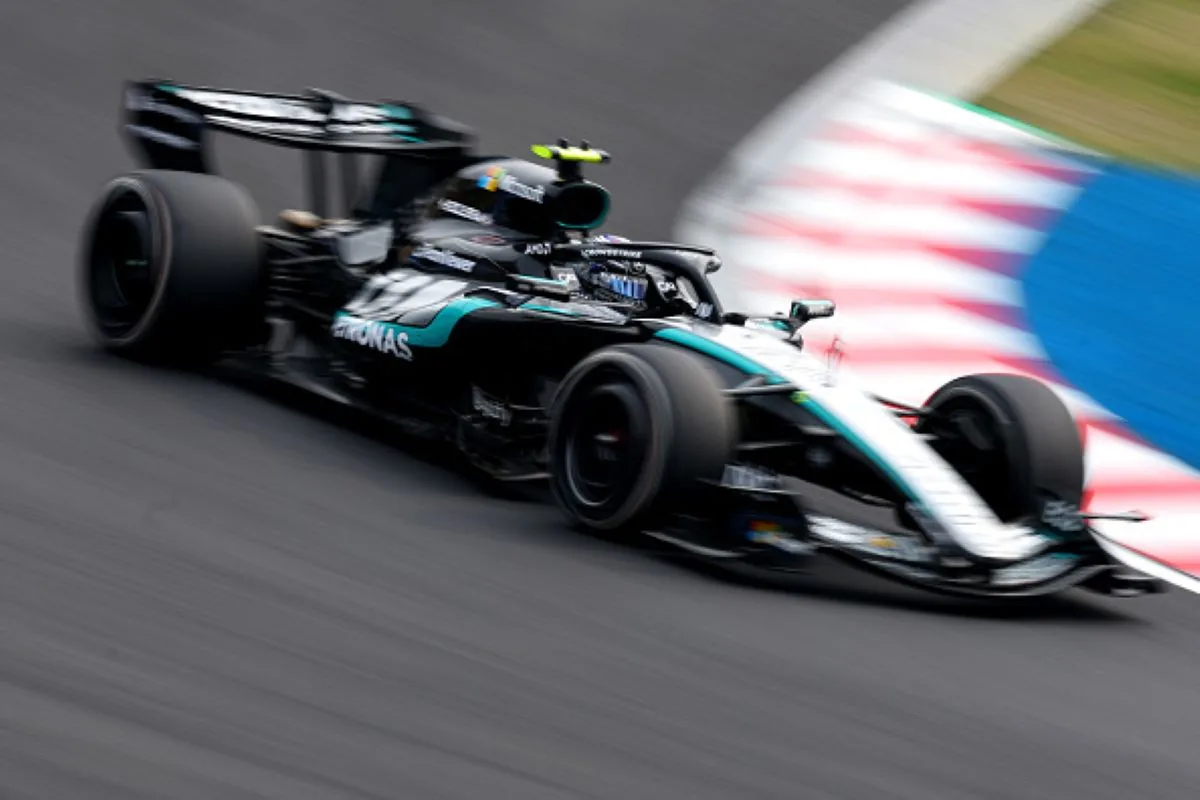
The most classic type of grey area is when a rule is subject to multiple interpretations, leading to solutions that lawmakers had not anticipated. These are scenarios where the FIA can do very little, having to recognize the legality of solutions that, technically, do not violate what is written in the regulations. A great example is Brawn’s double diffuser in 2009, as well as Mercedes’ 2020 DAS, born from a rule that did not specify that the steering wheel could not control more rotations of the front wheels. The recent crackdown on the exploitation of electric power in qualifying falls into the same category, aiming to curb a practice that complied with all required procedures but had a different purpose from the original one.
Quite different are the disputes concerning those rules that provide for the direct measurement of a parameter. In these cases, it is legitimate to talk about illegality, since a clear maximum or minimum value is established on a physical quantity, provided it can be measured in every condition. The 2019 controversy over the fuel flow meter is an example, as it involved a practice that circumvented real-time control of fuel flow by exploiting sensor limits.
The third case, however, although it may seem similar to the previous one, is distinguished by a fundamental premise. In some situations, in fact, a limit is set on a physical quantity, but it varies depending on conditions and therefore cannot be measured at all times. This is something that recurs cyclically with wing flexibility, which the FIA can only check in the pits. In these cases, the static check is what counts, accepting that the car cannot be verified while on track and therefore a limit value cannot be imposed except when the car is stationary.
The case of the compression ratio
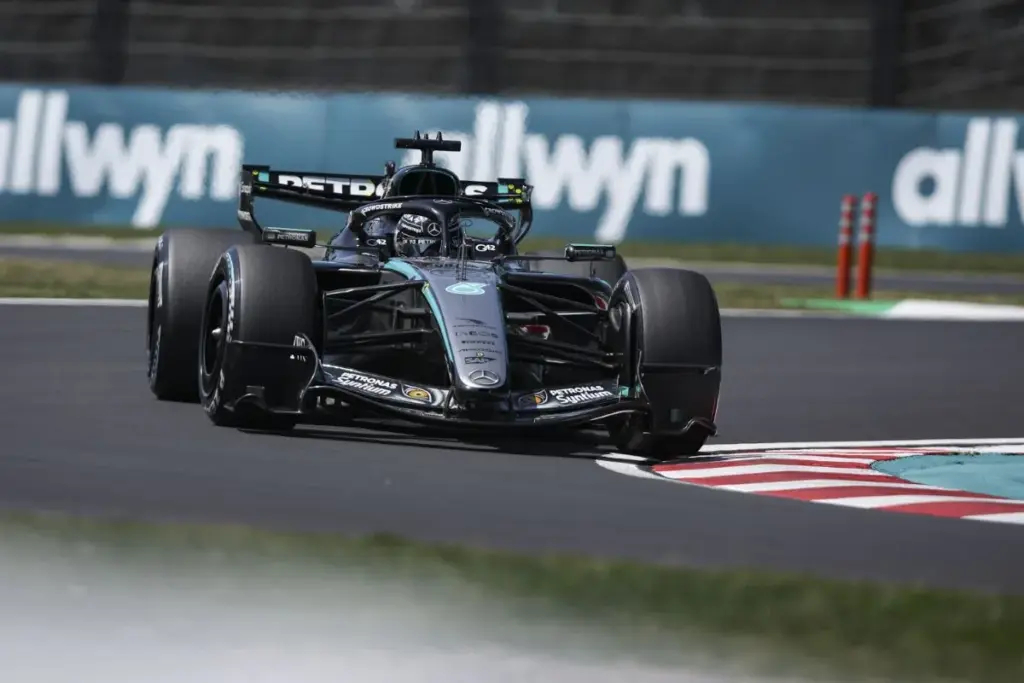
The current debate on Mercedes engines falls into this last category, as the compression ratio is difficult to measure when the power unit is running. As it is written today, the solution perfectly complies with the regulations, which require that the compression ratio be measured at ambient temperature. What is unclear, if anything, is the process that led to the current situation.
Read more Elkann: “We are working to come back stronger than before”
It was only last October, in fact, that the FIA made an addition to the regulations, specifying that the check had to be done cold. Actually, there was already a document before, still in force and not accessible to the public, that described the procedure for measuring the compression ratio, but it is not known if it also specified the reference temperature. If it did not, it would be a shortcoming on the part of the FIA, as it would be an ambiguous rule and as such subject to interpretation.
The clarification then came in October, followed by another addition in December, which established that each engine manufacturer had to prepare its own measurement procedure respecting the guidelines of the previous document, and then request approval from the FIA technical department. The episode raises the question of what is an acceptable notice period for such changes, a doubt also valid for the subsequent crackdown. In June, in fact, a second test will be introduced to be carried out at 130°C, but the competition doubts that this will have a tangible effect.
The FIA’s mission
All this happens in a year when Nikolas Tombazis had promised a zero-tolerance policy for those who exploited grey areas without first consulting the FIA. In the case of the Mercedes engine compression ratio, however, the problem is that the ambiguity did not only concern what could or could not be done, but also the control procedure by the Federation. It is proof that, no matter how much one prepares, every technical controversy is different from the previous one and this is why the FIA always finds itself forced to chase the teams.
Read more Portimão 2026, Race 2: who will stop Nicolò Bulega?