








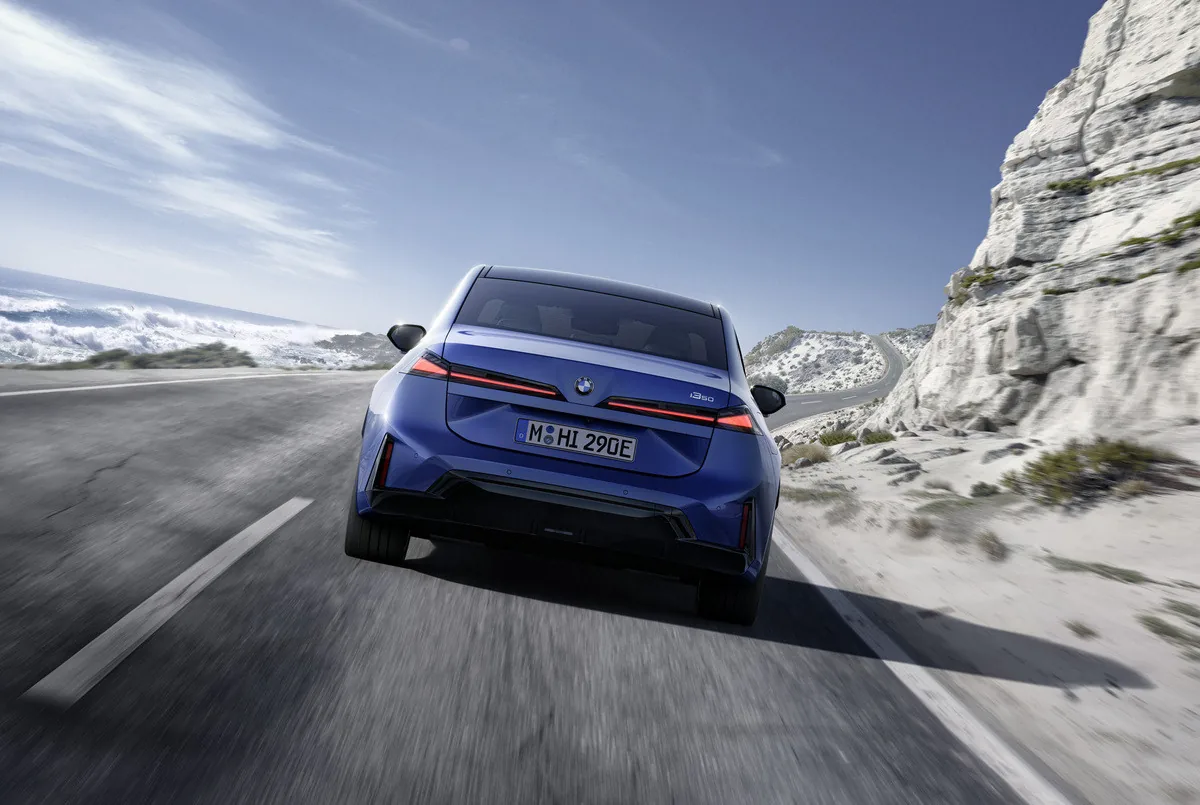
The second model of the Neue Klasse also contributes to achieving the ambitious CO2e targets that BMW has set for itself. We are talking about the i3, which exactly like the new iX3 cares for the environment throughout its entire life cycle. From product development to the supply chain, from production to the end-of-use phase: the German manufacturer ensures that every stage of the electric sedan’s creation has taken the theme of sustainability to heart.
Read more BYD Confidence: target 1,5 million sales outside China
BMW i3 thinks of the environment
Depending on the propulsion variant and annual mileage, but also on the source of electricity used for charging, BMW reports that the new i3 50xDrive already offers after one or two years of use a CO2e advantage compared to a comparable model with an internal combustion engine. In particular, the use of renewable energy, the increasing share of secondary materials and product and process innovations, for example in the Gen6 cell and the high-voltage battery, contribute to a significant reduction in emissions along the entire supply chain.
Read more GM, how production is changing in the USA
Secondary and recycled materials
A few numbers. The new i3 uses 30% recycled plastic in the front bumper trim. At the same time, the number of materials used for the entire bumper, excluding mounted parts, has been reduced from 15 to 7 compared to the previous model, namely the seventh-generation 3 Series. And that’s not all: thanks to the use of a plastic particularly suitable for recycling, the share of recyclable material has in fact increased from about 46% to about 85%, allowing the recovery of high-quality recycled plastic materials. Overall, the new BMW i3 is composed of about 30% secondary materials.