





Another yellow flag case
Exactly three weeks after the Q3 of the Austrian GP in which the ‘yellow flag case’ exploded due to the display of only one flag after Max Verstappen’s accident at the last corner – a highly contested decision that allowed George Russell to outsmart everyone in his last fast lap and thus secure pole position – we are again discussing a yellow flag displayed by the marshals at the end of a qualifying session.
Read more Hamilton: “I didn’t see the yellow flag. We had a brake problem”
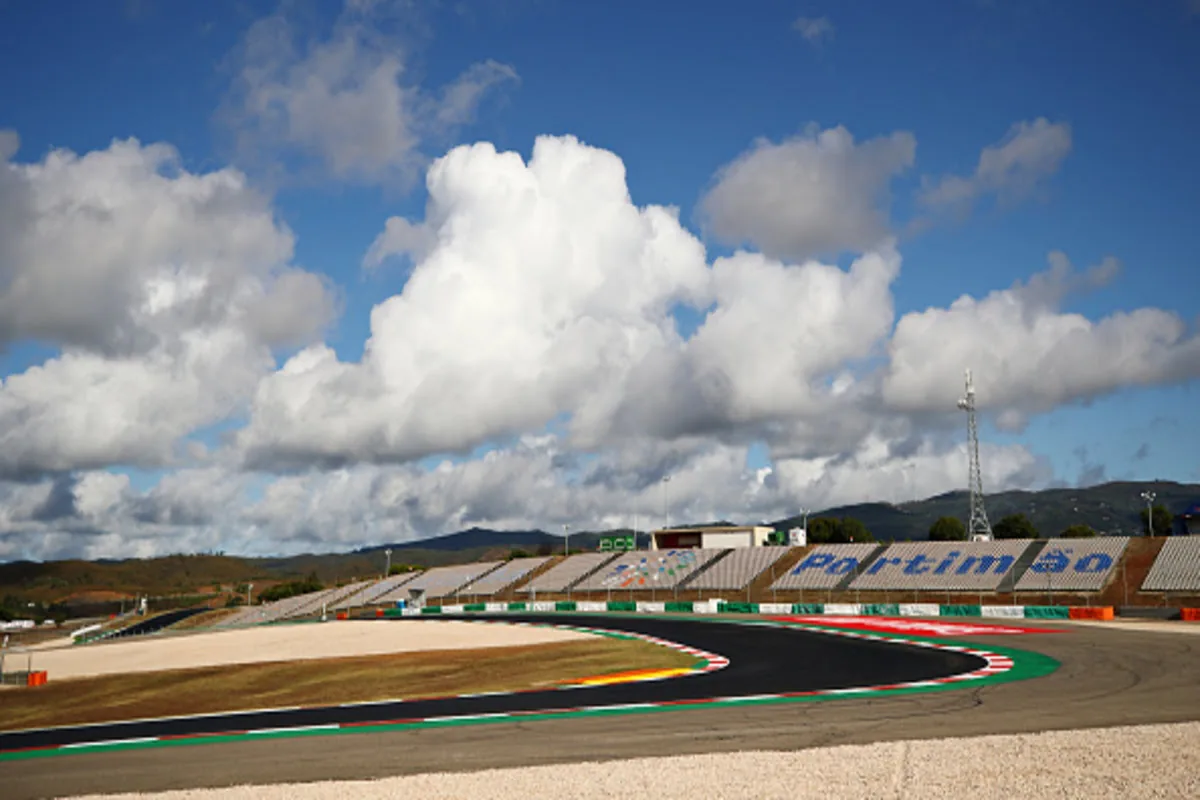
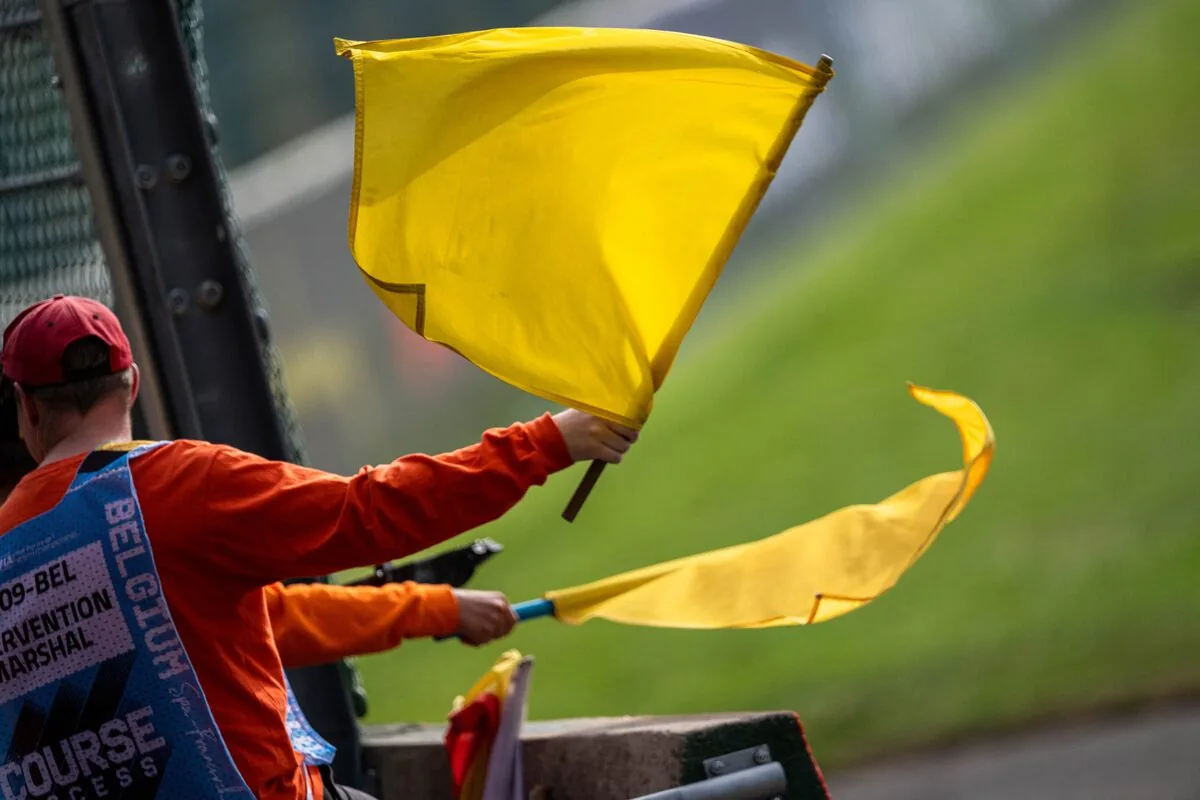
This time, in the final phase of Q3 at Spa, a track marshal waved a yellow flag inside the pit lane to signal the presence of Isack Hadjar’s car, which had already returned to the pit lane after giving a slipstream to Max Verstappen and had parked his RB22 in parc fermé, which for purely space reasons at Spa is particularly tight.
The position of the marshal, however, made some drivers – Charles Leclerc in particular – think that the yellow flag referred to the last sector of the track and that it was therefore necessary to slow down.
The guidelines had ‘predicted’ everything
This time, however, the marshal and generally the FIA seem completely blameless because this type of situation, with a yellow flag waved at the entrance of the pit lane to signal the presence of a stopped car, was very clearly indicated in the notes issued by the Race Director at the start of the race weekend.
The case that occurred is exactly the ‘textbook’ one: guideline note 15.4 reads literally “If a yellow flag is displayed on the left-hand side (LHS) of the pit lane access road, this constitutes a warning of an incident on the pit lane access road. This flag is not intended for drivers remaining on track“.
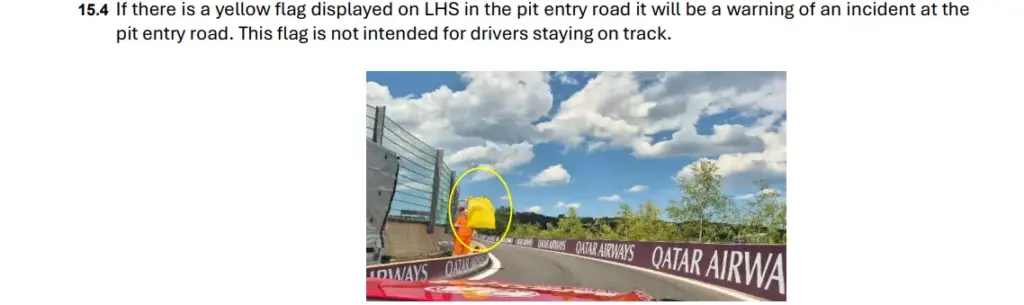
Leclerc therefore should have known that a yellow flag in that specific spot, although visible also from the track, was in no way ‘addressed’ to him. In this case, unlike what happened in Austria, it is difficult to find any kind of responsibility except from those who lifted the throttle at a point where they could legitimately have continued pushing.