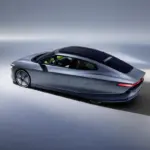







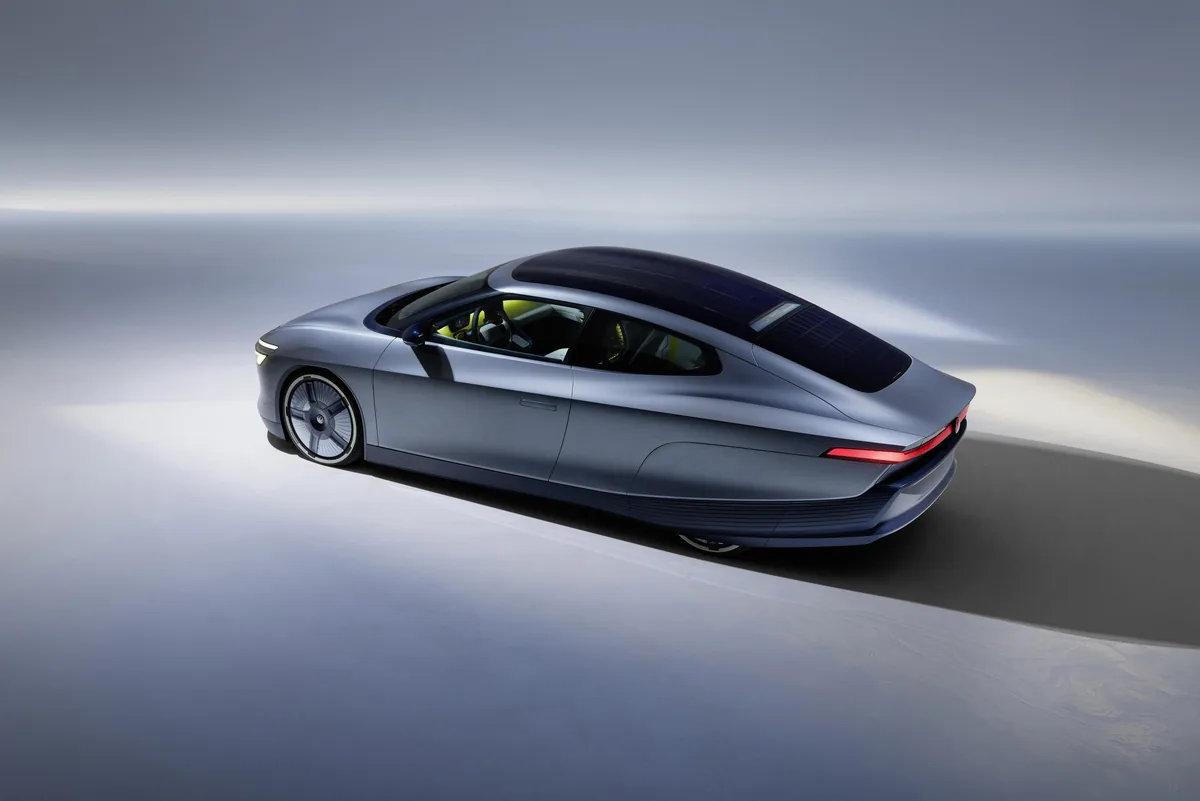
With the Mission Efficiency, Volkswagen presents what is described as the most efficient production (or almost) electric car in the world. And it does so by delivering a result that balances performance and consumption. The model has achieved three world records in official tests, confirming how extreme attention to aerodynamics, combined with propulsion designed to optimize energy, can directly impact range and driving capability. In other words, efficiency is not just a laboratory goal: it becomes a measurable element even in realistic driving conditions.
Read more Madrid 2026, the other podium
Volkswagen presents the most efficient EV in the world
The first milestone concerns aerodynamics, with a drag coefficient of 0.158, a record for vehicles approved for road use. Following that, the numbers on consumption: during a trip at a constant speed of about 68 km/h, with no uphill slopes and auxiliary devices like air conditioning turned off, the Mission Efficiency records an extremely low average consumption, indicated at 6.48 kWh/100 km. According to the German manufacturer, this demonstrates how reducing resistance to advancement is decisive in limiting losses and maintaining efficiency over long distances.
Between aerodynamics and consumption
Supporting these results is a combination of cutting-edge technical solutions. The solar roof contributes to the onboard electrical system, while patented deflectors on the wheels help optimize airflow by reducing turbulence and unnecessary resistance. The Mission Efficiency thus becomes a technological showcase: not only “pure” aerodynamics but also intelligent integration of components to transfer more energy to driving and less to inefficiency.
Read more TUTTO BENE Hillclimb, third edition sold out culturally on Mottarone
Large-scale production
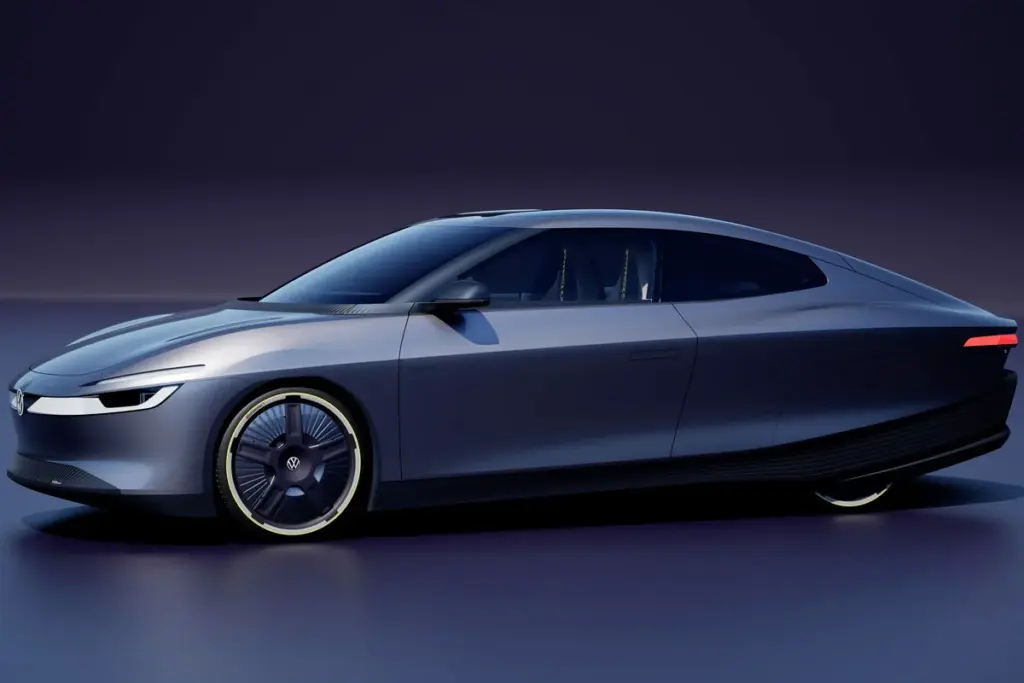
Finally, the breakthrough concerns large-scale production: the Mission Efficiency is based on the MEB+ platform with front-wheel drive, the same technological logic on which models like the ID. Polo and the ID. Cross are built. In route tests, which consisted of a 1,278.36 km journey from Wolfsburg to Vienna passing through Poznań and Olomouc, the real consumption is 7.51 kWh/100 km, including charging losses (while the net value is indicated as 6.89 kWh/100 km).
Click here to add Formula Passion as a preferred source on Google Discover: you will find our content more easily!