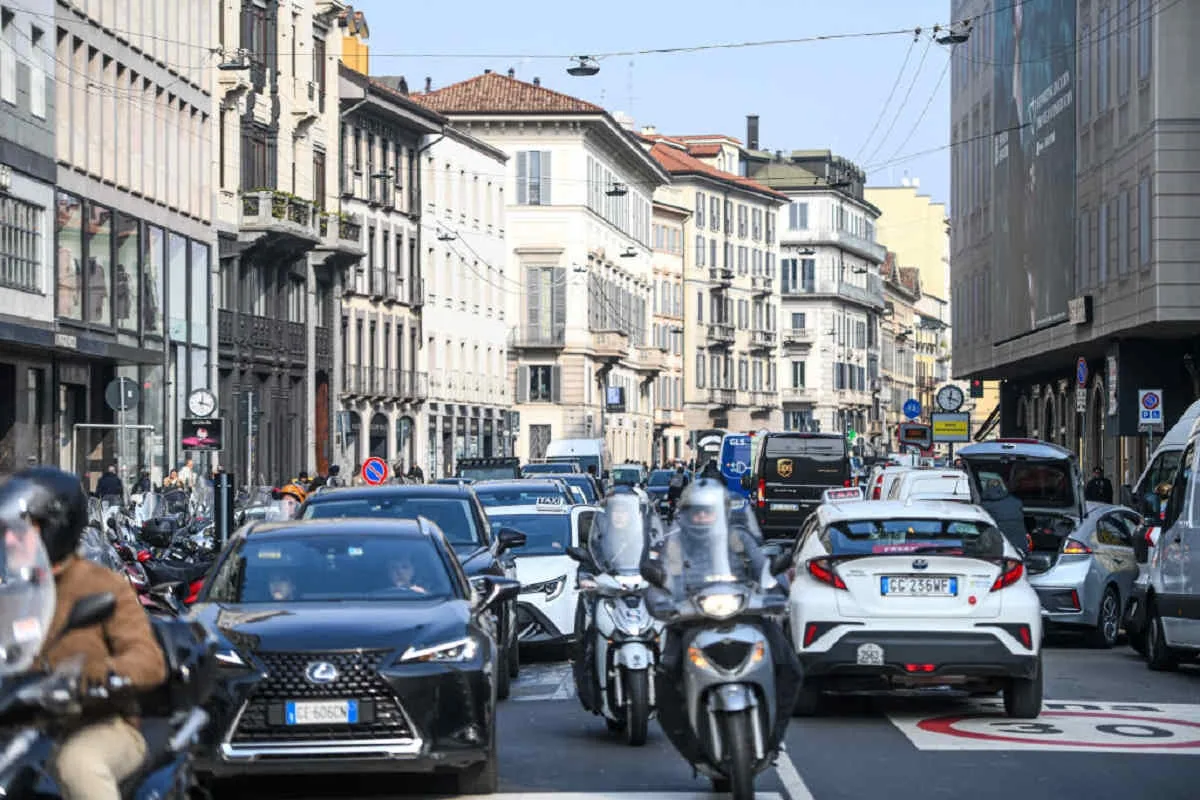



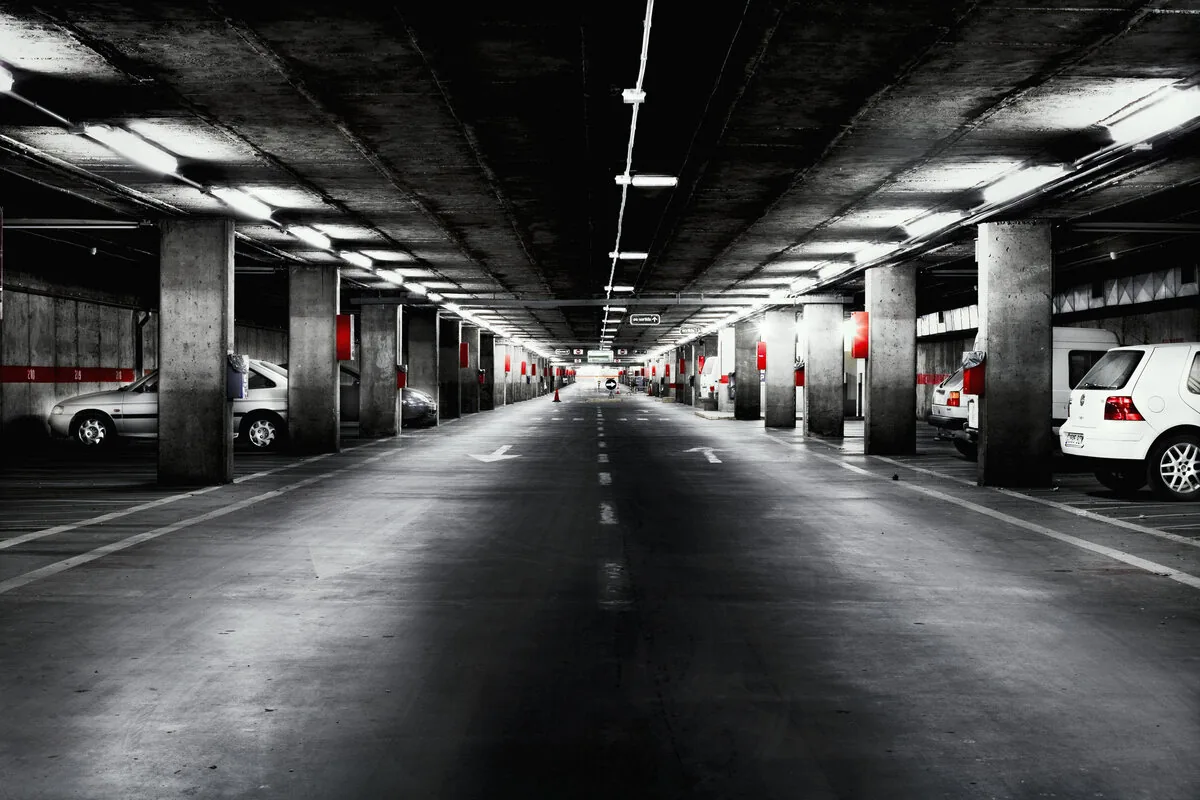
The car continues to be the dominant means even in cities. Precisely for this reason, parking management has become one of the most powerful – and still underutilized – tools to guide travel towards more sustainable models. This is certified by the AIPARK Observatory, which compared costs, territorial differences, and parking management logics on street in Italy and Europe.
Read more The app that takes us where we already are
The most striking data concerns the misalignment between motorization and price. Italy is third in Europe for the car-to-inhabitant ratio, but only thirteenth for the average hourly parking rate: 1.50 euros. Far from the Netherlands (4.10 euros), Norway (4.00), Denmark (3.40), and Germany (2.60). France (2.10) and Finland (2.00) also apply higher prices.
It is not just a matter of amount. Abroad, the rate is used as a planning lever. Amsterdam differentiates by zone, from 1.70 to 7.50 euros per hour. Barcelona ranges between 1.50 and 4.00 euros. Zurich increases the cost with the duration of the stay. In Italy, only Bologna and Milan approach this logic. In the rest of the country, the system remains cautious. In fact: while gasoline and public transport have increased by 257% and 278% respectively in 32 years, parking rates in many municipalities have remained steady or have even decreased.
North-South, medium-sized cities and income: three Italys of parking
Internal differences are clear. In areas with higher demand, the first hour costs on average 1.81 euros in the North, 1.25 in the South, and 1.11 in the Islands. The peak is recorded in medium-sized cities (200-500 thousand inhabitants), where it reaches 2.03 euros per hour, compared to 0.73 euros in centers under 50 thousand inhabitants.
There is also a clear correlation with income: where the average income exceeds 30 thousand euros, the rate rises to about 2.60 euros; below 20 thousand euros it drops to 0.95. Blue parking spaces remain operational on average 11 hours and 12 minutes a day, a schedule still of the traditional model, not very suitable for mobility that should be more dynamic and integrated with buses, bikes, and sharing.
The ranking of cities
Bologna is the most expensive, with 3.9 euros per hour in high-intensity zones. Followed by Bolzano, Florence, and Milan at 3.0 euros, then Turin (2.8), Pisa (2.5), Brescia (2.4), and Bergamo (2.2). In the Center-South, the first are Naples, Bari, Salerno, and Catanzaro, all at 2.0 euros. Below the national average are Cagliari, Marsala, Pescara, Reggio Calabria, Taranto, Catania, and Potenza.
Not just cash, but planning
According to AIPARK, pricing, if used strategically, can reduce private traffic, emissions, and noise, free up space for pedestrians, bikes, and greenery, and improve city organization. For it to work, however, it must abandon equal rates for all, adapt to real demand, and integrate with public transport, park & ride, ZTL, and alternative mobility services. Also fundamental is reinvesting proceeds in urban quality and balancing on-street parking and structured parking, so the latter do not remain empty.
“Parking pricing, if applied strategically, is configured as an urban planning tool capable of generating concrete benefits on sustainability,” summarizes Proto Tilocca, curator of the study. vb
Read more Lindblad: “A not very exciting race, but I am happy to have brought home 2 points”