
Is F1 taking action?
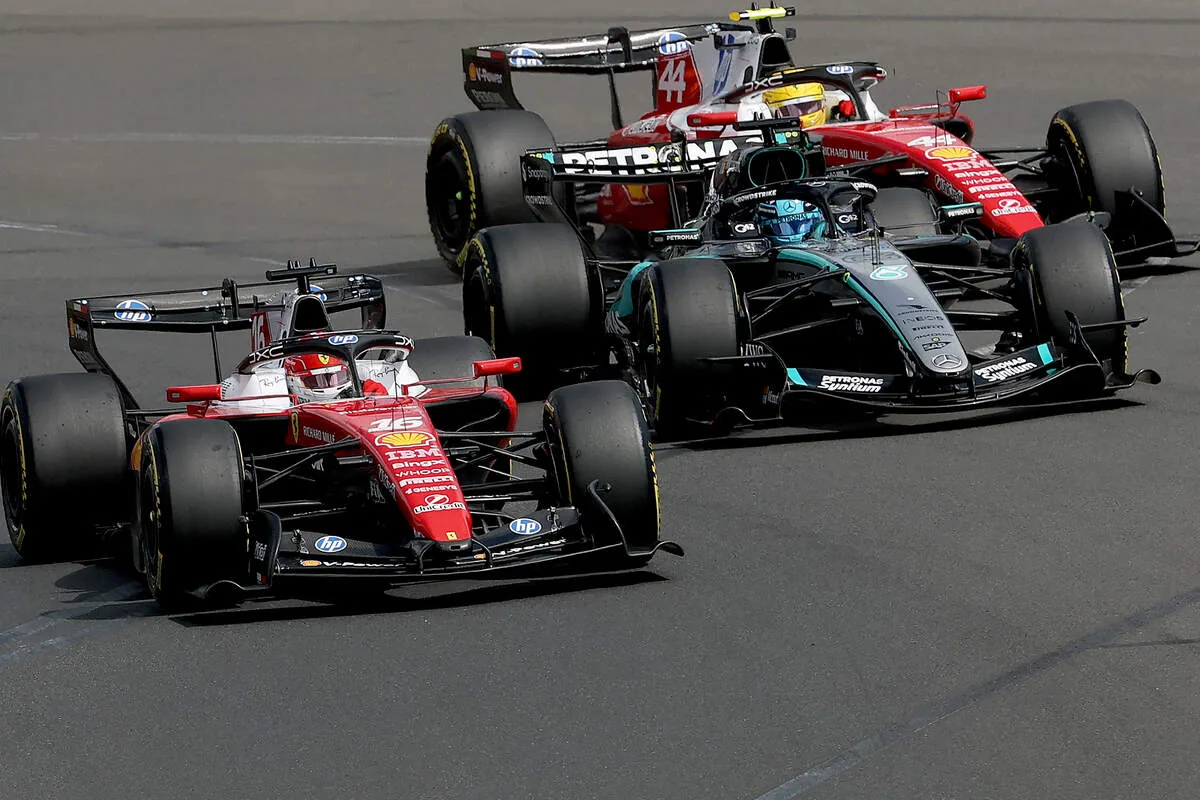
The Australian GP recorded practically triple the overtakes compared to the 2025 edition, but it is clear that the debut of the new rules generated anomalies that also led to a multiplication of overtakes; just think of how many times Russell and Leclerc overtook each other without anything actually changing, given that positions remained the same until Russell’s early pit stop coinciding with the Virtual Safety Car forced by Isack Hadjar’s technical DNF.
The Chinese GP will see teams and drivers compete on a completely different track, and the verdict emerging from Shanghai regarding energy management will be fundamental ahead of Suzuka. According to what was reported by the publication The-Race.com, in fact, after the Chinese GP there will be a meeting where the issue related to energy management will be discussed, which has drawn much high-profile criticism starting with Max Verstappen.
“The unanimous position of the teams was to stick to the current provisions for the first races and to review the issue when we have a bit more data – explained FIA technical director Nick Tombazis – our intention is to review the energy management situation after China. We have a few tricks up our sleeve in this regard that we didn’t want to introduce before the first race without having the first feedback from the race weekends.”
Read more The start is a real safety issue: disaster avoided only thanks to Colapinto
One possible solution could be to increase the power of the super clipping (currently limited to 250 kW), which would help drivers recharge the batteries much more easily. Another possibility is to decrease the power that can be used (currently 350 kW) to allow drivers to maintain boost levels for much longer. It is also being evaluated whether there are ways to increase the power of the internal combustion engine.
Read more Norris: “Artificial overtaking. We risk a big accident with speed differences of 40-50 km/h”