



McLaren – Norris: the progress on the best McLaren track
We borrowed (and modified) the title of a famous Pedro Almodóvar film to tell the story of this Hungarian Grand Prix which was, in a way, a collection of many films in one weekend. The first to consider is not a thriller but papaya-colored, with the magnificent victory of Lando Norris and McLaren and the near double, missed only due to Oscar Piastri’s retirement caused by a failure. At the Hungaroring, the MCL40 was undoubtedly the best car, exploiting upgrades and a whole series of technical features that on this type of track converged to put the reigning World Champion in the hands of a car that appeared unbeatable for everyone. The new floor brought downforce and improved balance, while the team showed significant progress in understanding the Mercedes power unit. The car’s short gearing perfectly suited the twists of the Hungarian track, as did the short gear ratios for the frequent restarts from low speeds. Finally, in races where tire management is one of the decisive aspects, Norris continues to show the best of his repertoire.
Read more Mekies confirms Hadjar: “He is doing a great job, it will be a logical decision”
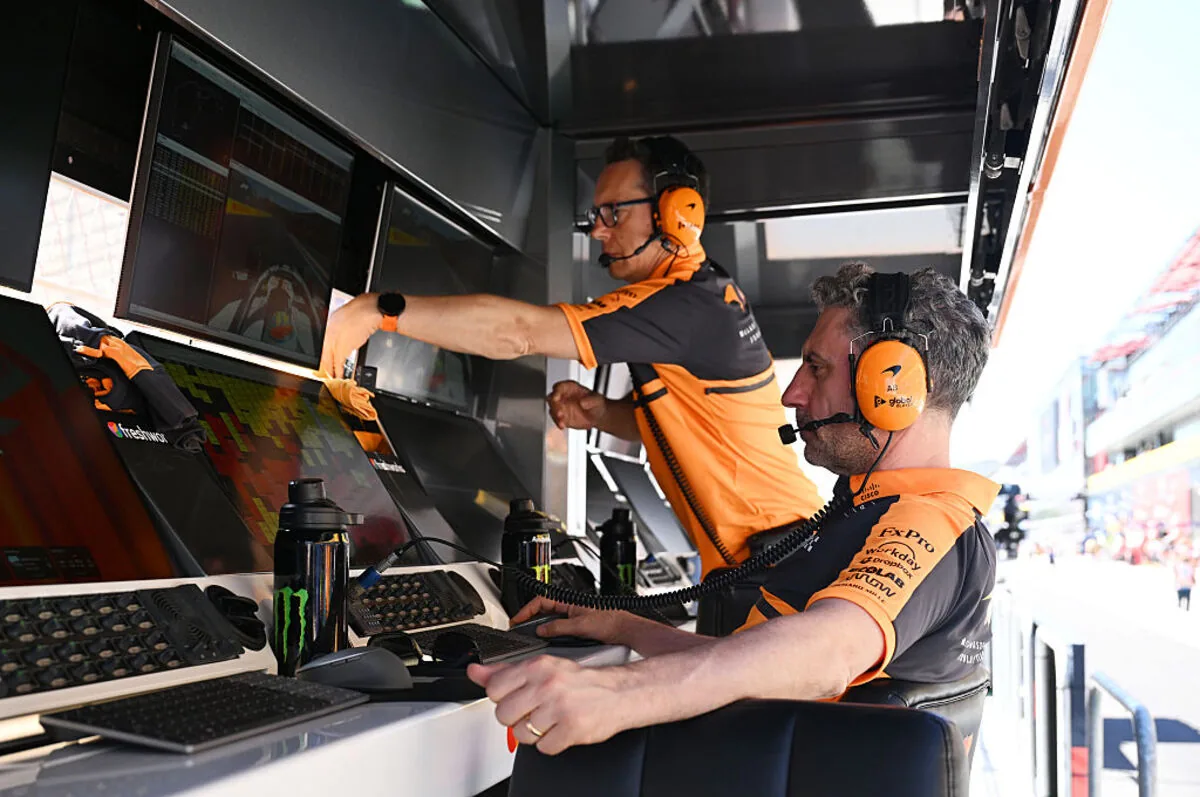
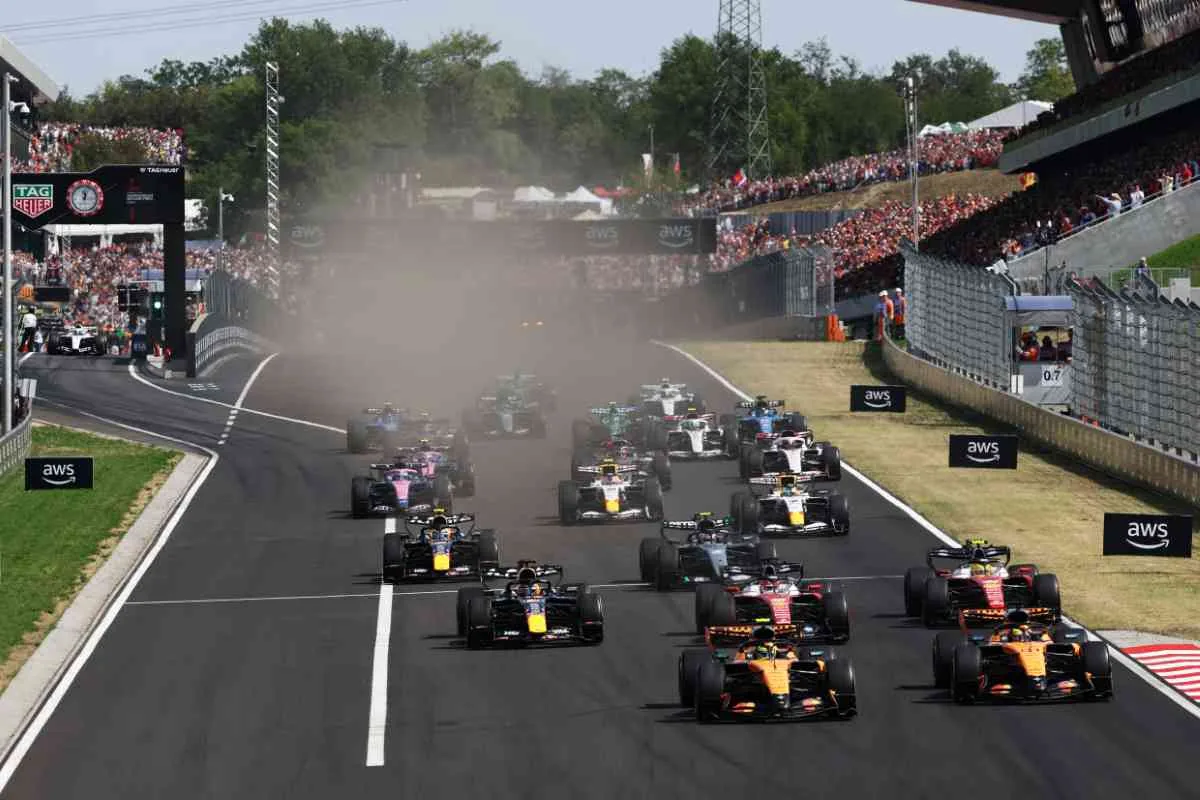
To be completely honest, the driver with the number 1 on the nose showed both sides of himself in the race, with a mistake on the first lap that gave Piastri the lead and could have cost him dearly, confirming some difficulties at crucial moments, but also the truly incredible pace shown whenever he was in clean air. It is plausible to think that the 24-second lead over Verstappen at the end is even small, considering Norris could have opened the gap even more if he had not been stuck behind his teammate for more than half the race. Piastri, for his part, had a pace basically in line with the other chasers, nothing really special, confirming a really significant difference that continues to exist between him and Norris with these cars. Certainly, the Australian deserves credit for having the perfect start, both on the first straight and then at turn 2, taking advantage of Norris’s mistake, but from then on it was always clear he was slower than his teammate. The impression is that the McLaren pit wall saw it well too, as they quickly called Norris in to take advantage of the contact between Piastri and Sainz, sending him to the lead, free to extend, but earning the wrath of number 81. McLaren wins and convinces without a doubt, but the peculiarity of the Budapest track means that to be sure of a papaya team truly fighting consistently, we will have to wait for the first races after the summer break.
Verstappen and Antonelli: the American-style hero films
Another happy ending film of the Hungarian weekend is undoubtedly the one starring Max Verstappen and Kimi Antonelli. The Dutchman showed the best example of perfect execution that could be found on track: good start, consistently on the limit pace, but with the necessary attention to tire management; a spectacular winning move on Hamilton in the only real opportunity available; finally, a perfect strategy and flawless pit stops, including the choice of soft tires for the last stint. Red Bull this weekend was the fourth force on track, but the great work of Max and the team brought it even to second place. After the qualifying penalty, Antonelli’s race was instead all to invent and the Italian once again showed maturity and intelligence, pushing when he could, in a solitary race by strategy, which in the end gave him the third step on the podium and further extended his lead in the standings. The three on the podium were undoubtedly the three best performers of the Hungarian race, leaving the pain to those who did not make it onto that podium.
The horror film this weekend is the Ferrari “execution”
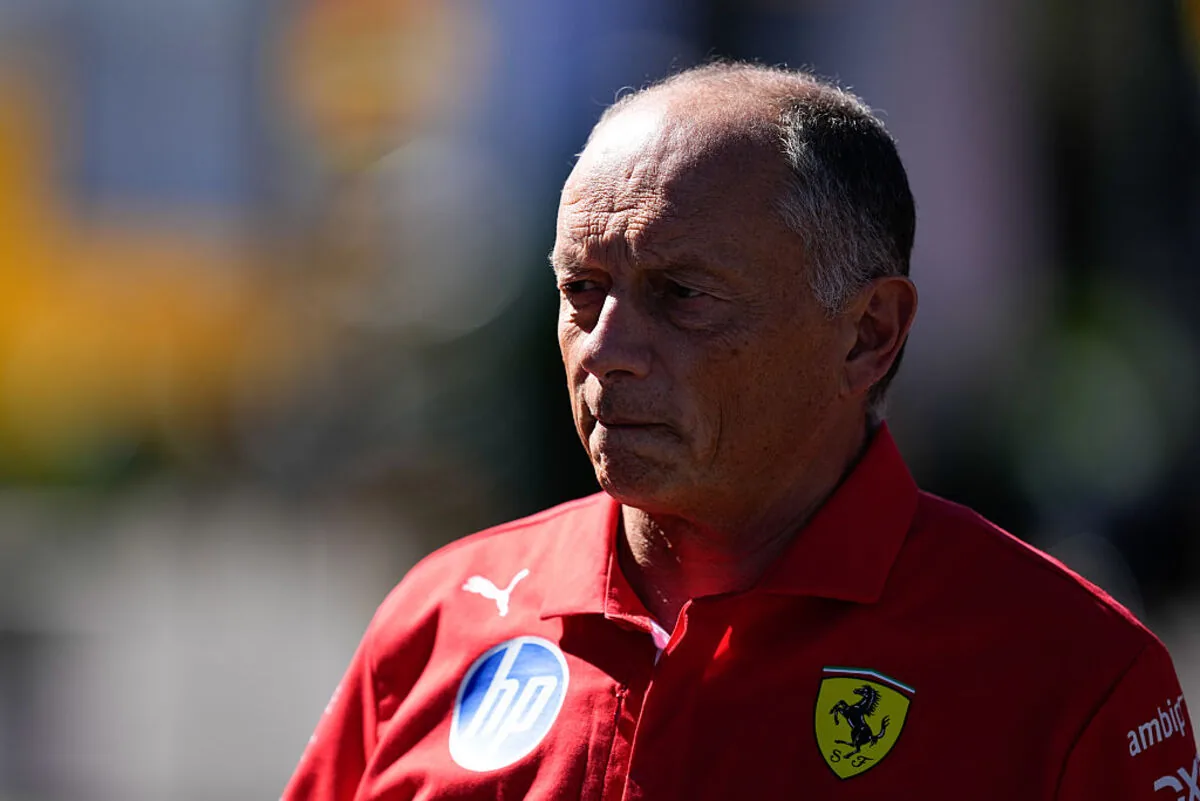
Fred Vasseur has been hammering on weekend execution since he arrived in Maranello. We have not always agreed with him, many times the car’s underperformance was justified by mistakes made that actually did not alter the essence of a car not fast enough to aspire to more. But this weekend the situation was different. Not faster than Norris, but at least on par with Piastri and faster than Red Bull, the SF-26 had the potential to bring home at least a podium, maybe a double. And while we generally believe that incidents have an influence but it is necessary to look at the overall picture, the Hungarian Grand Prix proved to be extremely dependent on individual incidents, given the almost impossible overtakes and the very close pace among the top teams. The 4 best teams have now reached very high and similar levels of excellence, and every small mistake becomes a boulder on the final result. Execution was therefore fundamental in Budapest and that of the Maranello team, excellent in many recent races, was this time appalling. Already in qualifying something had not worked, with the inexplicable first exit in the last attempt when Hamilton already had the best time and then with Lewis’s impeding of Piastri, which prevented Ferrari from lining up the two cars side by side on the grid. In the race, then, the list of mistakes was long. The grip level at the start was badly judged especially on the dirty side, where Leclerc started, with the number 16 red car sliding from second to fifth. Hamilton could not exploit the new soft tire and stayed behind Verstappen.
Read more Hungarian salami and other stories from Budapest: The F1 Dubbed Podcast – VIDEO
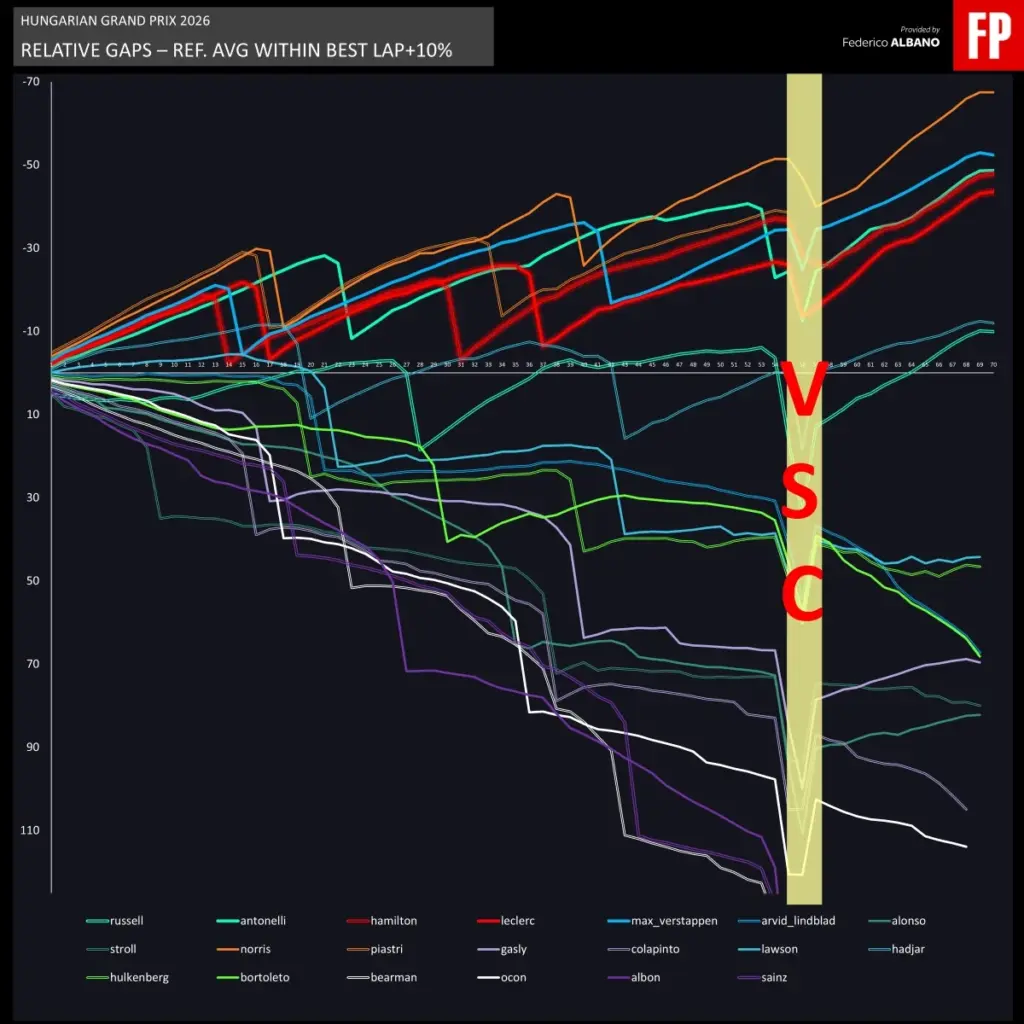
Ferrari’s undercut on the Dutchman could have put Hamilton ahead, even between the two McLarens according to our data, but the spectacular overtake by Verstappen definitively destroyed the Englishman’s race. At that moment, in fact, Hamilton was still fighting for the win, since McLaren had been forced to pit Piastri first who was leading, leaving Norris out one lap too long. Without the time loss from the overtake and the subsequent battle with Max, Hamilton would have ended up wheel to wheel with Norris exiting the pits, likely just ahead, and the race, with only Piastri ahead, would have taken a completely different direction. This was not the case, due to a combination of a phenomenal overtake by Verstappen and a Hamilton who did not realize the imminent danger at one of the most important moments of the race. Ferrari did not even understand that the soft tire had the huge advantage of providing more grip, limiting rear slip and consequently superficial overheating, a nightmare for everyone. For the SF-26, which had a setup designed to manage the rear but remained very unstable on that front, the difference was tangible and it is no coincidence that Vasseur, after the race, said: “The best strategy for us would have been soft-soft-hard”. And, to conclude, the pit stop under VSC, when Hamilton was second and only had to defend the position: a choice that made him fall to fourth place on a track where overtaking was already a feat and where the SF-26, to protect the rear, also paid more drag than the competition. Hamilton’s penalty for pit lane speed is the cherry on top of a weekend with good potential, but in this case really destroyed by execution on track.
The excellence of the four top teams
Formula 1 therefore goes on vacation with Antonelli leading the World Championship and, for now, without real rivals, especially if he continues to race like this. The constructors’ championship remains more open, but Ferrari will mainly need a step up in execution: not necessarily a better car, but a team capable of making fewer mistakes and finally turning potential into points. Meanwhile, McLaren’s rise and Verstappen’s consistently high level continue to deliver competitive and unpredictable races, thanks to four teams now able to consistently perform at levels of excellence.
Read more Road accidents, the training issue