






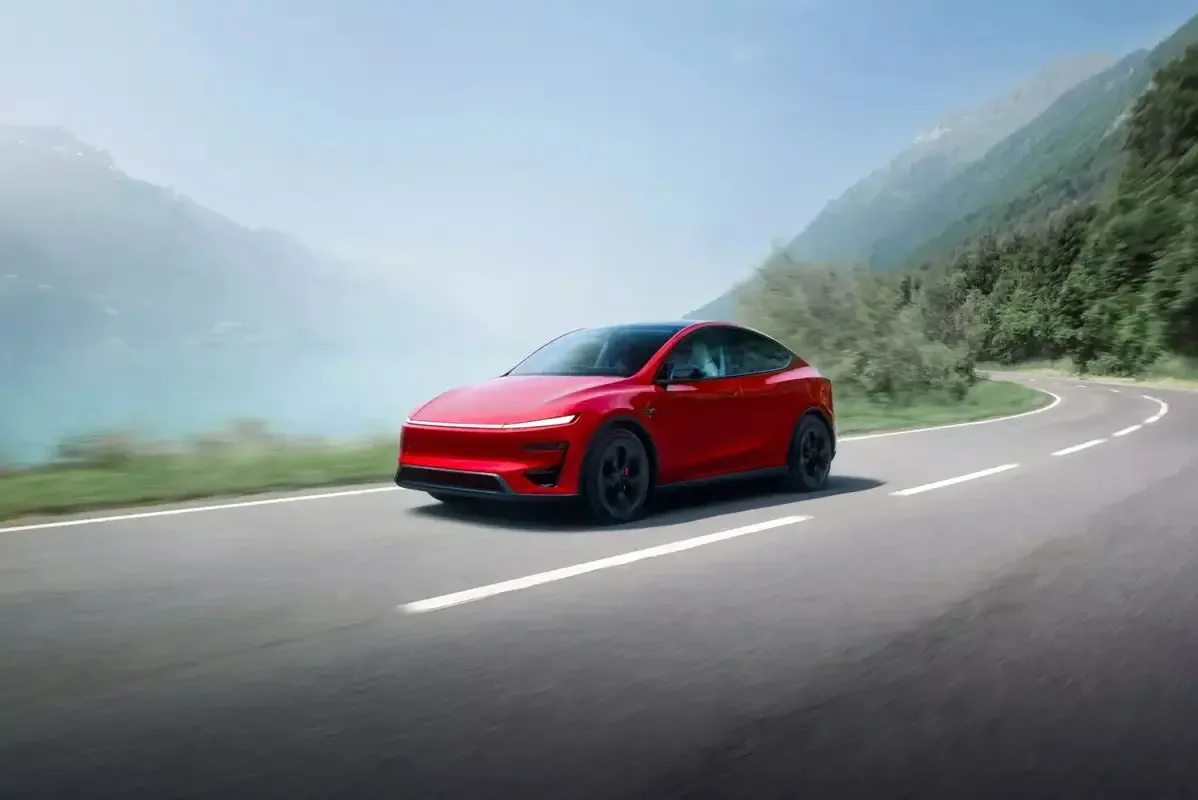
The world’s richest man, Elon Musk, seems to be looking further and further ahead than the electric cars that made him famous. In his speeches and business plans, as La Stampa on newsstands today points out, humanoid robots, driverless taxis, and lunar factories now dominate. Electric cars, however, remain the pillar of the Musk empire: they are still Tesla’s main source of cash and support ambitious investments in the future. The estimate of his wealth varies depending on the source, 839 billion dollars according to Forbes’ annual list and 636 billion according to the Bloomberg Billionaires Index.
Read more Super Formula: Browning narrowly avoids a dangerous impact with O’Sullivan
Musk depends on electric cars
But in any case, his wealth is closely tied to the value of the shares of the companies he controls, primarily Tesla and SpaceX. The numbers for the first quarter of 2026 show lights and shadows in this sense: Tesla delivered 358.023 vehicles, an increase of 6% compared to the previous year but lower than analysts’ forecasts of about 370.000 units. The imbalance between production and demand also grew, with over 50.000 cars ready in stock, the largest gap in the last four years.
Tesla remains fundamental
Wall Street reacted with a 5,4% drop in the stock in a single session. This is clearly not a catastrophic collapse, but it is a signal: the problem is not that Tesla is selling little in absolute terms, but rather that it is selling less than expected just as the company is sharply increasing spending for the future. Cash flows from automotive sales are essential because they fund the investments Musk considers strategic: for 2025 Tesla has in fact announced about 20 billion dollars in capital expenditures, destined for artificial intelligence, robotaxis, Optimus and development of proprietary chips.
Read more Jacques Villeneuve: “Never intimidated by Schumacher, we never got along”
Self-financing without resorting to the markets
With 44,1 billion dollars in cash at the end of 2025, the company can self-finance without resorting to the markets, but that reserve is built on automotive profits and cannot dry up without consequences for the group and Musk’s personal wealth. His compensation is in fact linked to the market value of Tesla: he owns hundreds of millions of direct and indirect shares and, when the stock falls, his wealth decreases in real time, as happened at the beginning of last year, when a drop in the stock burned tens of billions in a few weeks.