






In early June, the new hot test for measuring the engine’s compression ratio will come into force, a novelty that, however, does not aim to uncover any illegal solutions. This was revealed by Nikolas Tombazis, who, during a meeting with the Italian press, returned to talk about the Mercedes engine case, which he says was exaggerated by the media. The FIA single-seater department director believes that the Brixworth power unit is compliant, explaining that the Federation’s interventions were aimed at preventing the development of overly expensive concepts.
Read more Dixon still KO: Honda will replace him with rookie Yuki Kunii in Hungary
The management of the case
“This is a topic that, when it came out, caught us a bit by surprise”, comments Tombazis on the matter, while clarifying that with engine manufacturers “there is always a dialogue”. The Greek engineer reconstructs the FIA’s handling of the Mercedes case, whose first intervention dates back to last October, with which a postscript was added to the regulation specifying that the measurement procedure should be carried out cold: “As a rule, the compression ratio measurement system takes place at ambient temperature. If you look at what is done in the industry, there is a specific method that has been followed for years.”
“Without going too much into the details of the engine manufacturers’ characteristics, we do not believe that anything wrong was done or that anyone was cheating”, continues Tombazis. “What the various participants said to put pressure is another matter, but in this case, we do not believe that cheating was involved. There were some design choices to try to change the compression ratio as a function of temperature in a more favorable way.”
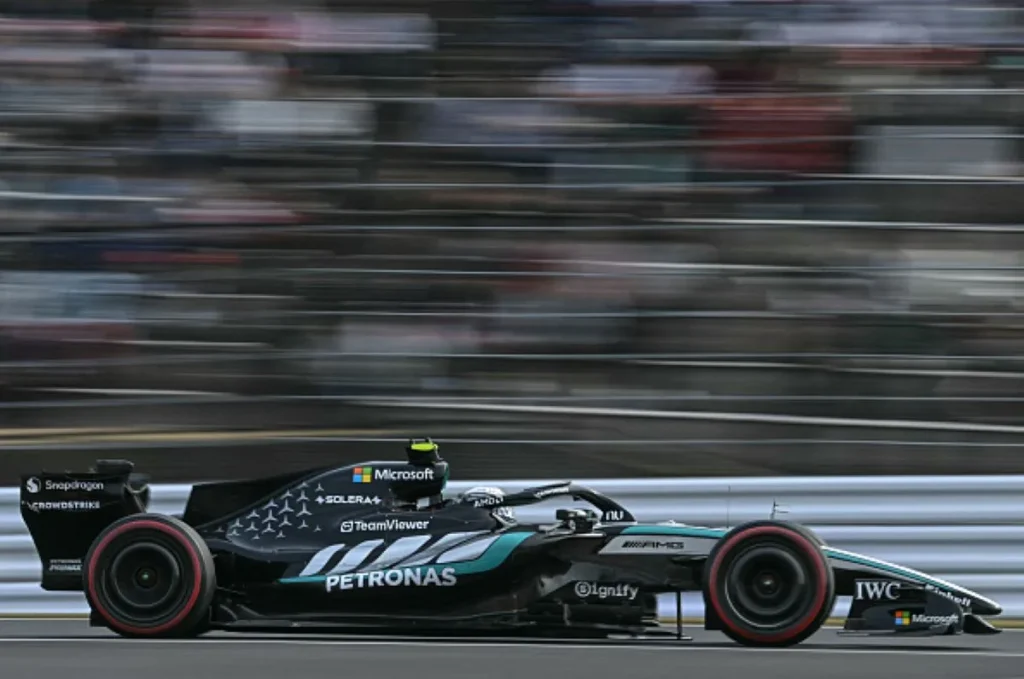
The words of the FIA official describe the Mercedes engine solution as a way to better control the inevitable evolution of the compression ratio as temperature increases, when normally the value tends to decrease due to material expansion. Tombazis continues: “When we made the change in October, it was because we wanted to ensure that what was normal practice was clarified. The action we subsequently took between late February and early March was to avoid incentivizing the entire Formula 1 to invest in exotic materials or other solutions that, in our opinion, would go against the spirit of the sport.”
Read more Canary Islands Rally 2026: program and TV times
No cheating
The technical director of the FIA single-seater department categorically responds to the accusations made against the Mercedes engine: “It’s not about cheating. I do not accept criticism that perhaps someone was cheating. At the same time, however, perhaps they were outside the normal intentions of the regulation. When we have such situations, we avoid immediately banning something, but we still try not to let it drag on for many years, which is the reason for our intervention this season.”
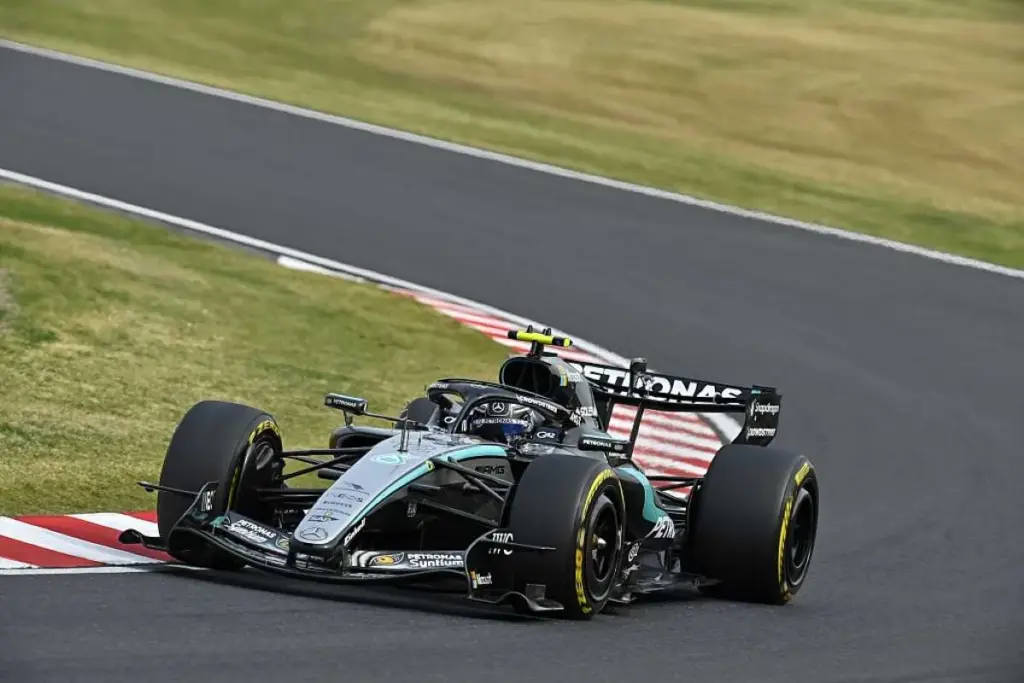
It still remains to be clarified how much the management of the compression ratio guarantees an advantage to Mercedes-powered cars. Tombazis, however, assures that the attention paid to the case was disproportionate: “I don’t think it deserved even a cent of the articles dedicated to it, nor the fervor it provoked in various people. Having seen the situation from the inside, it seemed to me like one of those classic hysterias that could have been much more contained.”
Read more New manufacturer in Rally1 for 2027: RMC Motorsport will debut from Spain