





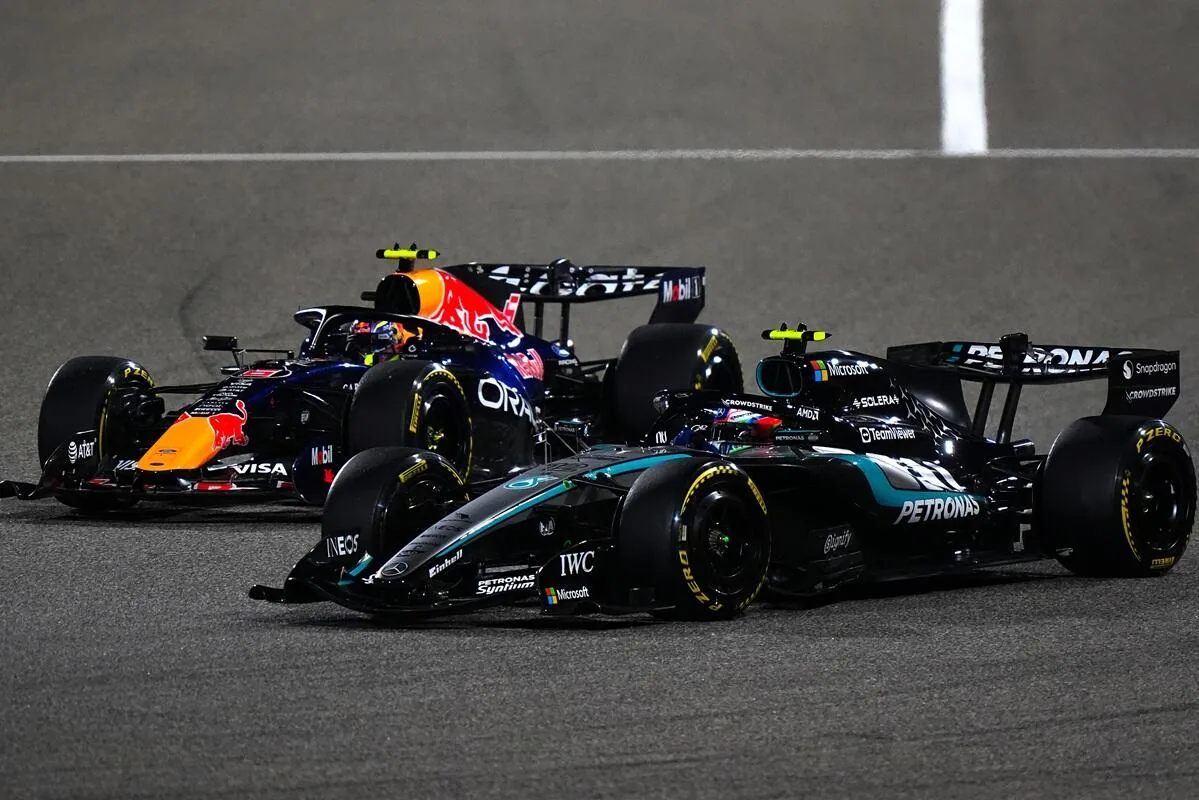
The advent of power units with 50% electric power has promoted the spread of a new terminology. In interviews and radio communications, words already used in the past return frequently, but now they acquire a completely different relevance. Here then is a quick guide to the 2026 Formula 1 vocabulary, whose terms will be central to reading race dynamics.
Read more Toyota Celica, the return of the coupe is approaching
Deployment
Deployment is the delivery and distribution of electric power during the lap. It is a real strategy, having to understand in which phases it is most profitable to spend the available energy, generally in acceleration, and when instead it is better to save the battery charge. Having an advantage in deployment is a symptom of better energy management, managing to exploit the electric motor longer than others.
Harvesting
From the English “harvest”, to collect, harvesting indicates the battery charging phases, in which the MGU-K does not work as an electric motor, but as a generator. This can occur during braking or when, with the accelerator pressed, the MGU-K absorbs power from the internal combustion engine, with the effect of reducing that transmitted to the wheels. Examples of harvesting are the use of lower gears in corners to keep engine revs high or the progressive reduction of thrust on the straight. By regulation, the MGU-K can recharge the battery with a maximum power of 350 kW during braking, while on the straight it cannot absorb more than 250 kW from the gasoline engine.
Clipping
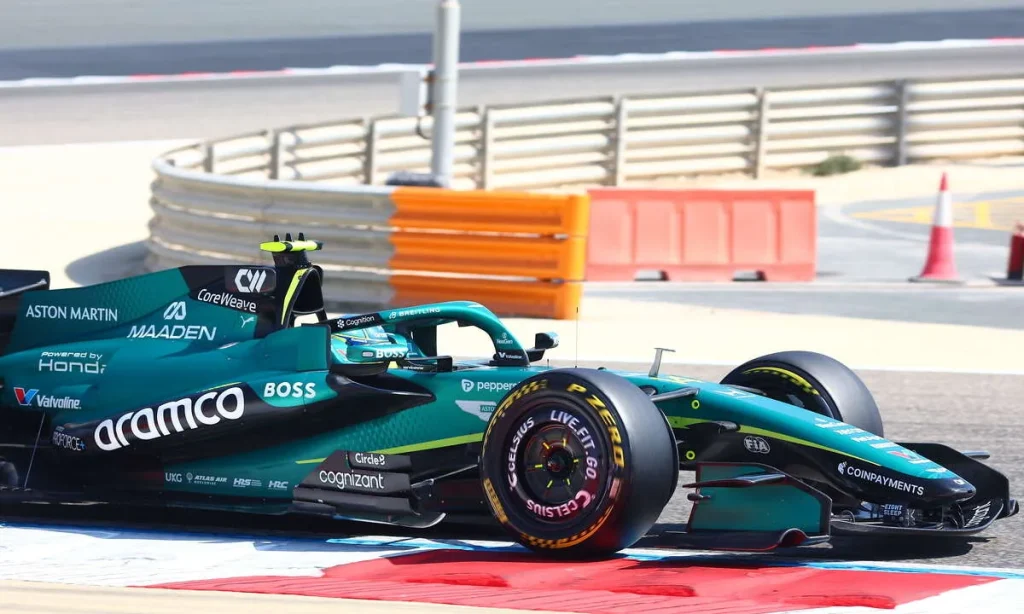
Clipping is a subcategory of harvesting and is a phenomenon already observed with previous power units. It consists of cutting electric power at high speeds, a practice that serves to preserve the battery charge. From the perspective of lap time, in fact, it is better to exploit the electric motor in the acceleration phases to regain speed quickly, while its use becomes less profitable at the end of the straight.
Read more Thailand Practice, Quartararo is only 16°: “But we gave our all”
Derating
Derating also refers to the progressive loss of thrust, but unlike clipping, it is not necessarily due to energy management. The control unit can in fact decide to cut the hybrid power for reliability reasons, for example in the face of overheating. It is something that also occurred with the old power units, with which it happened to hear drivers complaining about derating, especially in the hottest races, despite being less critical engines from an energy point of view.
Turbo lag
One of the main innovations of the 2026 regulations is the removal of the MGU-H, the electric motor that controlled the rotation speed of the turbo, whose absence is now the cause of a delay in engine response, known as turbo lag. This happens because the compressor is now set in motion only by the exhaust gases pushing on the turbine, which in corners however decrease due to the loss of revs, causing a slowdown of the turbo. When the driver returns to the accelerator, the compressor therefore needs time to regain speed and pressurize the air intended for combustion, causing a slow engine response. Turbo lag is a well-known phenomenon in the automotive field and is unrelated to the hybrid system, so much so that Formula 1 had already experienced it in the last century.
Read more Multiview, 4K, maps, playlists, podcasts: how Apple will take F1 to another level (in the US)