

What the Miami tests said
Formula 1 finally returns to the track in Miami and does so with cars that are only relatives of those seen racing in the first 3 events before the long forced break. The amount of mechanical and aerodynamic updates is huge for all teams and although only one free practice session has been run so far, there have been some significant indications between confirmations and progress.
Ferrari: chassis qualities seem strengthened
Read more A «horrible» spin. Leclerc’s fury after the last attempt in SQ3
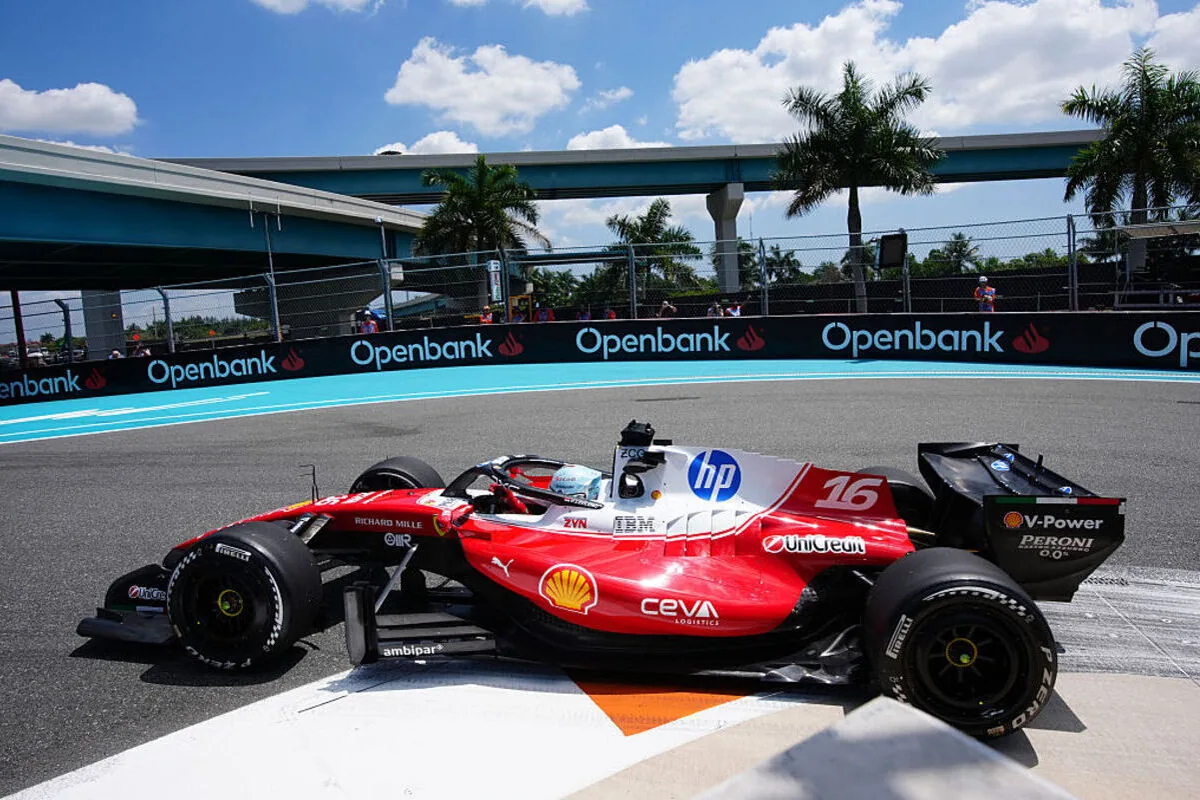
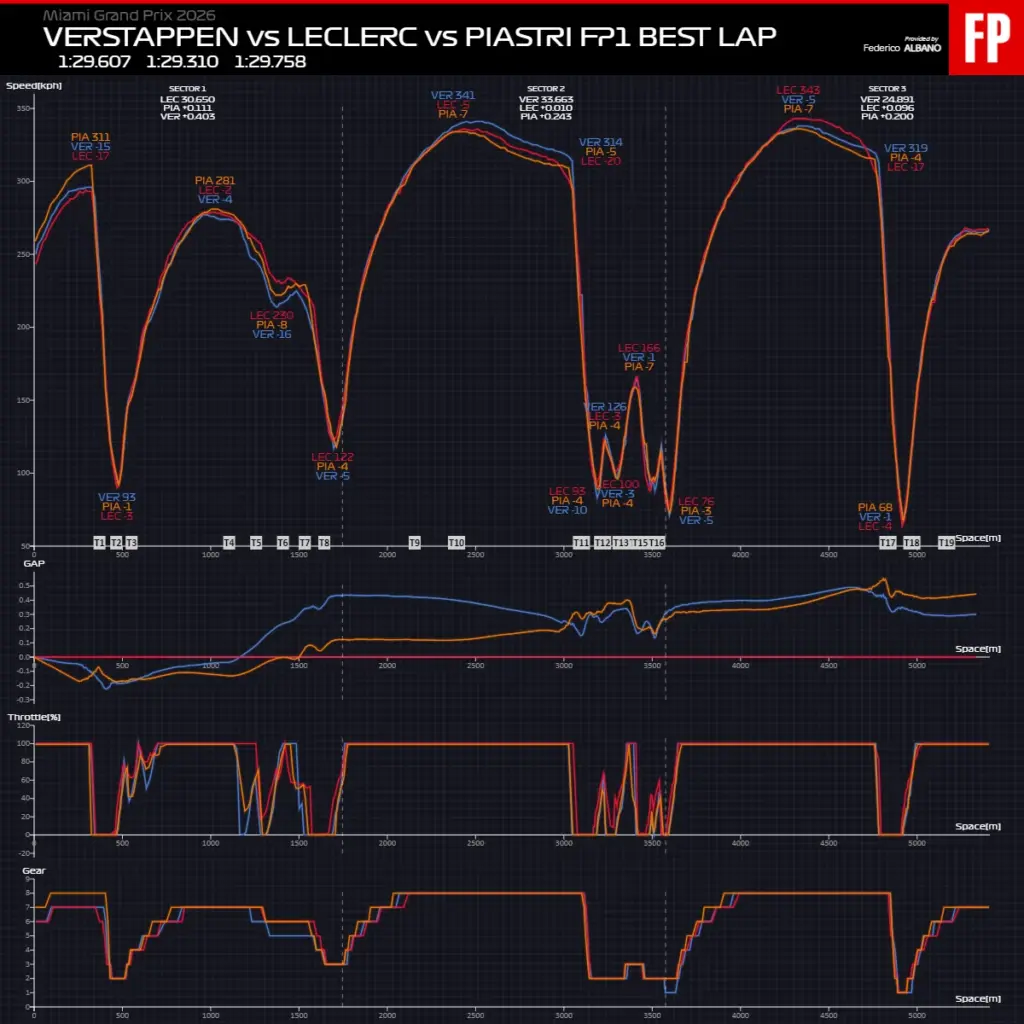
The car with the most updates is precisely the SF-26, including the latest version of the “Macarena” wing, particularly useful on a track like Miami. Looking at the data, the impression is that the strengths of the project emerge from this round of updates not only confirmed, but even strengthened. Leclerc, in achieving the best session time, showed the best performance both in the high-speed corner section of the first sector and in the very slow section just before the second intermediate. No definitive conclusions can be drawn from a single free practice session, but the impressions are of a significantly better rear compared to the first 3 races, of increased and more stable aerodynamic load even in direction changes, as well as a mechanical setup able to adapt well both to fast sections and to the high curbs of the slow section. The conditional is mandatory, but if these impressions are confirmed in the official sessions, it can only mean that the SF-26 has found a good development path at least for the start of the season. The weak point still seems to be the engine, with a slightly reduced deficit compared to what was sensed in Japan, but very marked at the end of the straights, when the red car is the only one to collapse as if in a super clipping phase, evidently lacking energy compared to Red Bull and McLaren/Mercedes. It is not surprising anyway, since the power units, although new for everyone, obviously maintain the same specifications until the ADUO comes into play.
McLaren seems able to join the top teams’ party
The other team that positively impressed in the first session is Woking’s. Beyond the times, we first noticed a more economical use of the Power Unit, especially in the two accelerations, which however left room for good cornering performance, especially in the slow sections. The perception is of a significant step in load and stability, which therefore positions McLaren to at least seriously challenge Ferrari, if not to insert itself between Mercedes and the red car itself. Obviously, everything will need to be rechecked in qualifying, especially on the soft compounds, since even the race pace simulation was carried out by the two champions’ team drivers with a much higher fuel load than the direct competition, making direct comparisons impossible especially on the tire degradation front.
Red Bull improves and flies on the straight, doubts on the chassis
Max Verstappen reappeared in the top positions, thanks to a first step forward of his car, especially on the stability and drivability front. The RB22 continues to be incredibly fast on the straight, but lacking load and therefore suffering especially in fast corners. In the race, we know Verstappen has the ability to manage cars with less load than the competition, especially thanks to his sensitivity on the tires, but the impression from the first session is of an improved car but not yet at level. It remains only the impression of one session, as with all others, and it will obviously be necessary to evaluate everything with the data from the official sessions.
Read more Williams hires Claire Simpson, head of aerodynamic development
Mercedes a semi-unknown, between troubles for Kimi and difficulties for Russell
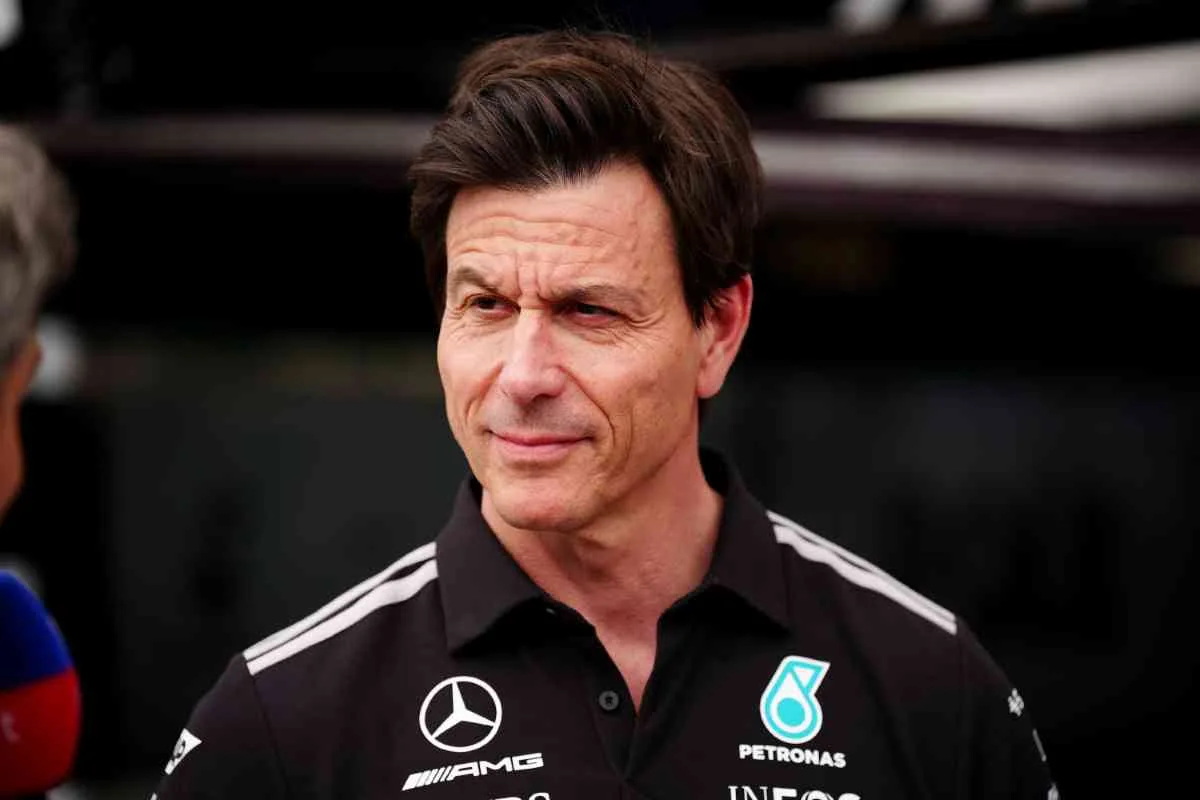
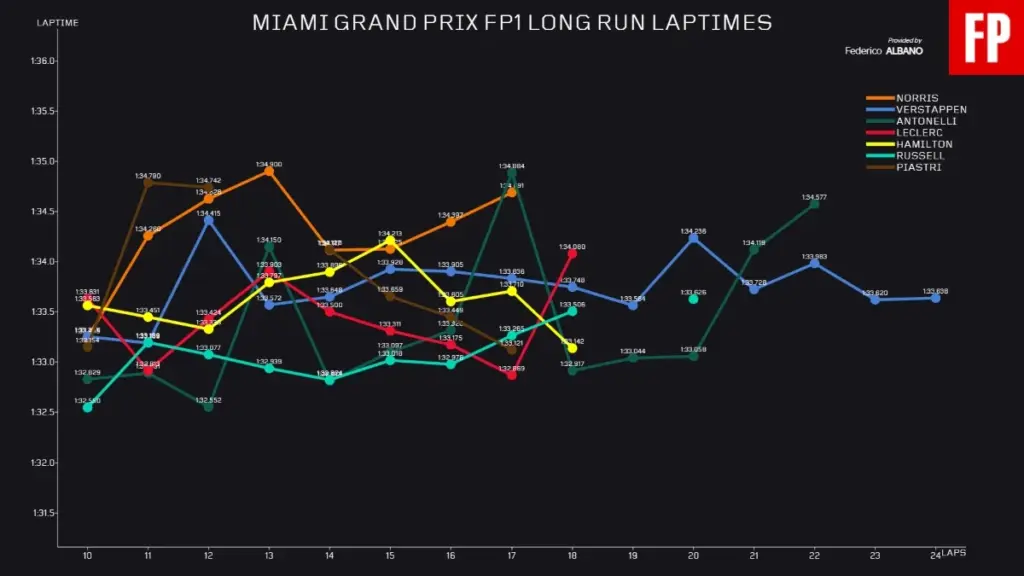
That Mercedes’ value is top-class would not be a surprise, and the times seen in race pace simulation seem to hand the Brackley team once again the scepter of favorites. But the advantage seemed less comfortable than seen at the start of the season and the session was certainly not one of the smoothest for Wolff’s men. Antonelli started with excellent feeling with his car, stable and fast, but could not perform the qualifying simulation due to a probable battery failure, a component that has already caused problems in the first races. A situation that prospectively also raises some alarms on the penalty front, which inexorably loom if further replacements are made. On the other side, George Russell appeared in considerable difficulty on the setup front, with many changes attempted during the session and never a good feeling with his car, ending up with a significant gap even on soft tires. The impression is that the potential is there, but to extract it the entire Mercedes team, from drivers to engineers, will have to find a quick solution to the questions that emerged at this weekend’s start. The Sprint qualifying will already provide a first significant answer in this regard, since the W17’s dominance has been seen so far precisely on the single lap, and the comparison with the “new” McLaren will be very interesting, as well as, obviously, with Ferrari.
The start of the official sessions, beginning with the Sprint qualifying, will therefore tell us if these impressions are correct or if we will have to revise them. In general, on the single lap we also saw an improvement in the drivability of these cars, with a strong and unpleasant (super)clipping present in the two main accelerations, but also with an overall management that appeared less extreme, although still present. We will therefore soon see if qualifying can become a fun session again and who will come out on top.