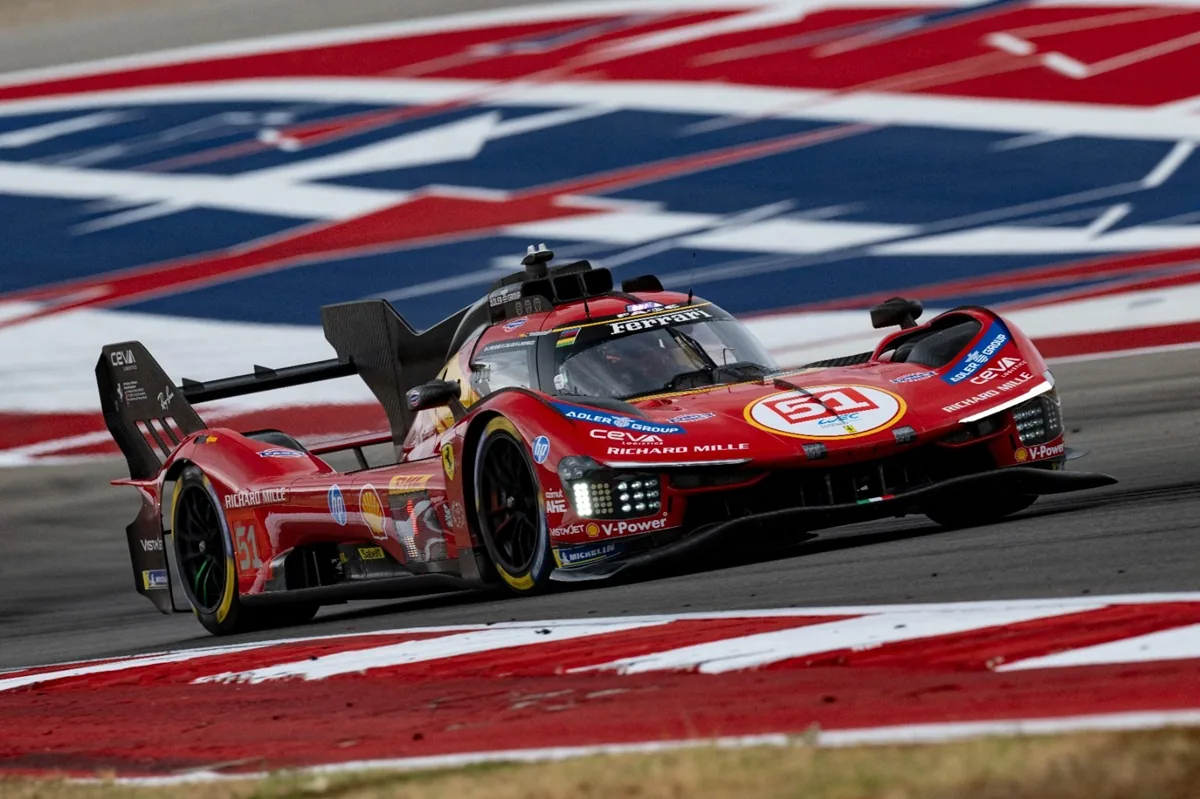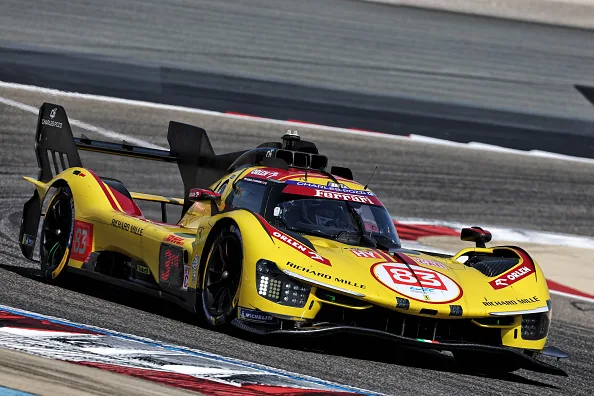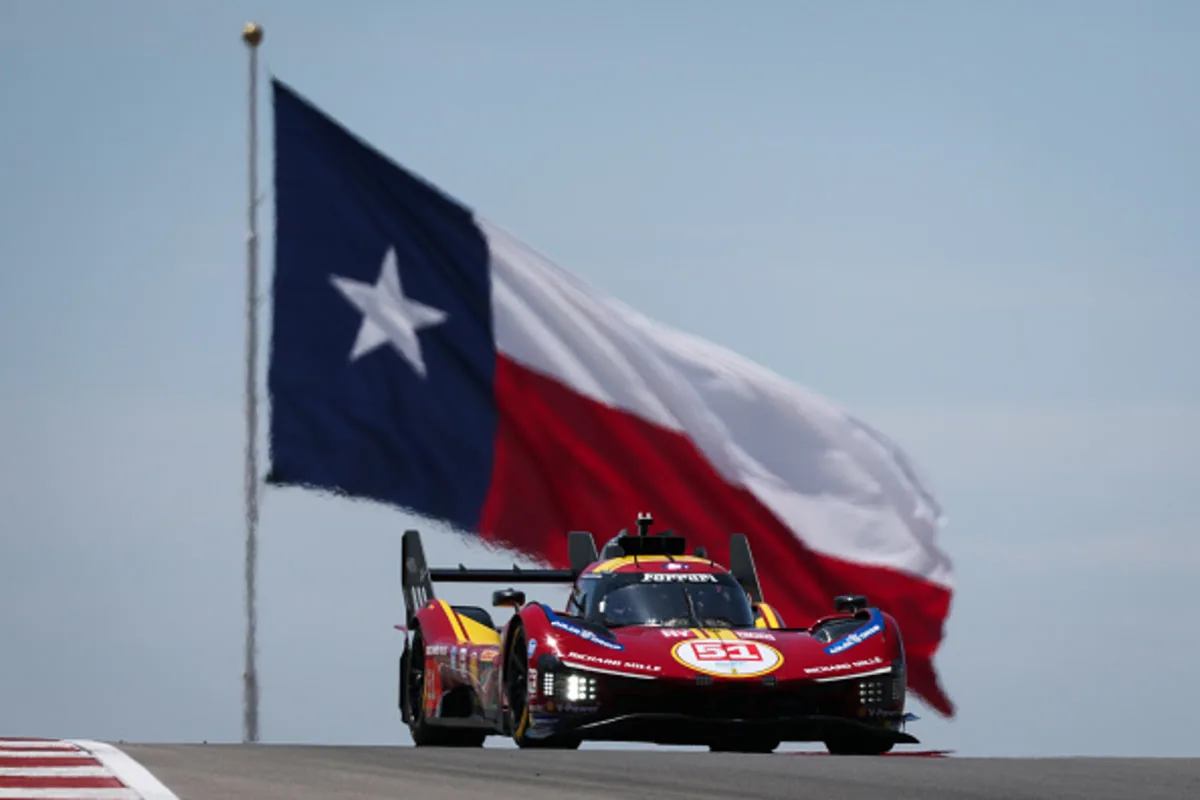



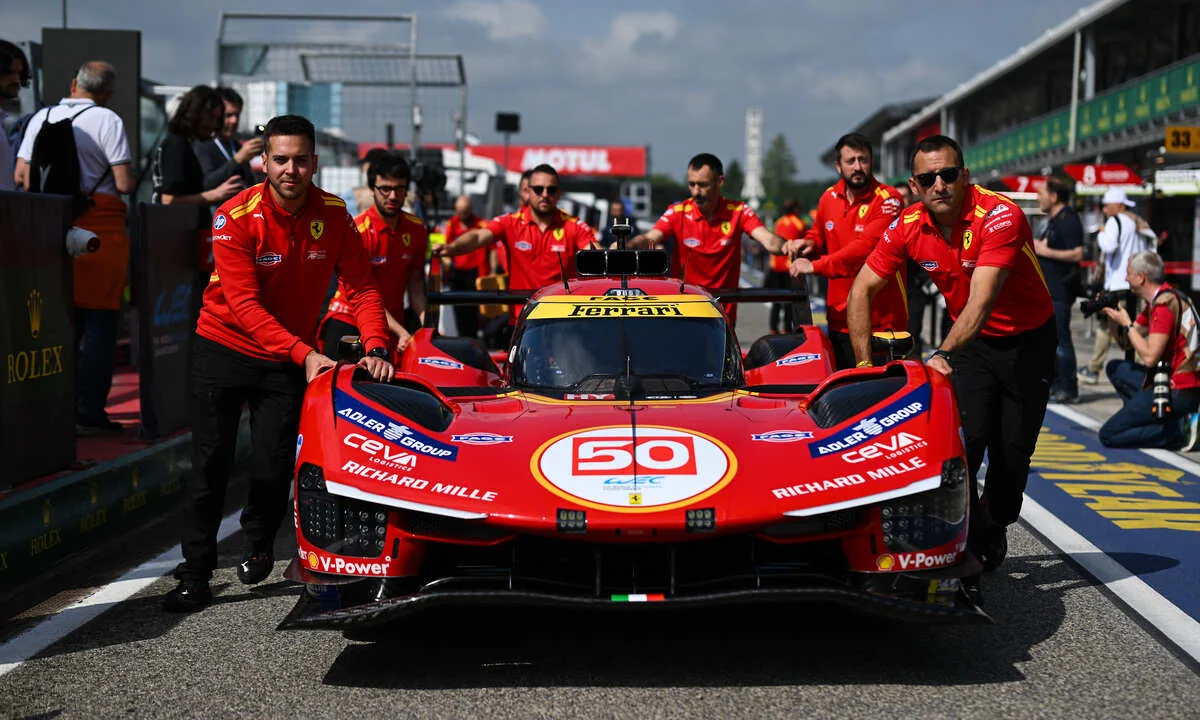
FIA, ACO and manufacturers are looking for an agreement on the regulations that will inherit the Hypercar legacy, likely at the beginning of the next decade. The idea is to define a single architecture, after the dualism between LMH and LMDh, but with several issues to resolve, including the possible obligation to rely on external suppliers for some components. However, for Ferrari, the essential condition to continue in the WEC is the possibility of building the entire car internally, also promoting the abolition of the Balance of Performance.
Read more Lamborghini, three new perfumes with an “automotive” approach
The condition to continue
For the new WEC era, the scenario of a single architecture is increasingly emerging, after the long coexistence of LMH and LMDh, platforms differing mainly in hybrid power and electric motor position. During the interview granted to FormulaPassion, Antonello Coletta, head of Ferrari Endurance and Corse Clienti, clarified the Prancing Horse’s position regarding the next world’s premier class: “We will have to see if it will be two-wheel or four-wheel drive, but the basic condition for Ferrari is to maintain the possibility of building the car 100%. Without this, it would make no sense for us to continue. The spirit for which Ferrari returned to endurance racing is precisely to gain experience to apply what has been learned and tested on the track to road cars, as we have already demonstrated many times. This is very important to us.”
To date, manufacturers adhering to LMDh regulations are obliged to use a standard hybrid system and gearbox. For the chassis, however, there is an obligation to rely on one of the four recognized chassis manufacturers: Oreca, Dallara, Ligier, and Multimatic. Ferrari would not agree to re-propose the same model with the upcoming regulations, preferring that freedom of choice be left between developing components in-house or purchasing them from an external supplier. Coletta continues: “If a team had the possibility to buy the same gearbox because another manufacturer makes it available, for us it would absolutely not be a problem. We are the ones who want to make our own car. If others then wanted to share parts, for us it would be absolutely feasible. I don’t see where the problem could be, whereas, on the contrary, there would be problems if there were an obligation to buy a certain gearbox, a certain electric motor, or a certain chassis.”
Superfluous BoP
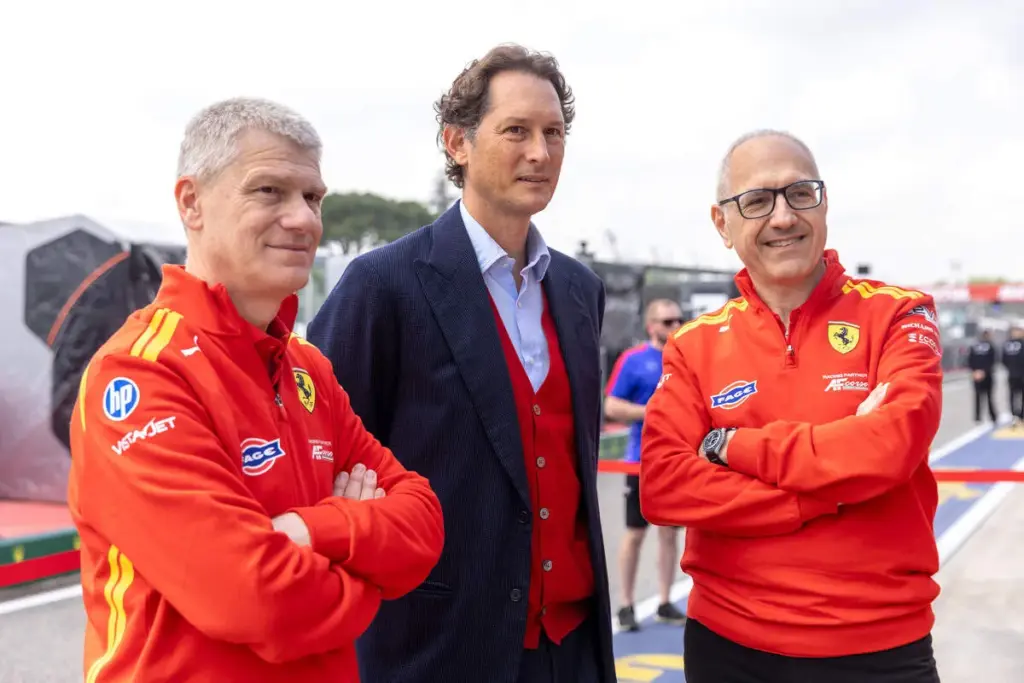
Another proposal that Ferrari is pushing for in view of the next technical cycle is the abolition of the Balance of Performance, as there would no longer be a need to balance cars of different architectures. Coletta explains: “A positive thing is that all manufacturers somewhat agree on the possibility of having the same platform. Probably, this would also eliminate the BoP, because if the platform were the same and the performance windows were quite narrow, there would certainly no longer be a need for a Balance of Performance. I believe this would benefit the credibility of the category, rewarding only merit.”
Read more Bagnaia: “I lost 4 tenths on the last lap and missed the top 10”
Engineer Ferdinando Cannizzo, Head of Ferrari Endurance and Race Cars, shares the same opinion, having expressed his thoughts in an interview granted to FormulaPassion: “The important things for a class like this are to minimize performance gaps, so that everyone has the opportunity to race and compete, and to pay attention to cost containment. This is an important aspect, especially in this context. We are aware of this, as are all manufacturers. Certainly, then, we would like to see a free championship where the regulations themselves satisfy these two objectives, namely cost containment and free, but contained, performance, so that everyone can express their potential without constraints, allowing the best to win.”
Click here to add FormulaPassion as a favorite source on Google Discover: you will find our content more easily!
Read more Hungarian GP 2026, FP2: green light at 10:10 – LIVE