
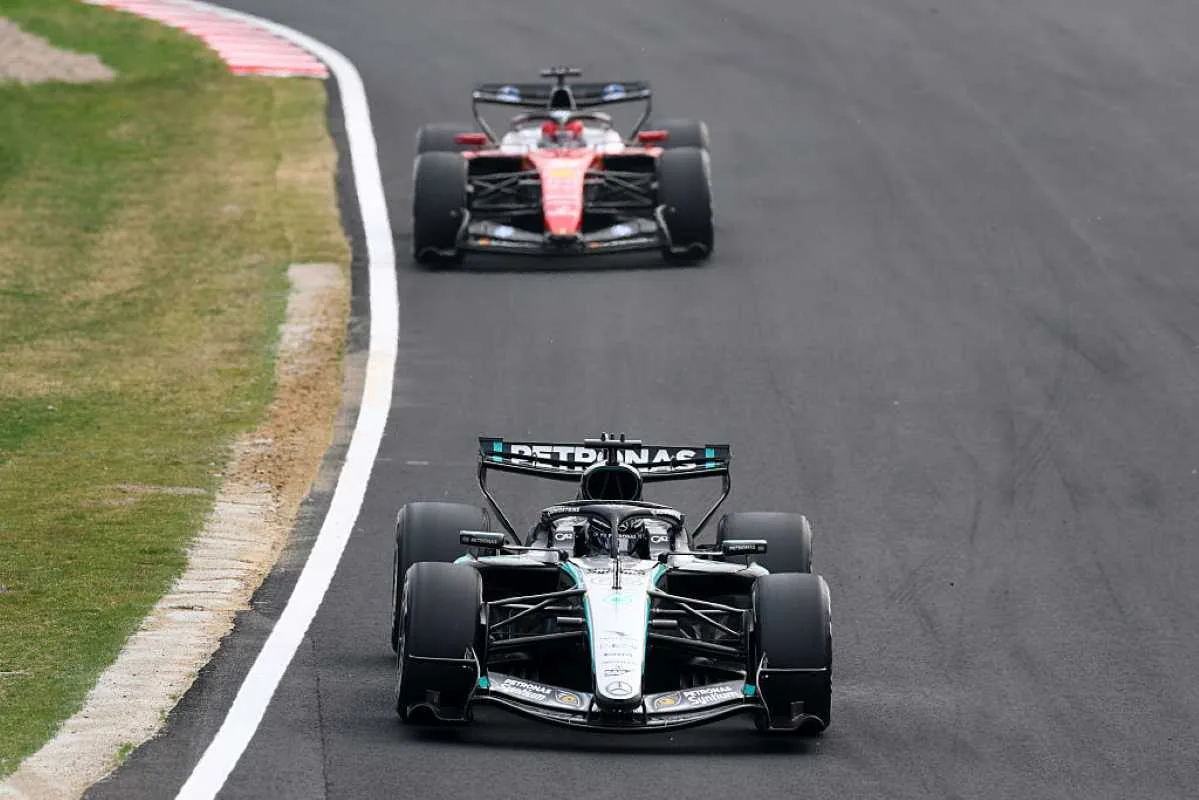
If none of us had ever seen a Grand Prix in our lives and had sat in front of the TV for the Melbourne-Shanghai-Suzuka triple-header, we probably would have been truly ecstatic about the many overtakes and counter-overtakes seen in these first cries of F1 2026.
Knowing, however, how it was until yesterday and above all knowing the whole history of energy management, of the 50:50 engines between thermal and hybrid and of superclipping, it is practically impossible not to put a big asterisk of doubt around every maneuver. And look at everything with a certain suspicion, wondering where the line is between a real overtake and an exchange of positions – sometimes not even intentional.
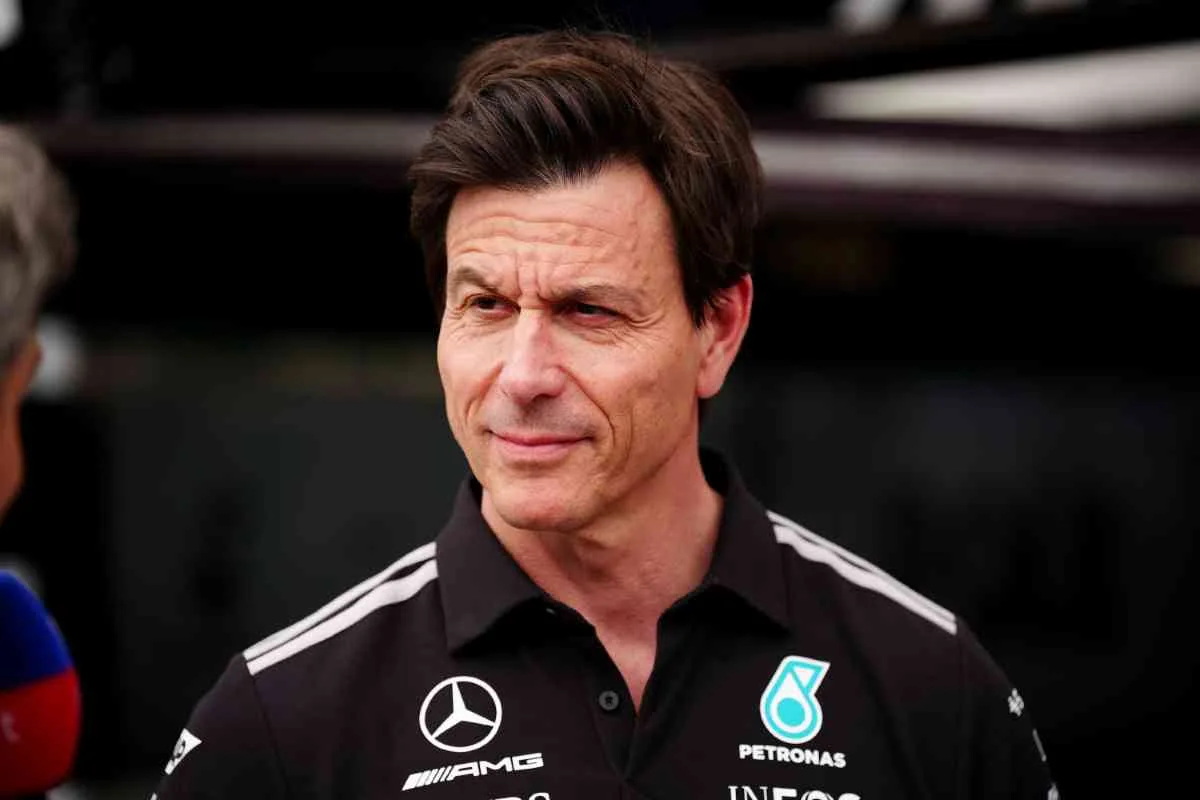
And remain frankly stunned in front of a Toto Wolff – Innkeeper, how’s the wine? Good! – who tells us how exciting he finds the “recharge” overtake, even defining it as “pure racing”.
As done last Saturday, on the subject of qualifying, on the topic who better than the drivers themselves can tell what overtaking has become in F1 2026.
Read more Perez: “Suzuka was our best race so far”
Lando Norris on the duel with Lewis Hamilton: “Honestly, in some phases of the race, I didn’t even want to overtake Lewis. But it happened that my battery would run out: I didn’t want it to happen, but I couldn’t control it. So I would overtake him, then I had no battery left and he would zip past me again. This isn’t a race, but a yo-yo. You are at the mercy of the delivery. The driver should have control, but we don’t. At 130R I had to lift off, otherwise I would have hit him and I couldn’t resume acceleration afterwards. If I accelerated, the battery would activate and then drain. I couldn’t do anything about it, the driver doesn’t have enough control“.
Andrew Shovlin of Mercedes on the overtakes suffered in the race by Russell: “At the Safety Car restart he lost a position to Hamilton, because he had reached the recharge limit too early in the lap and didn’t have enough battery for the restart. With Leclerc then he had a bug in the software code, triggered by pressing a button and the simultaneous gear change: the engine went into superclip mode and charged the battery, allowing Charles to overtake”.
Fernando Alonso: “There is no fun. Overtakes are now involuntary. You find yourself with a more charged battery than the car in front and you have no choice: either you pass it or you crash into it. It’s not an overtake, it’s more of an evasive maneuver”.
Max Verstappen commenting on Bearman’s accident: “One driver finds himself completely without power, while the other uses the ‘mushroom mode’ (reference to Mario Kart, ed.). This creates a speed difference of 50-60 km/h. I myself had some difficult moments of this type and I passed by swerving to one side”.
If drivers do not have full control of what happens on the track and perform involuntary overtakes, there is a safety problem, especially with those speed deltas. Which could become huge at circuits like Las Vegas or Baku. The words of Carlos Sainz, director of the drivers’ association, are as heavy as boulders, because they denounced a lunar stance by F1: “I was surprised when they told us that they are dissatisfied with qualifying, but happy with the races, with the type of racing we are seeing. What we see are not real overtakes, it’s like driving on the highway, where you press the accelerator and pass. I hope F1 reconsiders its position and that the teams are not so confrontational”.
Formula 1 has made a false (over)step, but on April 9 in London it can and must recover by listening to the drivers. And if some teams resist? Well, after the near disaster at the start in Melbourne between Colapinto and Lawson on the grid and the accident of Bearman at Suzuka, the reasons for a forceful intervention under the – sacred – banner of safety are all there…
Read more BMW i3, environmental care throughout the entire life cycle