


Formula 1 could abandon the 50:50 ratio between thermal and electric power. Interested parties will return to discuss it after Miami, when the effectiveness of the already implemented regulatory corrections will be evaluated. Nikolas Tombazis confirms the existence of various proposals, including the reduction of electric power and the increase in fuel flow to improve the performance of the thermal part, the latter idea not so simple to implement this season. In the long term, however, there is discussion about a possible increase in battery capacity, but the goal in this case could even be 2028.
Changes in the pipeline
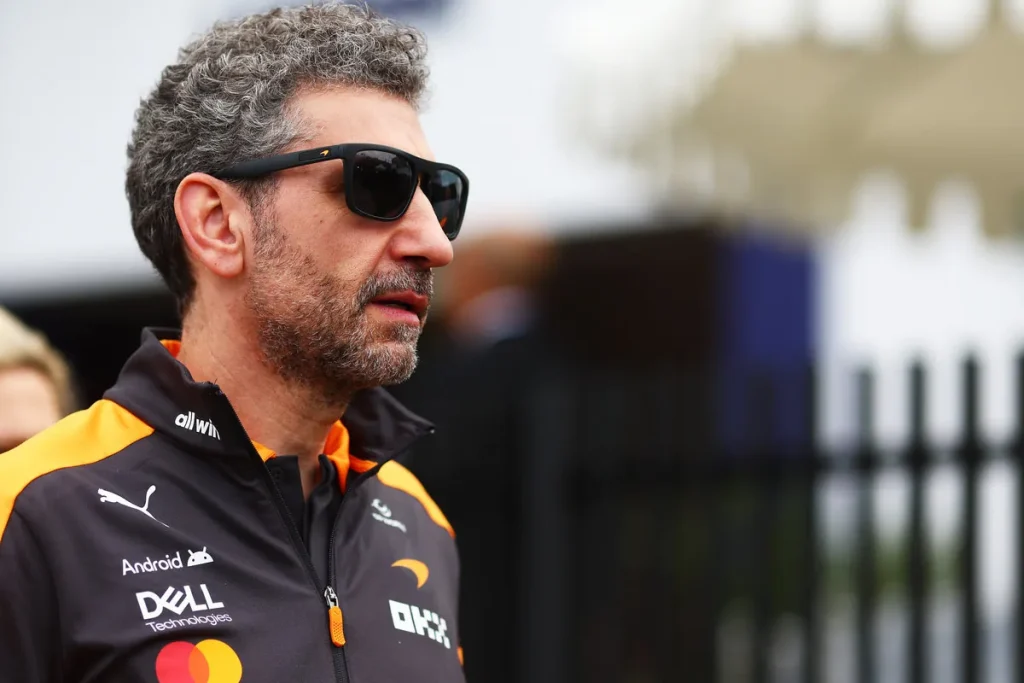
During a recent McLaren press conference, Andrea Stella expressed a positive opinion on the regulatory changes agreed for Miami. The Italian Team Principal, however, hopes for structural interventions on the power units for the future: “Considerations should be made for hardware modifications, more for the long term, so that the power unit can work in conditions that require fewer compromises from the chassis or driving perspective. We believe this is possible and we believe that all parties involved should approach this conversation with a willingness to contribute.”
“To achieve more substantial improvements, for example to reduce energy deficiency or to improve the fact that, in high-speed corners, sometimes you don’t slow down enough between the braking point and the cornering, it might be necessary to intervene on the hardware.” Stella continues: “Once you work on that, for example on battery capacity or the possibility for the engine to accommodate a higher fuel flow, at that point it would take more time than the simple interval between one race and another and even more than that between one season and the next. Discussions are underway on how the hardware can be improved more radically, so that the regulations have more room to achieve the various objectives necessary for the show and entertainment, also ensuring that drivers can drive more traditionally and push the car to the limit.”
Timelines
Andrea Stella’s words reveal that among the proposals put forward is an increase in battery capacity, currently limited to 4 MJ. However, even if more energy could be stored, the problem of having to recharge it while driving outside of braking, especially in qualifying, would remain. It is no coincidence, therefore, that there is also talk of a possible increase in fuel flow, so as to give more power to the thermal engine, abandoning in that case the 50:50 ratio with the electric part.
Read more Marko: “Not everyone would have psychologically survived Jos Verstappen’s training”
On the other hand, making such a change is not a quick operation. Increasing fuel flow, for example, would also require an increase in turbo pressure, necessary to provide more air to burn the excess fuel. Engines would also be subjected to greater stresses, requiring adjustment. All of this would also impact the rest of the car, which would need to be developed based on higher power, not to mention that a larger battery would be heavier and bulkier. As Andrea Stella hinted, implementing everything in time for next season could be complicated, making 2028 a more realistic goal. However, this does not exclude that some changes could materialize much sooner.
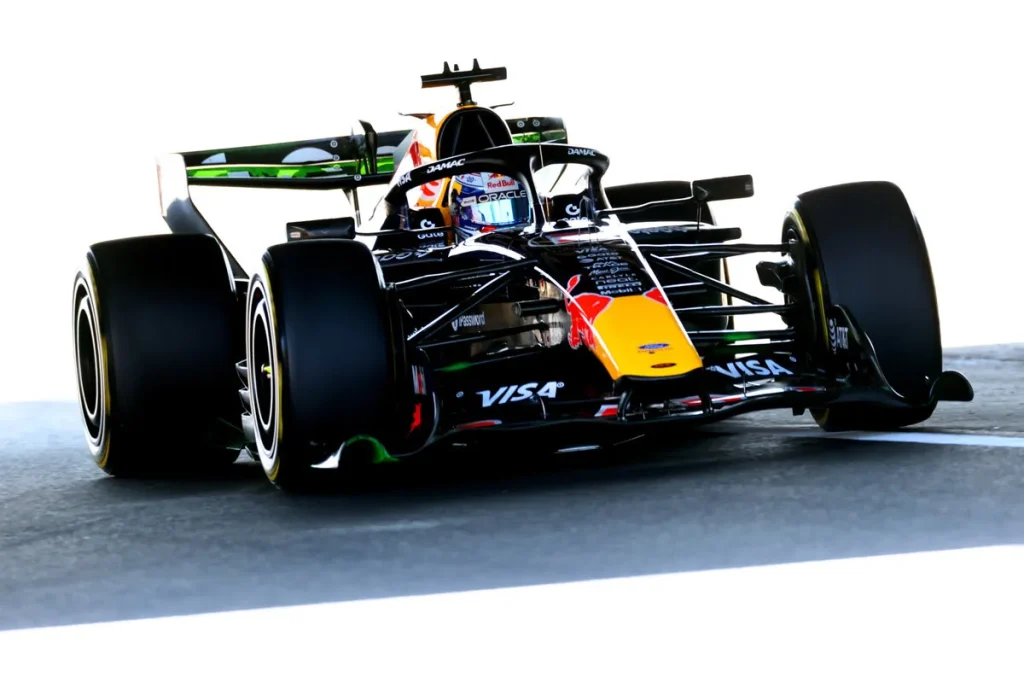
Options for 2026
The FIA and the teams will evaluate whether to modify the ratio between thermal and electric power in other ways this year. One possibility is to further limit the performance of the electric motor, after already having reduced its power to 250 kW in races on sections to be tackled with closed wings. This was revealed by Nikolas Tombazis, technical director of the FIA single-seater department, who addressed the topic with the Italian press: “We have told the teams and engine manufacturers that after Miami we will take stock of the situation again to evaluate the positive aspects and, even if I hope not, the negative ones. We will remain open to some other actions. At the moment we don’t have a to-do list, but there are ideas, even a bit deeper than those already put into practice.”
“You will certainly have heard proposals on fuel flow or on [the reduction of] electric power. These ideas are on the table, they are not secret, but they were absolutely not feasible in time for Miami. Once we see how the situation evolves, we will be able to discuss whether these options are needed.” Tombazis’ words do not exclude an intervention as early as 2026, but it is not clear whether this possibility concerns only the reduction of electric power or also the increase in fuel flow. The FIA official also confirms what Andrea Stella feared. For the coming years, modifications to the hardware of the power units could be made, for which the approval of all engine manufacturers will be required. “If such a thing were ever to happen, it would only be with the consent of the manufacturers, it would not be a unilateral thing. The FIA could not impose it alone,” concludes Tombazis.