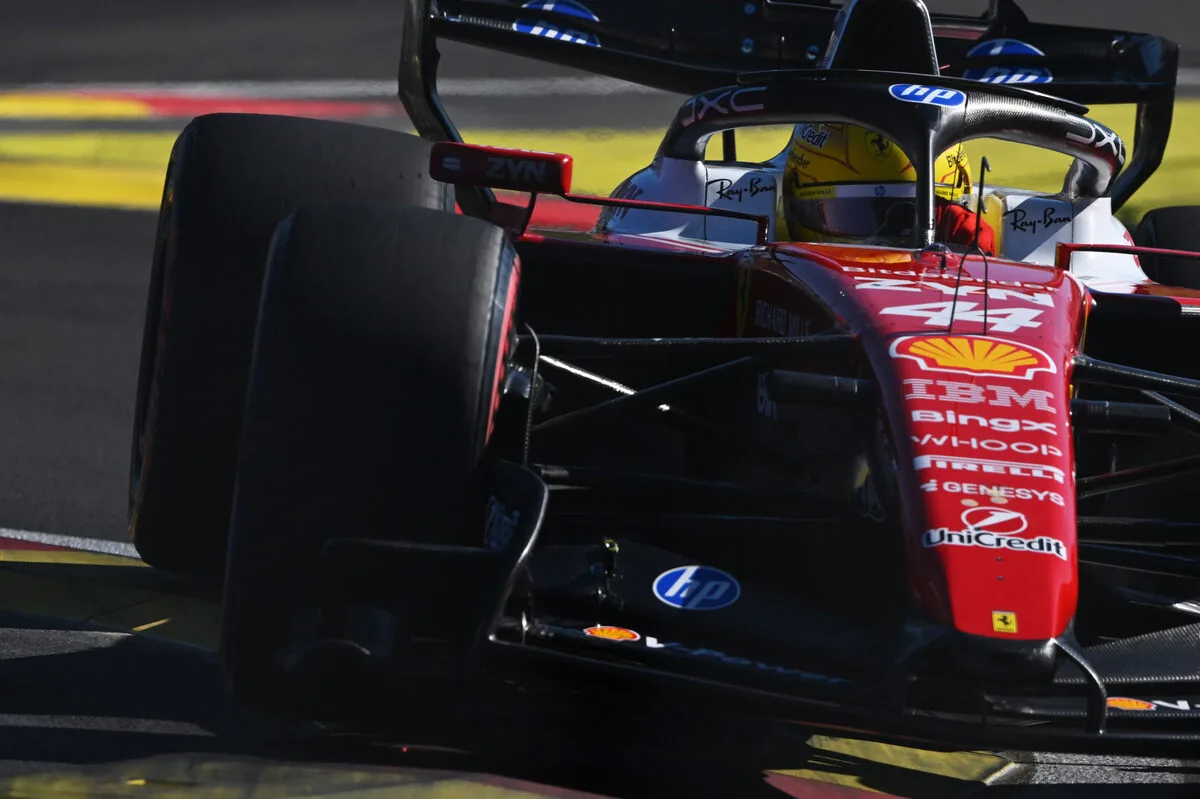


The last Ferrari podium dates back to Charles Leclerc’s second place at the Belgian Grand Prix in mid-July. Since then, the Maranello team has had to surrender to the renewed competitiveness of McLaren and the ever-present Mercedes, while at the same time paying for its own shortcomings. Aerodynamic development has slowed down, the engine continues to suffer from a power deficit, and track management has not been free from errors, prompting reflection on the SF-26 project.
Read more Norris, it’s not just bad luck: McLaren’s pit stops are becoming a problem
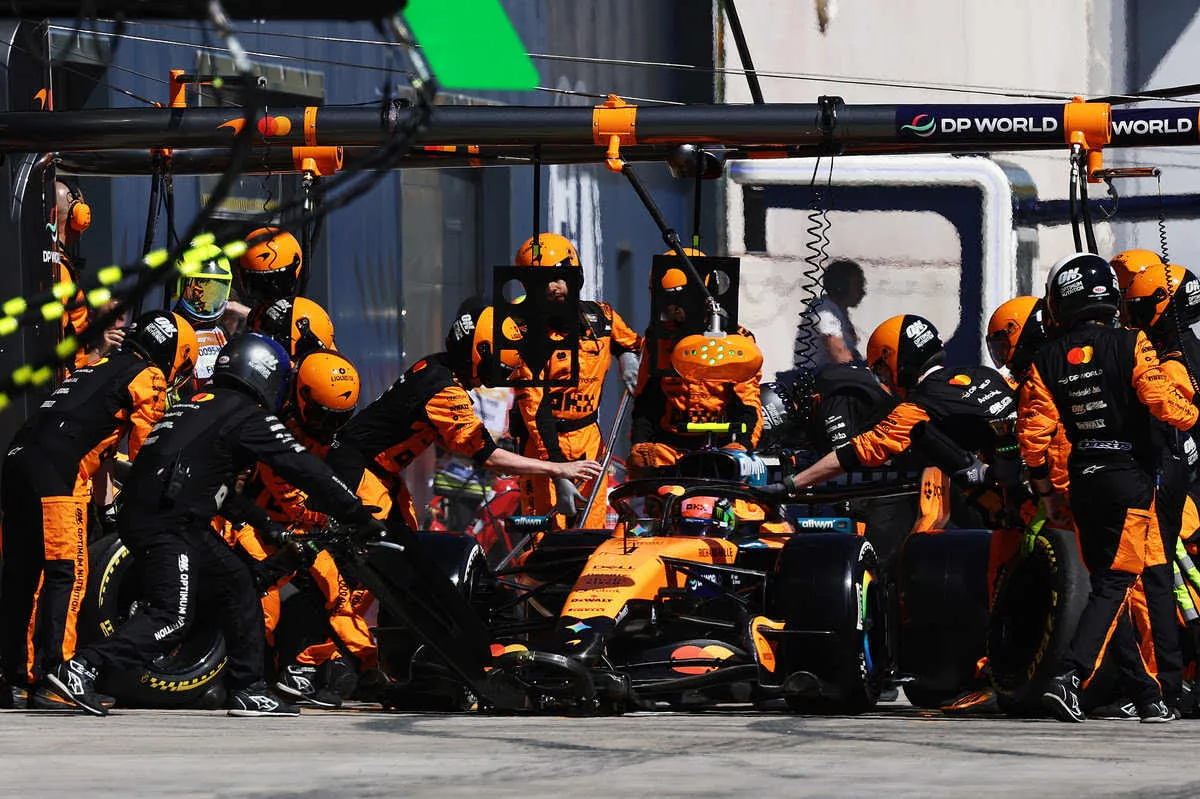
McLaren’s Overtake
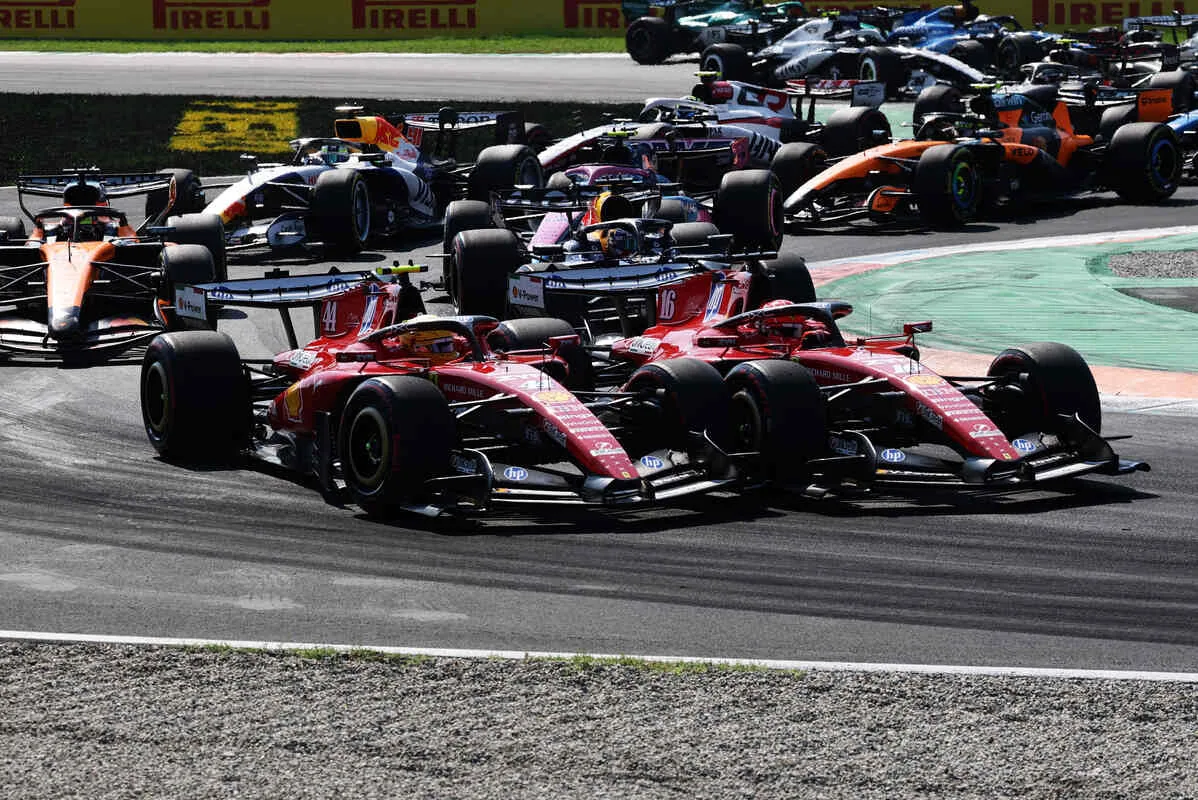
The dark period for the Prancing Horse has now extended since the Hungarian Grand Prix. In Budapest, Ferrari was the protagonist of a horror execution, making several mistakes both in qualifying and in the race. Monza, on the other hand, was a standalone event, on an atypical track that exacerbated the lack of straight-line speed of the SF-26. The home race was also the scene of Leclerc’s accident at Parabolica, while in Madrid there was one of the rare retirements due to reliability issues, with the brake-by-wire failure on Hamilton’s car.
Despite these considerations, the second half of the summer also marked McLaren’s performance overtake. The MCL40 had been waiting for updates since the distant Spanish Grand Prix, and those that arrived around Budapest and Zandvoort allowed the papaya car to make a significant leap forward. However, Ferrari also remained behind Mercedes, which was without updates since the Canadian trip.
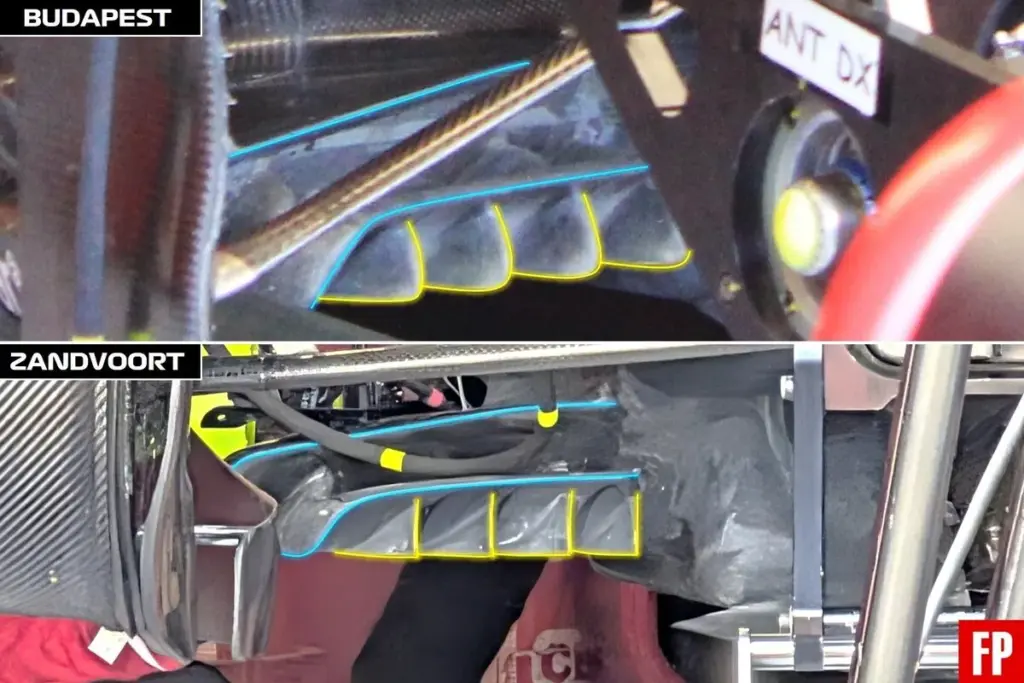
A new floor arrived on the SF-26 for the Dutch round, which led to an increase in downforce and a widening of the operating window. However, in a season where cars are still aerodynamically immature and the development curve has been very steep, the recent package from the Prancing Horse has not been as profitable as the previous ones. The risk now is that instead of closing the gap to Mercedes by the end of the year, this could even widen, as the Brackley team prepares to introduce a substantial package of updates in the next triple-header.
Qualifying Difficulties
Ferrari’s disappointing results also stem from a car that is more competitive in the race than in qualifying, but without the tools to capitalize on this characteristic. Exploiting good race pace on Sunday is possible if the track facilitates overtaking, which happens when there are long straights that allow energy management to differ between attacker and defender, but at the same time expose the power deficit of Maranello’s power unit. Conversely, when the track is more twisty and the engine deficit is contained, overtaking becomes difficult, placing emphasis on qualifying.
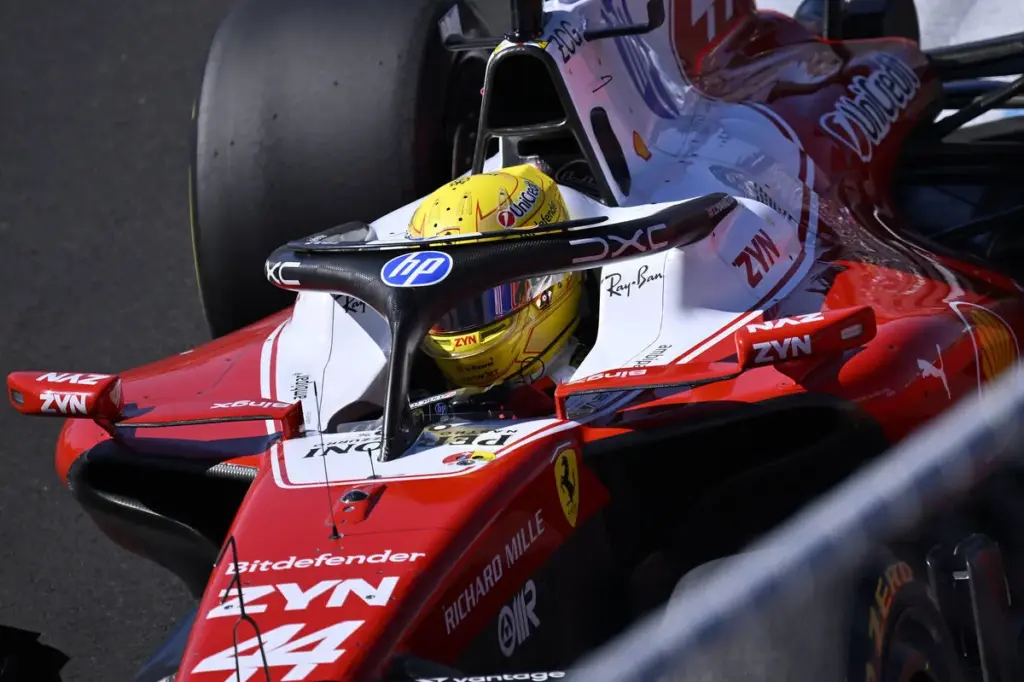
This is what happened in Budapest, Zandvoort, and Madrid, where Ferrari showed less incisiveness on Saturday, a characteristic that has continued since 2024. It is Frederic Vasseur and Loic Serra’s task to understand how much of this stems from a failure to optimize the setup for a single lap and/or some difficulty in properly preparing the tires on the out-lap. However, the problems are also intrinsic to the project and encompass the power unit’s performance on a single lap, but not only that.
Read more Martin grits his teeth in Austria: “We will evaluate later how to deal with the problem in the arm”
What comes under scrutiny is especially the basic concept of the SF-26, evidently designed to perform best over long distances. Although less extreme than in the ground effect era, current cars still suffer from the ride heights they operate at. Each therefore performs differently in various weekend scenarios, depending on whether it has been optimized for running with a full fuel load or at its maximum potential in qualifying.
Engine Still Behind
For Ferrari, however, the toughest race of all was the home race at Monza. The SF-26 paid the price for the lack of straight-line speed, partly due to greater aerodynamic drag compared to the Silver Arrows, but above all due to the shortcomings of the power unit. With the current power units, the lack of horsepower from the thermal engine shortens the energy management blanket, amplifying the time deficit. Having less exit power from corners forces greater use of the electric motor in the early acceleration phase to compensate, quickly draining the battery without then being able to use it to achieve high top speeds at the end of the straight. At Monza, Leclerc noted how from GPS traces it seemed that Mercedes could deliver electric power on all straights, while Ferrari had to choose the accelerations in which to do so.
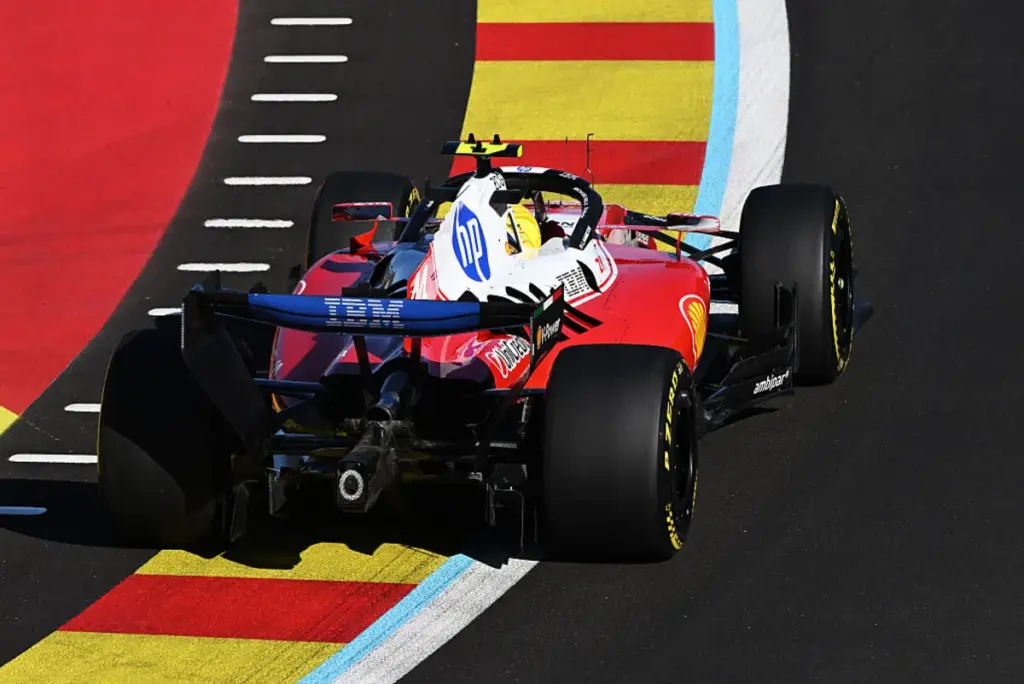
The ADUO-2 power unit that debuted in Brianza was not enough to close the gap to the Mercedes-powered cars. Vasseur recalled that engine development is physiologically slower than the aerodynamic part, due to long production times, including for units supplied to customer teams. That does not change the fact that the Prancing Horse has been dragging a performance deficit since the start of the year and it is unclear how much is due to inefficient combustion or to a concept that, overall, has not paid off. Power has suffered from the choice to sacrifice cooling for aerodynamic purposes and to install a smaller turbo to have more boost in slow corners, a decision also dictated by a starting procedure that the FIA then changed before the season began.
Missed Opportunity
Overall, the four races without a podium have inevitably compromised Ferrari’s hopes of competing for the constructors’ title. The feeling is of a missed opportunity, considering that the Prancing Horse is the only top team to have both drivers very close in performance. Hamilton’s retirement in Madrid was also one of the rare technical problems in a season very robust in terms of reliability. In Maranello, there is nothing left but to look to the remaining races, where, even more than defending second place in the championship from a charging McLaren, the priority will be to find a remedy for everything that clipped the wings of the SF-26.