








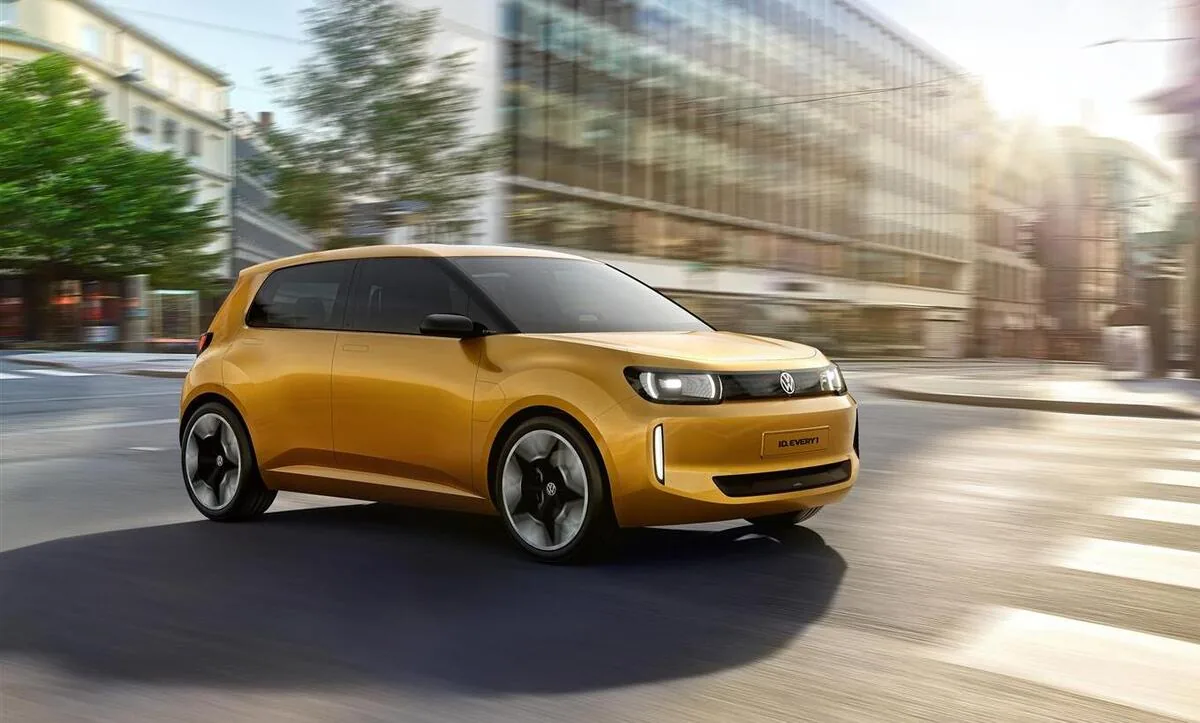
Over the next three years, 40% of Italians plan to purchase a new car. This is what emerges from the Sunrise Observatory promoted by the National Center for Sustainable Mobility: the study captures purchase intentions that reflect a market still in strong transformation, where price remains the first choice factor, followed by operating costs and safety. However, the propensity to purchase is conditioned by a series of economic and infrastructural constraints that affect not only technological choices but also the timing of the energy transition of the vehicle fleet. And electric cars are suffering from this.
Read more Toyota, Europe’s first Circular Factory is born
Italy lagging behind on electric cars
In the preferences declared by Italians, hybrids collect about 50% of preferences, while electric cars stand at around 12%. This data reflects the registration situation: in 2024 hybrids reached 50% of new registrations, but electric cars are stuck at around 6%, lower than gasoline cars (24%) and diesel (10%). Italy’s delay compared to other European countries, estimated at about five years, is linked to factors such as the spread of charging infrastructure, energy costs and the presence of incentives, as well as driving habits.
Hybrid first choice
The analysis of “total cost of ownership” contained in the report cited by Ansa emphasizes that there is no universally more convenient technology today. Combustion and hybrid cars are more advantageous for short routes and occasional use, while electric cars become competitive for high mileage and in the presence of home charging capability. Often the overall cost between different technologies is therefore similar, and depends heavily on external variables such as incentives, energy price and usage habits.
Read more Hyundai, rain of awards at iF Design Award 2026
Non-linear transition
Consequently, the transition is neither linear nor uniform, but requires differentiated strategies that take into account the plurality of situations of citizens and businesses. The report also highlights relevant structural trends: the Italian car fleet has exceeded 41 million vehicles, with an average age exceeding 12-13 years, and new registrations remain below pre-pandemic levels. SUVs are growing, which today represent about 62% of new registrations, while alternative ownership formulas such as leasing and long-term rental are increasing.