




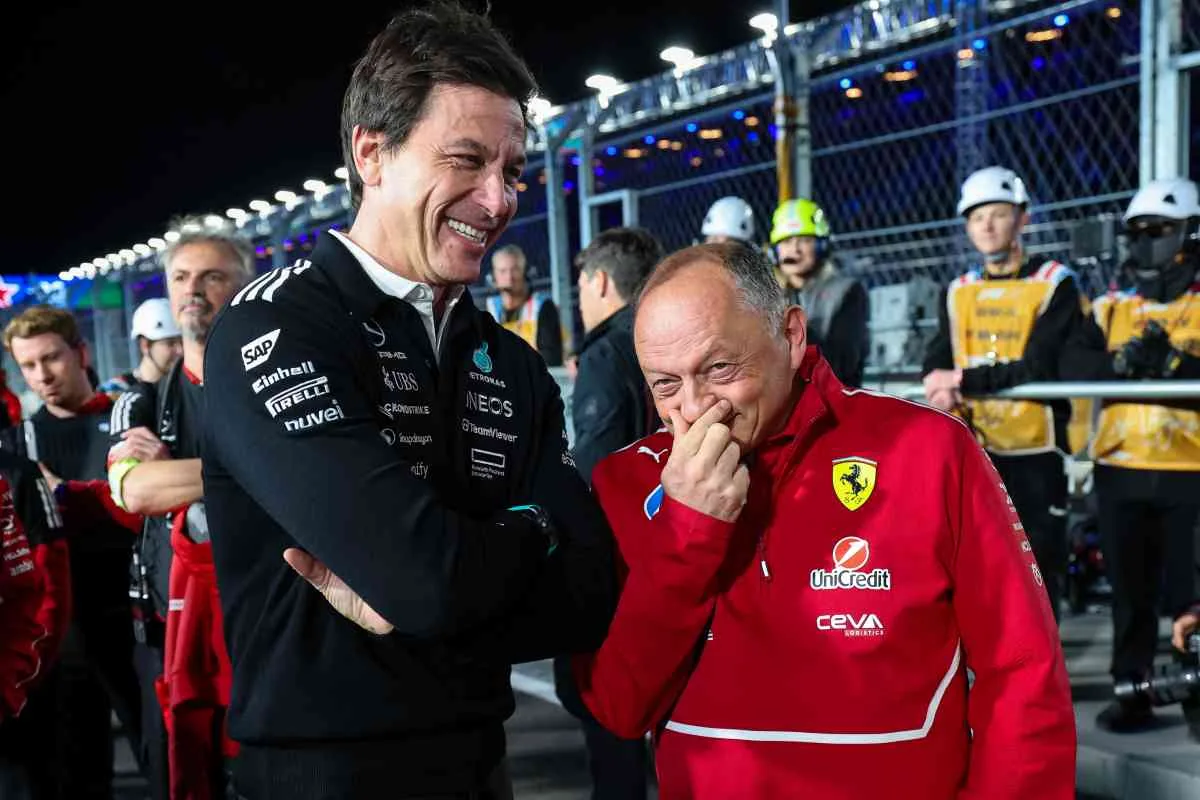
Toto Wolff’s reflections on Ferrari’s development progress have sparked numerous discussions about budget cap management. Never before like this year, the spending cap is the main bottleneck to introducing updates, which is why it is more than legitimate to worry about compliance. On the other hand, reducing everything solely to the number of declared novelties is highly reductive for a system influenced by many factors.
Read more Marquez like Haaland: charges Ducati and launches the ‘Viking Row’ towards the title – VIDEO
The number is not everything
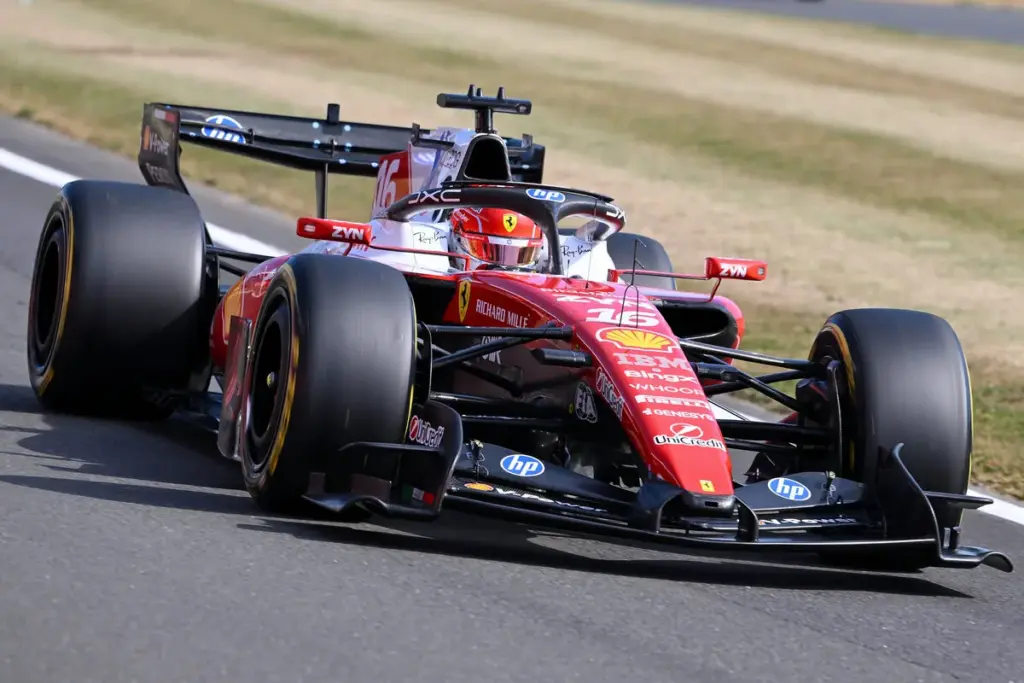
Following Toto Wolff’s words, there have been attempts to reconstruct development expenses starting from the number of updates reported in FIA documents. However, some clarifications are necessary. First of all, there are no uniform criteria to follow for declaring novelties, which leads to discrepancies in counting. Some teams, for example, are brief and only indicate a generic update to the floor, while others report individual interventions in various areas, such as the keel, side edge, and diffuser. Moreover, teams do not always produce updated components from scratch but simply modify existing ones, saving on the budget. It is also needless to emphasize that producing a new rearview mirror is not the same economically as producing a new floor, which is why costs can vary greatly even with the same number of developments.
It must also be considered that the Federation’s documents do not include all the novelties mounted on the car. Teams are required to declare only visible external modifications, while all others are excluded, including those to the rims, braking system, and weight reduction work. Furthermore, the FIA publishes the list of updates starting from the first Grand Prix of the year, without counting developments that already begin arriving during testing. Finally, from the outside, there is no way to know the production costs of the car at the beginning of the year, which in turn are influenced by the previous budget management.
Planning and organization
Development expenses, however, do not depend solely on the number of updates but on the entire organizational structure of the team. The biggest difference lies in internal production capacity and the need to outsource the manufacture of some parts. It goes without saying that the more you can do in-house, the more you save, mainly having to bear the cost of raw materials, especially carbon fiber and composite materials for aerodynamic parts.
Read more Steiner, what a slap to McLaren: “They should act like adults and build their own engine”
Another important role is played by development planning, both in terms of when and where to introduce novelties. Installing updates on the car as soon as possible allows immediate benefits but at the same time limits development time and thus effectiveness. Conversely, postponing their arrival, as McLaren and Mercedes are doing, allows concentrating many novelties in a single package, saving on producing multiple versions of the same component, but at the cost of going a long time without updates on the car.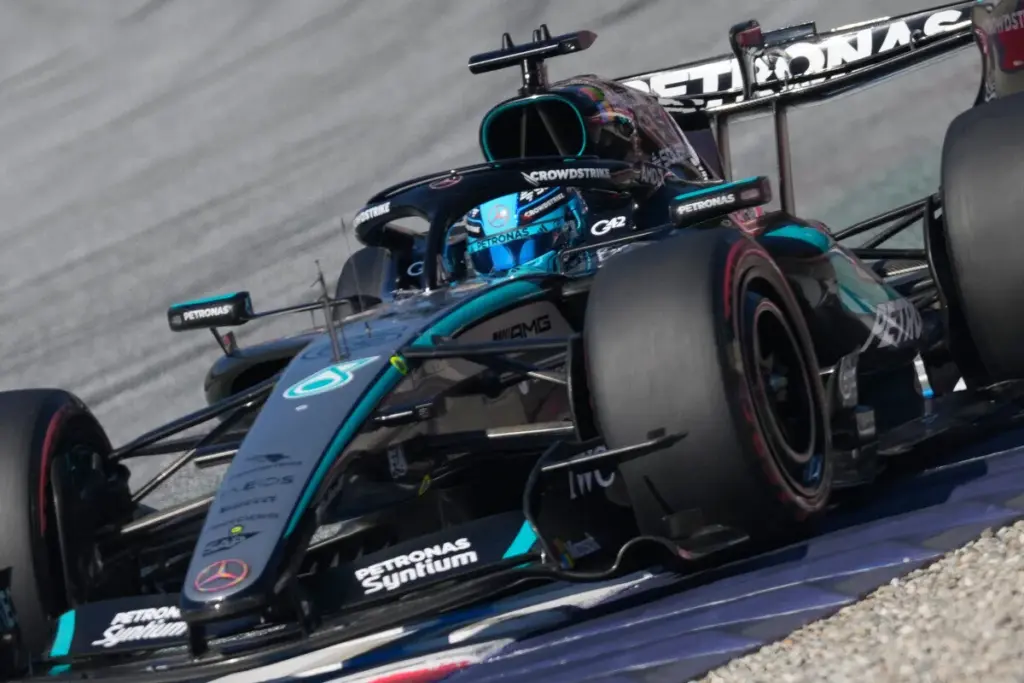
The development strategy, however, is also intertwined with the calendar. Introducing novelties at an overseas race is more expensive, having to pay for air transport of multiple parts, unlike European events, where most material moves by land. From this point of view, the cancellation of Middle East rounds has reduced some expenses but has led to an increase in others, considering that Ferrari had to postpone its updates to the subsequent and more distant Miami Grand Prix.
Legitimate concerns
Overall, making a direct association between the number of developments and economic outlay is a simplistic reasoning, but this does not diminish the importance of ensuring that everyone respects the budget cap. Since its introduction, the spending cap has always limited development work, but never like this year, especially compared to the previous one. In 2025, Formula 1 was at the end of a technical cycle and the gains teams found in the wind tunnel were already minimal, which is why updates arrived on track only when worthwhile.
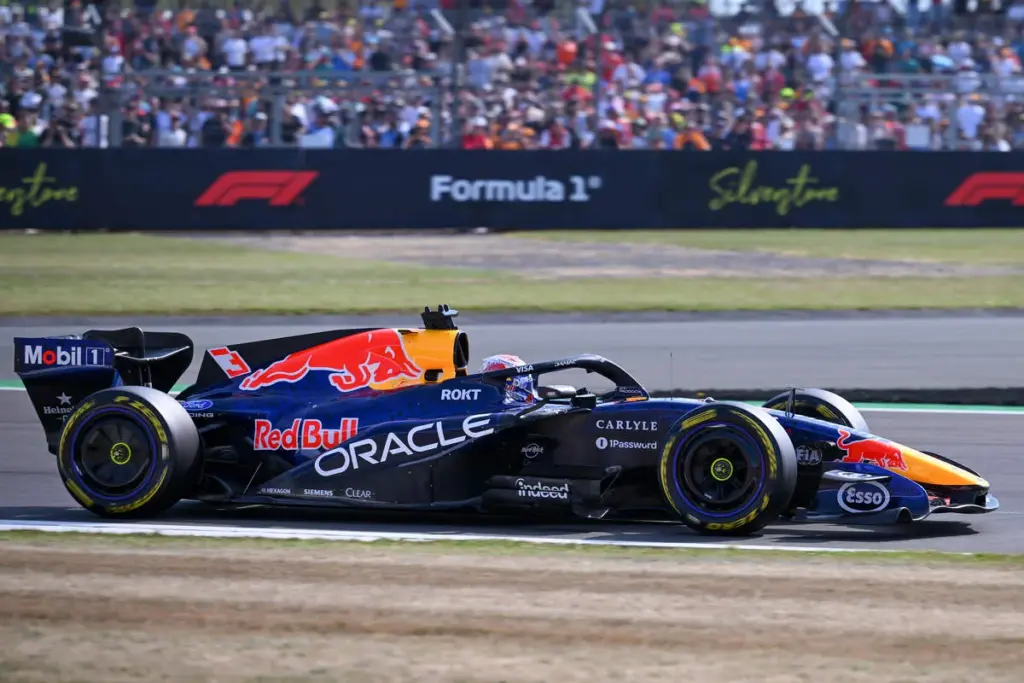
The situation is completely different this year, marked by one of the greatest technical revolutions ever. Teams’ understanding of the physics of the new regulations is still very immature and at every CFD or wind tunnel analysis session, large gains on the stopwatch continue to be found. All this reflects a development race and an unprecedented workload for production departments, as observed by Andrea Stella: “In 2026 we see Formula 1 operating at a level never seen before. […] The battle on performance development, but also in bringing this performance to the track, is at the highest levels ever.”
Read more World Team and Constructors in a single weekend: Ducati’s joy at Donington