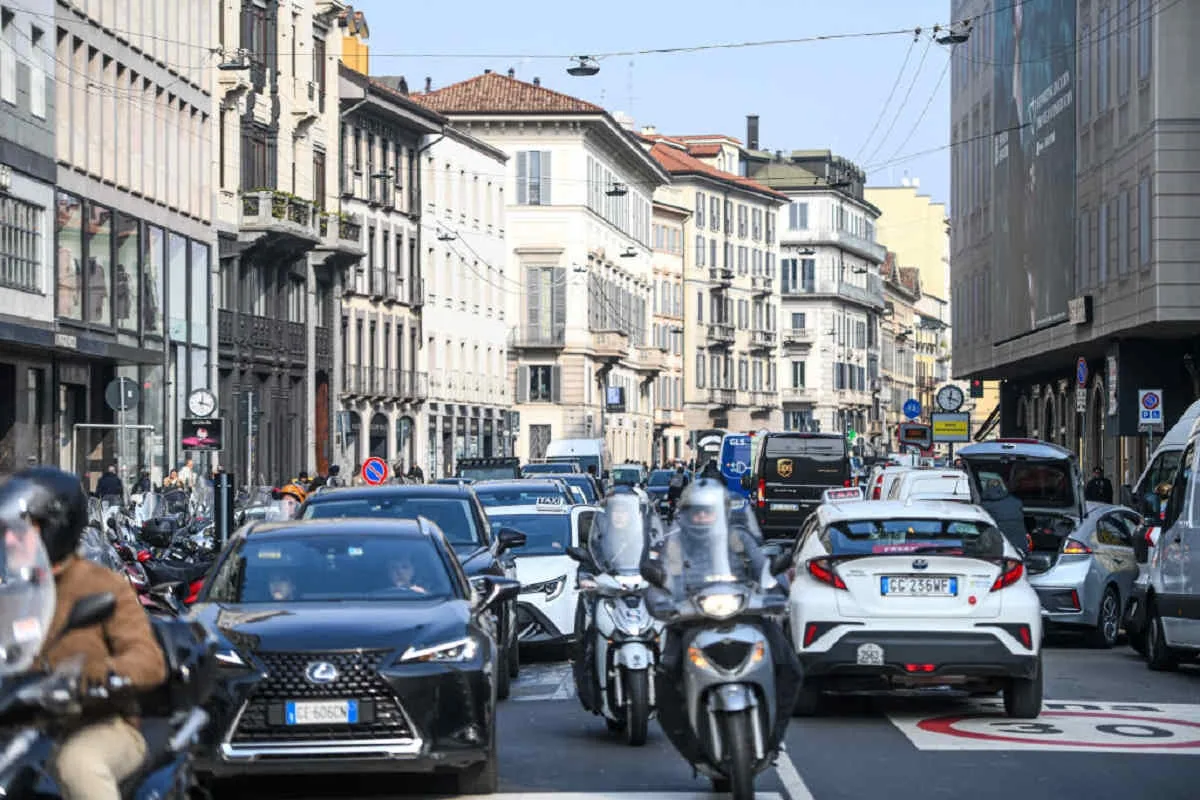
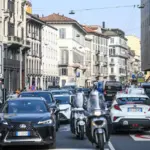



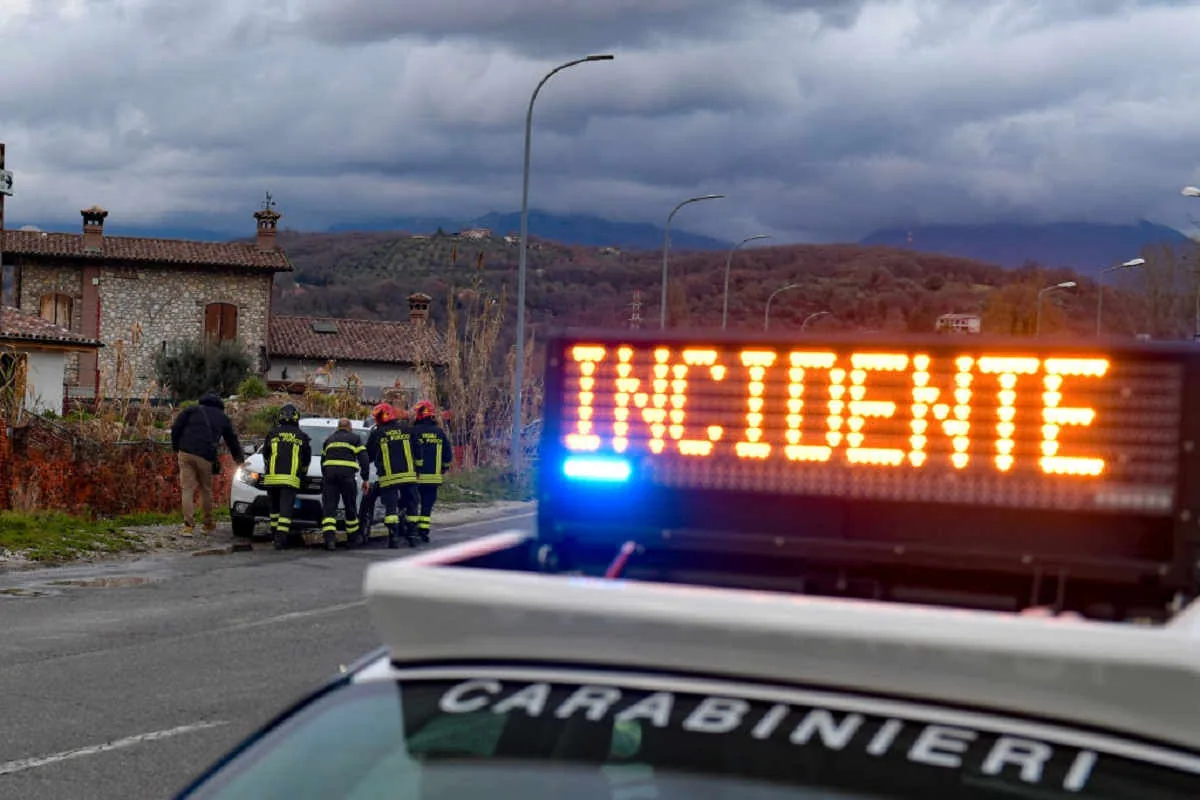
Two hundred sixty-eight fewer victims. It would almost sound consoling, if it weren’t for the fact that in the meantime accidents have increased and so have the injured. It’s the usual statistical dance of Istat: one step forward, two to the side, one back. Italian roads, in 2025, produced 177,207 accidents, 2,868 deaths, and 237,822 injuries. Numbers that, if you read them on a war bulletin, would make your stomach tighten. But these are numbers of peace, of ordinary administration. Everyday deaths, everyday injuries, everyday distractions.
Read more Haas increasingly in crisis: five consecutive races without points
Distraction, failure to yield, inappropriate speed. The report lists them with the coldness of a medical examiner. The human factor, they say. As if the human were an option, and not the very substance of the matter. The car, after all, is just an extension of our character: impatient, distracted, convinced that yielding is an opinion and the highway code a novel to be leafed through quickly.
The driving schools’ strategy
Then comes UNASCA, the Union of driving schools, and says something banal and therefore revolutionary: fines are not enough, controls are not enough, rules are not enough. Training is needed. Investing in training. As if, after a century of the combustion engine, we suddenly realized that sitting behind the wheel is not a natural right, but a dangerous job that must be learned.
Alfredo Boenzi, national secretary of the driving schools, talks about “aware drivers.” Driving schools, he says, are the first stronghold. Not only the place where you learn to parallel park and not to crush the pedestrian on the crosswalk, but where you should learn that every choice behind the wheel is a moral choice. That the other exists. That the road is not a private arena.
Read more Hungary 2026, the other podium
It’s a kind idea, almost naively kind, in a country that for decades has treated road safety as a matter of traffic lights and speed cameras. As if the problem were the car, and not the one who drives it. As if just putting a radar were enough to educate a man.
Investing in training, concludes Boenzi, means investing in the country’s safety. Every avoided accident is a concrete result for the community. He is right, of course. Only the community, when behind the wheel, tends to forget it is one. It prefers to feel alone, free, a little distracted, a little in a hurry. And so, year after year, it continues to write the same war bulletin in peacetime.
Read more F1 Budapest, the chaos with the blue flags and the GPS system somewhat clears Carlos Sainz