


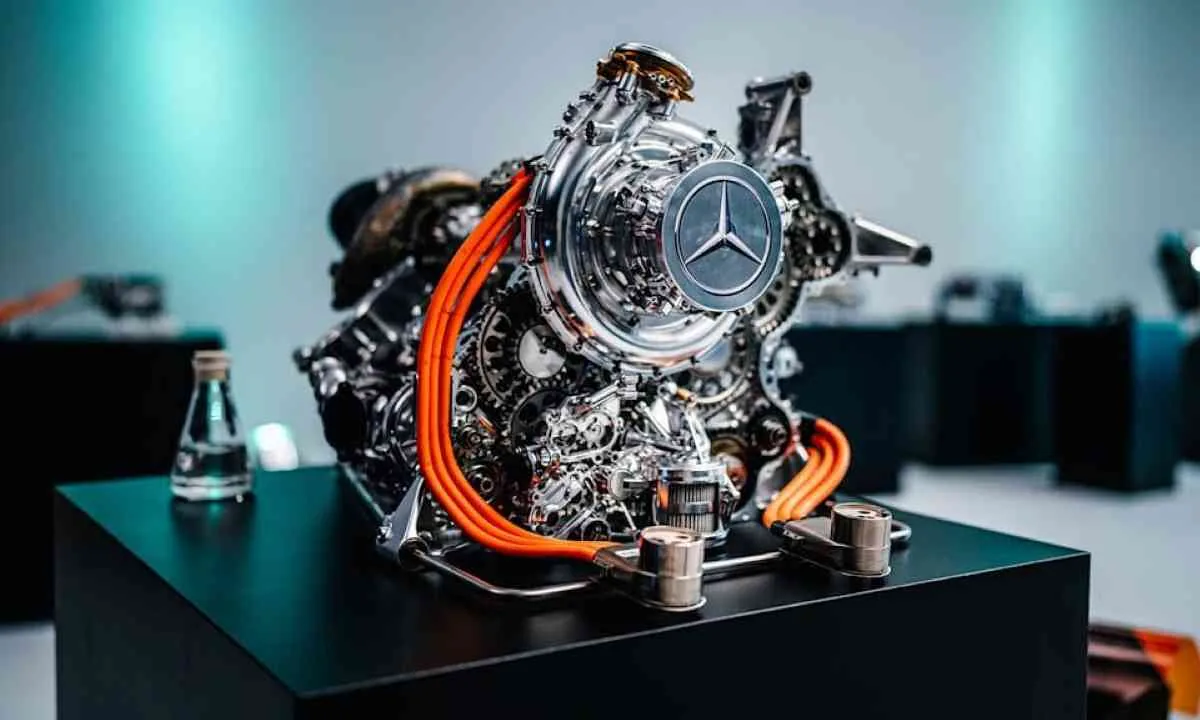
The arrival of June marks the entry into force of the new procedure for verifying the compression ratio of the thermal engine, a novelty that mainly concerns Mercedes-powered cars. This is an issue that has been ongoing since last year and will have further developments in 2027, when the cold test will disappear completely. The Brackley team does not seem worried, the FIA assures that the gain guaranteed by the solution is minimal and even the competition has little hope in the change, but it will be only the track that will give the final verdict.
Read more Ferrari 499P, here comes the EVO: “It will be more than just a few tweaks” – VIDEO
What changes
As established by the additions to the technical regulations approved last February, from June 1 a second procedure for verifying the compression ratio debuts, one of the most important parameters of the thermal engine, which indicates how much the pistons compress the air-fuel mixture in the cylinders. In addition to the test carried out at room temperature, from now on the maximum value of 16 will also have to be verified through a measurement at 130°C. It will be the responsibility of the individual engine manufacturers to design the procedure, following the instructions described in an official document, with subsequent approval by the FIA.
To all this is added a further novelty. The new rule explicitly states that every “component, assembly, mechanism or arrangement of integrated parts designed or functioning to increase the compression ratio under operating conditions beyond 16 is prohibited.” Mercedes’ rivals, however, believe that maintaining the room temperature test is an advantage for the championship leaders. The competition will not be able to modify their engines to start from a higher compression ratio when cold that then stabilizes at 16 once operating temperatures are reached. To do this, it will be necessary to wait until 2027, when the room temperature verification will disappear completely from the regulations.
A long saga
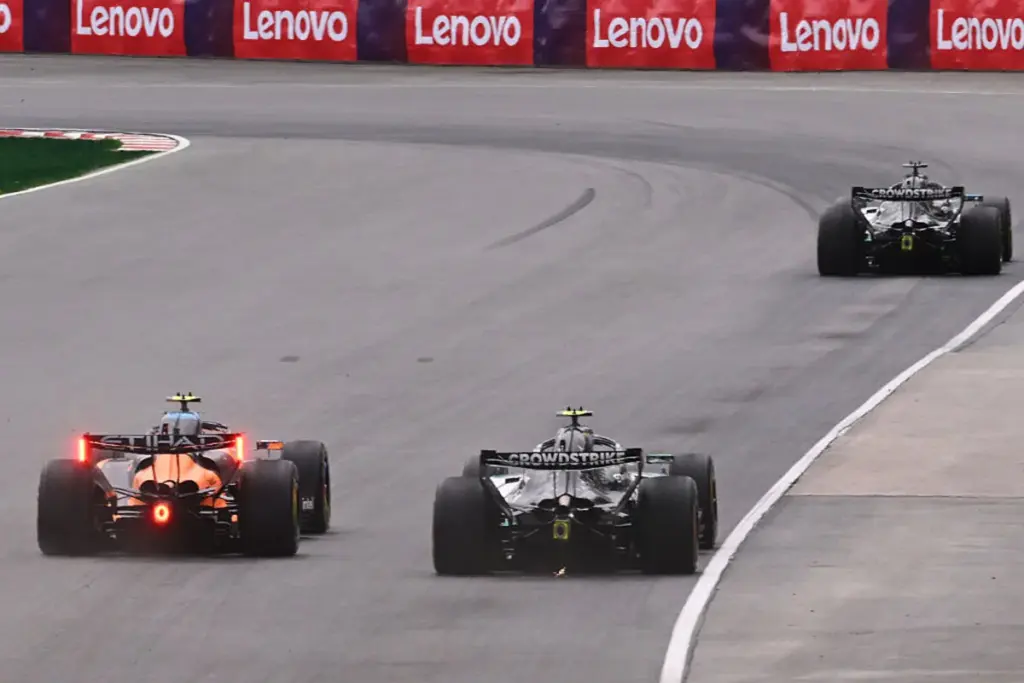
The June changes are just the latest piece in a long series of events that began last autumn. Mercedes surprised the Federation by finding a way to control the evolution of the compression ratio as the engine temperature rises. In October, the FIA clarified a first ambiguity in the regulations on the matter, specifying that compression ratio measurements would be carried out at room temperature, as is standard practice in the automotive industry. In February, a further addendum appeared, clarifying that all numerical values in the engine section of the regulations, including the compression ratio, are static references at room temperature unless otherwise specified.
Read more Sharpness and the momentum of Stellantis in key markets
On the same occasion, the Federation defined the new rule valid from June 1, which provides for the introduction of a second test at 130°C and the explicit ban on solutions that increase the compression ratio. Speaking to the press, Nikolas Tombazis, director of the FIA single-seater department, commented on what Mercedes did, defining it not as something wrong or cheating, but stating that “perhaps it was outside the normal intentions of the regulations.” According to the Greek engineer, the Federation’s subsequent intervention was intended to avoid encouraging the entire Formula 1 to invest in exotic materials or other solutions that, according to the organizers, would go against the spirit of the sport.
Effects to evaluate
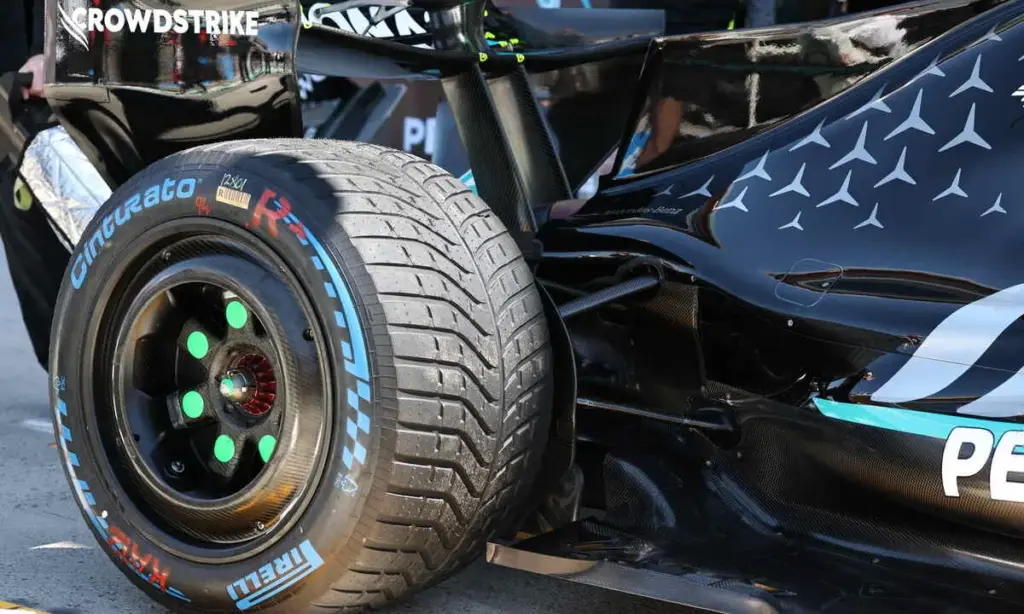
On the eve of the Miami Grand Prix, Tombazis assured that the advantage of the Mercedes engine solution was minimal, relegating the media hype on the issue to a case of collective hysteria. The same Brixworth engine manufacturer does not seem particularly worried and neither does the competition place great hopes in the introduction of the hot test, but only the track will be able to provide the counterproof. Monte Carlo has always been an atypical event that places little emphasis on engines, which is why the circled appointment on the calendar is the Barcelona Grand Prix.
Click here to add FormulaPassion as a preferred source on Google Discover: you will find our content more easily!
Read more Di Giannantonio: “I wanted to win, it bothers me a bit. Aprilia is superior to Ducati”