




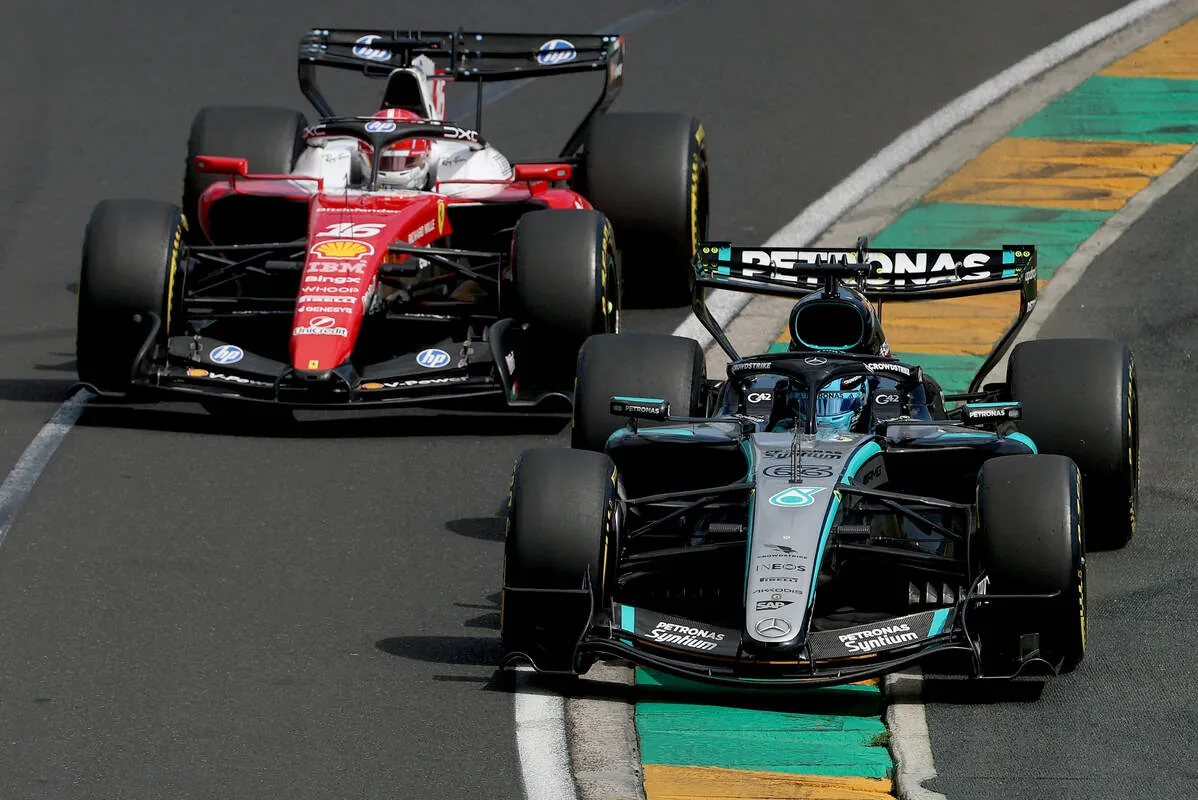
In the end, Formula 1 had to surrender to the evidence. Maintaining the 50:50 ratio between thermal and electric power was simply unsustainable without sacrificing too much performance. While on one hand the engine modifications come with the hope that the on-track scenario can improve, on the other hand they are not free from technical and sporting complications. Adapting cars and power units will not be straightforward and the ADUO will be an even more valuable help for those who benefit from it.
Read more 6 Hours of Spa 2026, Qualifying: first pole position for Peugeot and Jakobsen
Tight deadlines
There are about nine months left until the debut on track of the 2027 single-seaters, but the timing is tighter than one might think. Increasing the fuel flow to extract more power from the thermal engine requires a whole series of collateral modifications. For example, the turbo will have to be adjusted to provide the air necessary to burn the extra gasoline, while the V6s will need to be modified to withstand the greater stresses. The work of the engine manufacturers will also have to take into account the production times of the various parts, which are longer for those manufacturers supplying power units to multiple customer teams, with Mercedes leading followed closely by Ferrari.
The increase in fuel flow will also lead to higher consumption, raising the costs related to the production of alternative fuels, which have already proven to be particularly high. It will then be necessary to provide larger tanks, complicating the plans of those who were thinking of reusing the current chassis next season as well. In general, all teams will have to revise their 2027 projects, far from being finalized but already underway.
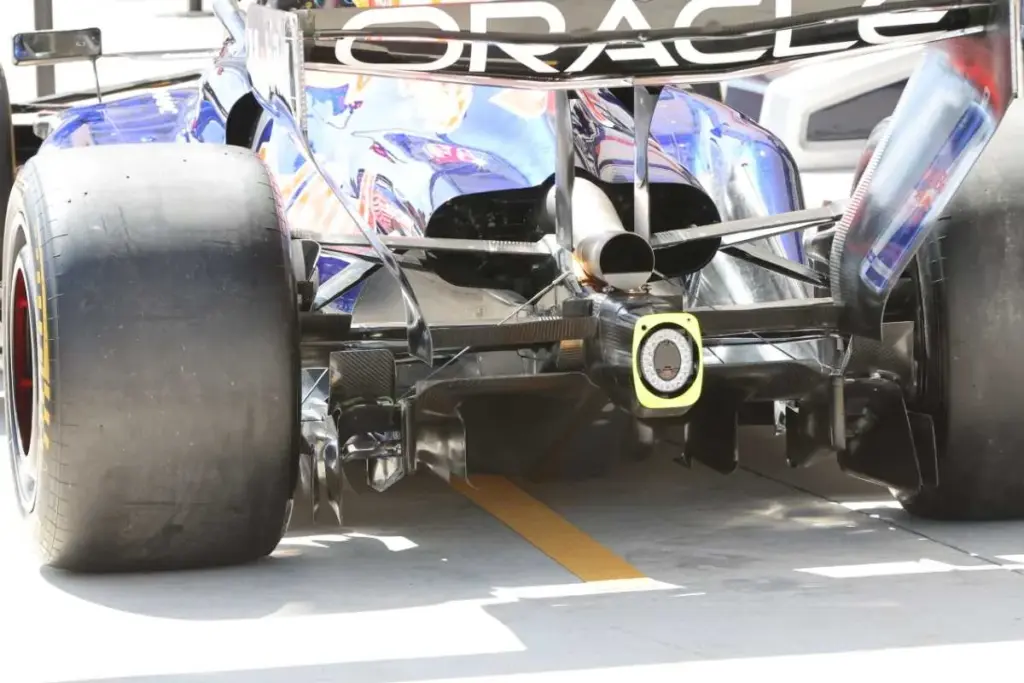
It remains to be seen what will be decided regarding the battery. Even if the capacity remains the same, the 50 kW derating of the hybrid part will mean that, without modifications, the current batteries will be unnecessarily heavy and the same will apply to the electric motors. As the regulations are written today, engine manufacturers will not be able to update hybrid components until 2028. It is likely that the FIA does not intend to break this plan, even if it means that for one year the cars will carry unnecessary weight.
The link with ADUO
It is inevitable to wonder who will benefit most from the changes. The instinct is to say whoever has the most powerful engine, currently Mercedes, since this will have an even more significant weight when the ratio between thermal and electric shifts from 50:50 to 60:40. However, the reality is more complicated, because much will depend on which power unit concept proves to be the most suitable. A revolution is unlikely, but work will still be needed on the internal fluid dynamics of the cylinders and to optimize combustion strategies.
Read more Volkswagen thinks about an ID Polo GTI Clubsport
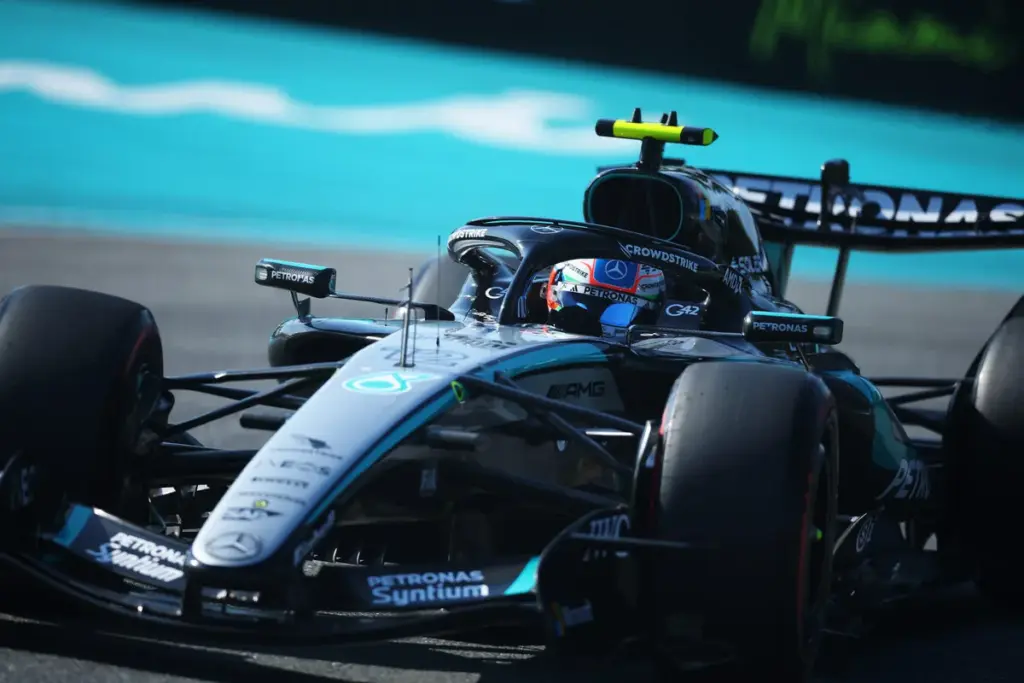
All this intertwines with the very delicate issue of ADUO. After Canada, the FIA will grant delayed engine manufacturers extra development opportunities, which include budget cap relief and additional hours for bench testing that can also be invested in the 2027 project. In fact, the concessions will ensure an advantage to prepare for next year’s changes, but their allocation will be based on the performance of the current power units, which will presumably generate some discontent within Mercedes.
Surrendering to the evidence
There is also the further knot to untie related to aerodynamics. Just in recent days, The Race reported the FIA’s intention to introduce aerodynamic changes for next year, aiming to reduce downforce, lengthen braking distances, and better recharge the battery. The interventions on the power unit could make these restrictions unnecessary, but one operation does not exclude the other.
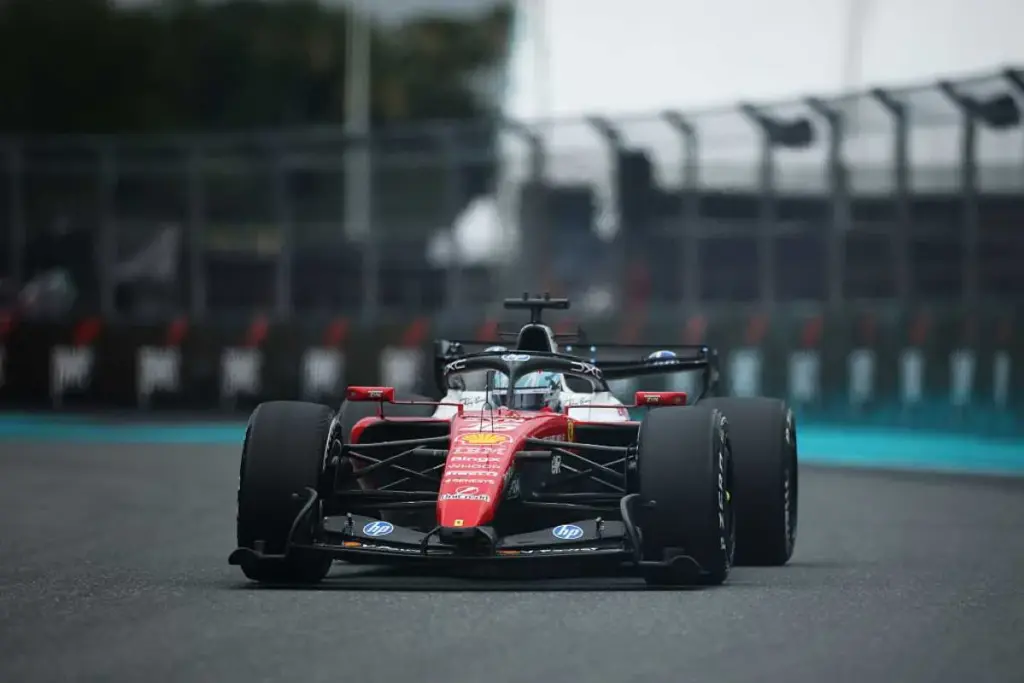
The hope, at least, is that the efforts will lead to a general improvement of the situation on track. The decision to revise the power units comes after the realization in Miami that the regulatory corrections were not enough to solve all the problems, often forcing drivers to still drive far from the grip limit to preserve the battery. In fact, for the organizers it is a surrender to the evidence, which confirms the unsustainability of the initial plan for a 50% electric Formula 1. More than trying to follow and anticipate the evolution of the automotive industry, the mistake, if anything, was the excess of ambition, stubbornness, and confidence in their own abilities, deluding themselves that they could manage the many problems that simulations have shown for years. Formula 1 now comes back down to earth, immediately showing a greater practical sense in the approach to the 2031 regulations.
Click here to add Formula Passion as a preferred source on Google Discover: you will find our content more easily!
Read more Toyota 12th at Spa, Kobayashi: “The lap was good, only the strategy remains”