








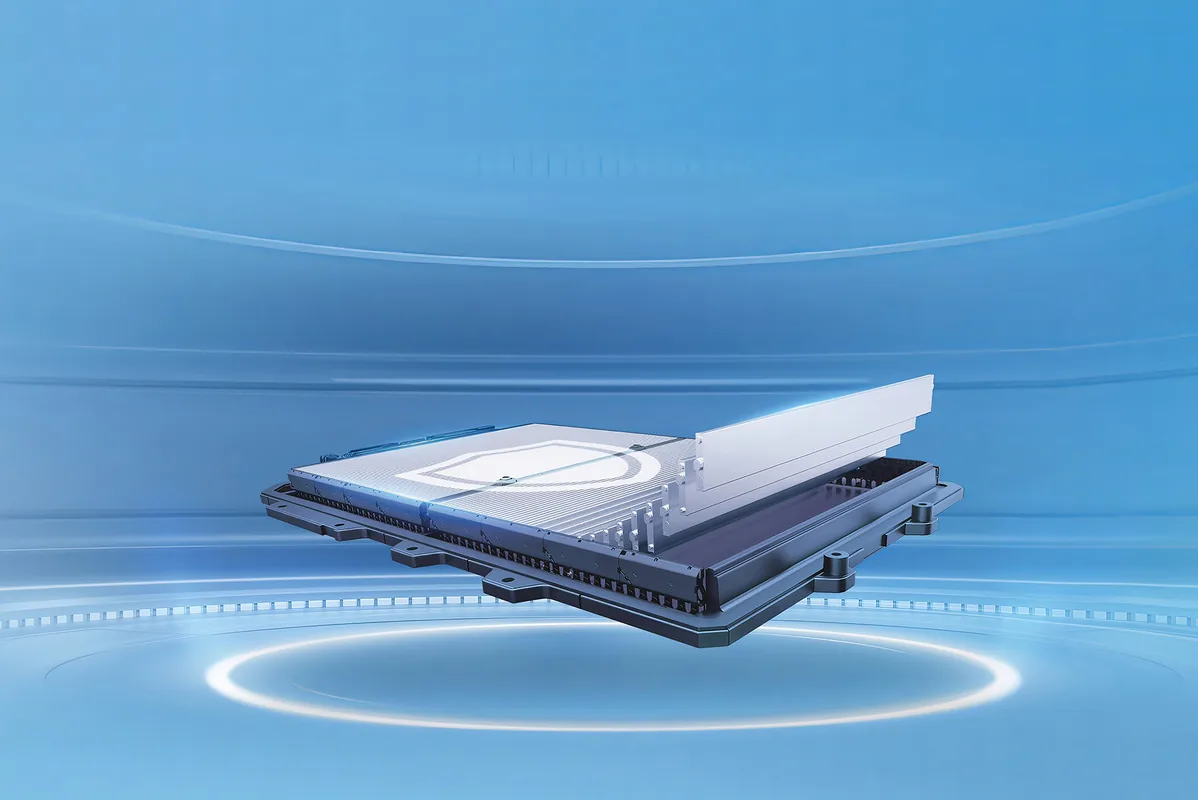
BYD has presented a technological leap that promises to remove the final barriers to the large-scale adoption of electric vehicles. At the heart of the proposal are two complementary innovations: on one hand, the FLASH Charging system, capable of delivering up to 1.500 kW via a single connector; on the other, the Blade Battery 2.0, the second generation of the manufacturer’s historic LFP battery. Together, these solutions allow for ultra-fast charging in realistic conditions: from 10% to 70% in just five minutes and from 10% to 97% in nine minutes.
Read more Hamilton dances the Macarena: “I thank the team. It wasn’t expected to have it here already”
BYD revolutionizes electric mobility
Even in extreme cold conditions, down to -30 °C, the FLASH Charger maintains high performance, taking a Blade Battery 2.0 from 20% to 97% in about 12 minutes. The Blade Battery 2.0 is not only designed for charging speed: BYD also claims a 5% improvement in energy density, which translates into significantly longer ranges, with estimated figures exceeding 1.000 km according to the Chinese CLTC homologation cycle.
New Blade battery
To achieve a balance between specific energy, charging speed, safety, and durability of this kind, the Chinese company has introduced the “FlashPass” ionic transport system, based on three pillars of innovation such as the “Flash-Release” cathode, AI-optimized “Flash-Flow” electrolyte, and multidimensional site “Flash-Intercalate” anode, in addition to an ultra-thin, self-healing SEI layer. Thanks to these solutions, internal resistance is reduced, heat generation is limited, and capacity degradation is contained compared to the previous generation.
Read more Bearman: “We will demonstrate why we deserve to fight in the top positions of the midfield”
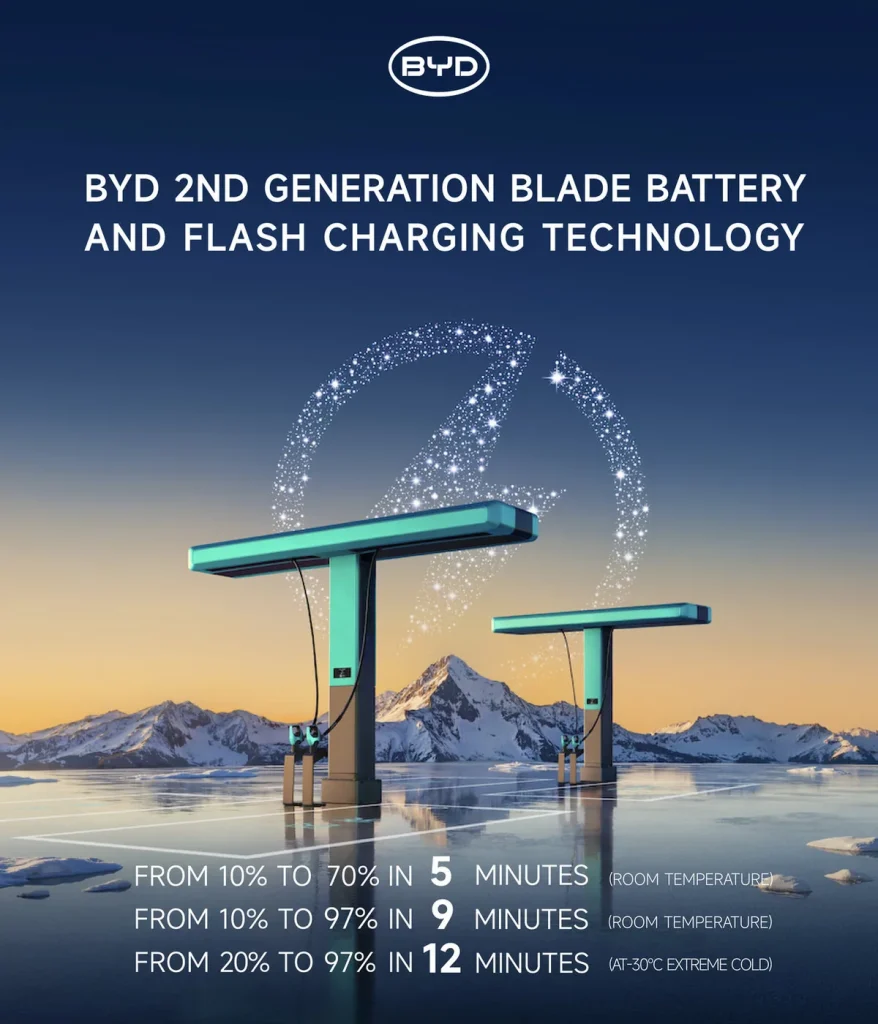
Ultra-fast charging
Safety and reliability remain pillars of BYD’s strategy: the Blade Battery 2.0 has passed rather extreme tests, including the world’s first simultaneous FLASH charging and Nail Penetration Test, without thermal runaway, smoke, or fire phenomena, even after 500 FLASH charging cycles. In further thermal stress and forced short-circuit tests, the battery has withstood temperatures over 700 °C without explosion or fire.
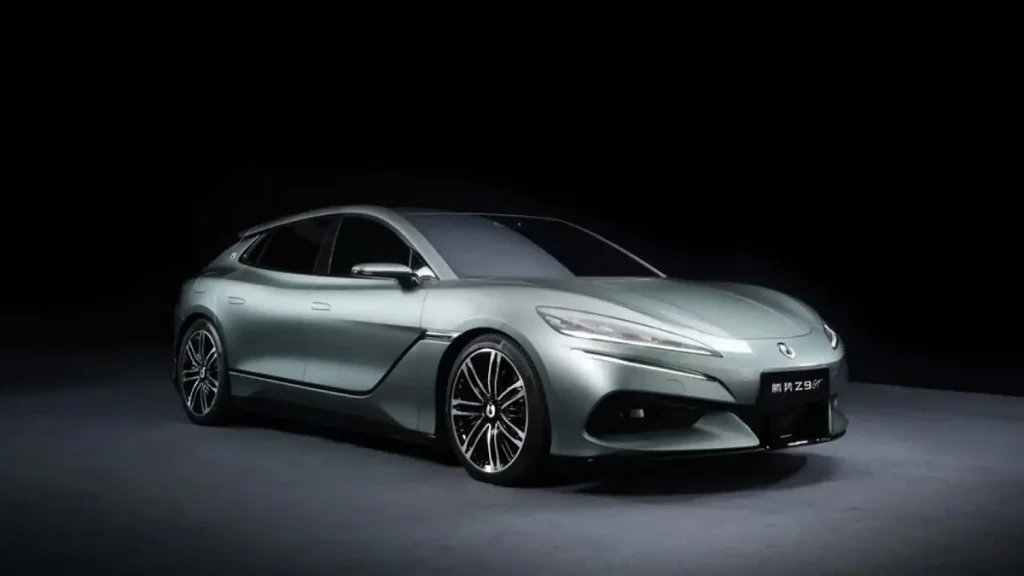
Expanding BYD charging network
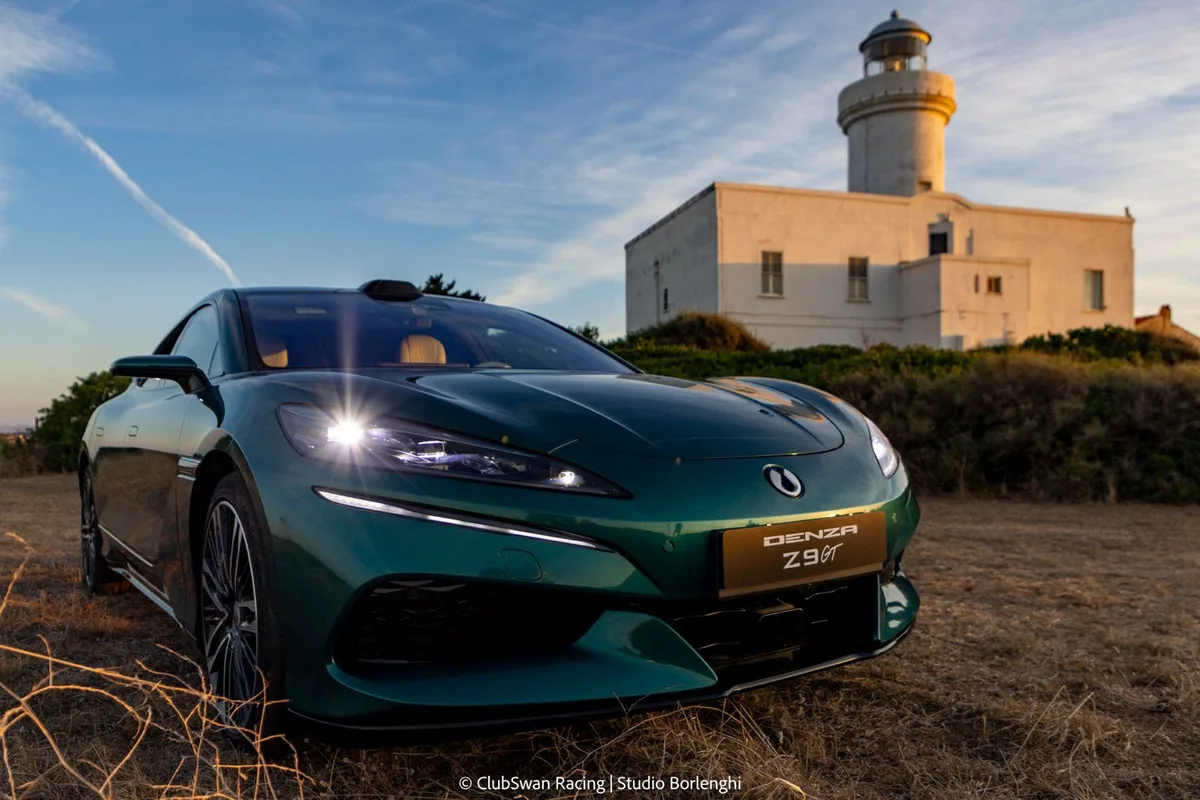
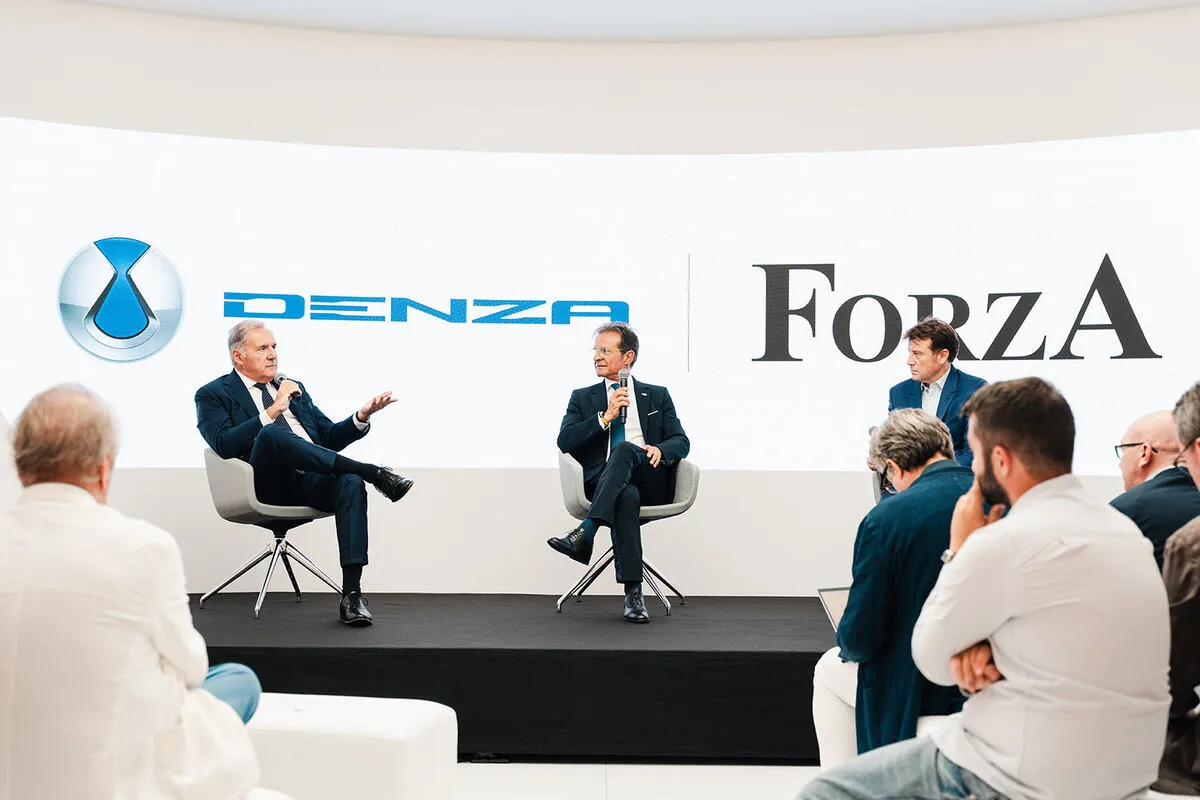
On the infrastructure front, the FLASH Charger is not just about power: the T-design lifts the connector and cable off the ground to improve hygiene and ease of use, while the system includes a series of accumulators for peak management and to reduce dependence on the local grid. The Chinese company has already installed over 4.200 FLASH stations and aims for 20.000 by the end of the year, with a rollout plan also in Europe, where the network will have to adapt to varying infrastructural contexts. The European launch will start with the DENZA Z9GT, the first car destined for customers in the Old Continent equipped with FLASH Charging and Blade Battery 2.0, followed by the progressive introduction of the batteries on DENZA models.