
The Max of Mercedes
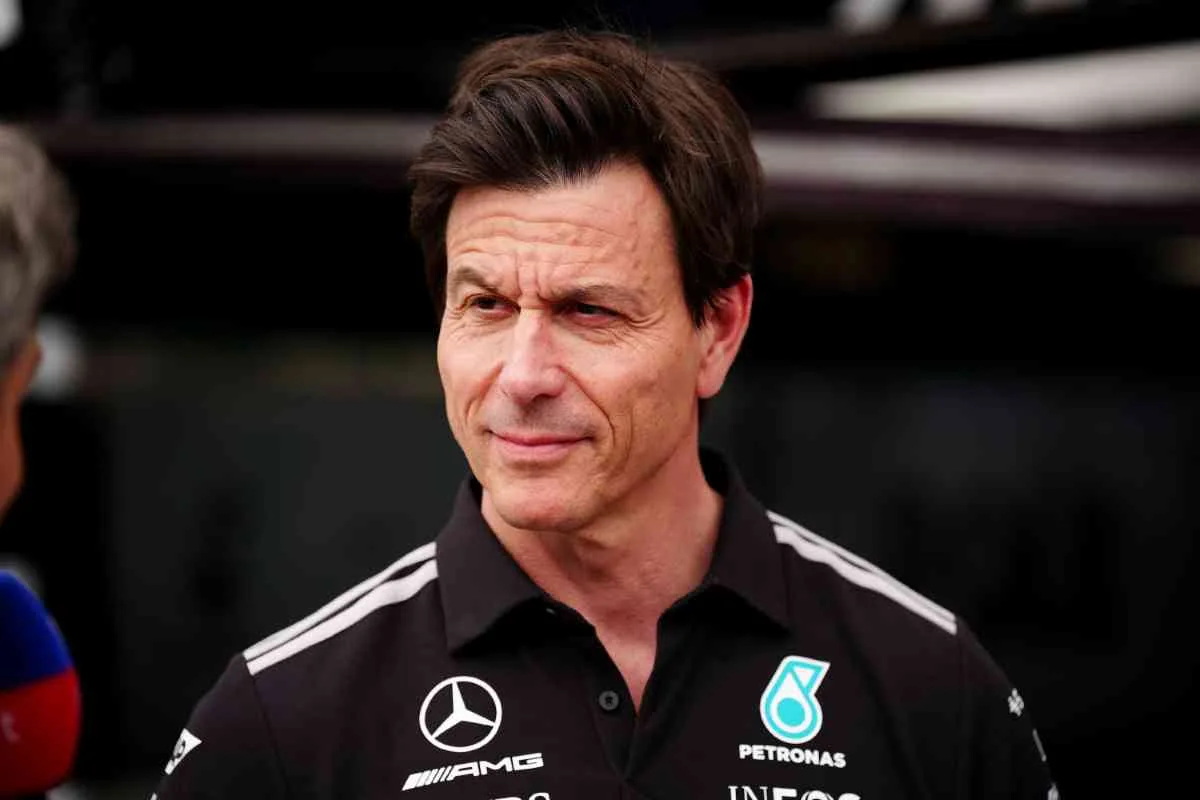
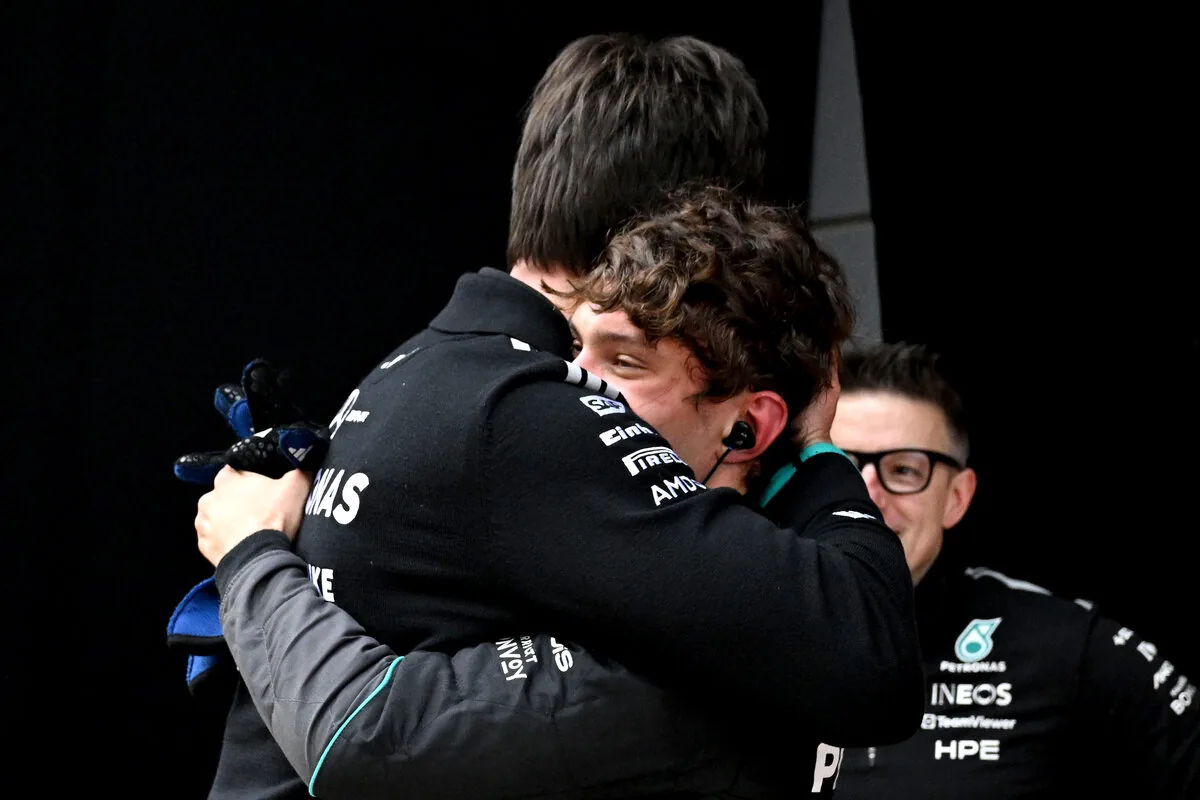
After long trying to sign Max Verstappen, Toto Wolff tried to solve the problem at its root and ‘build one in-house.’ Obviously, this is a simplification, but there is no doubt that the exploits shown in these first 2026 GPs by Andrea Kimi Antonelli – author of two poles and two wins in three races and current World Championship leader (the youngest ever) – as much as ‘facilitated’ by a dominant car, can recall certain feats achieved by the young Verstappen.
Read more Bearman: “The incident at Suzuka? Now I am fine, the knee has deflated”
Antonelli, however, perhaps even more than Verstappen, had a far from simple debut season in Formula 1: alongside some extraordinary results – for example, the fourth place obtained in his debut GP and the three splendid podiums of the season – there were several mistakes and dry spells that led the very young Bolognese talent to experience a real emotional and confidence crisis towards the end of the first half of the season. A difficult moment that the driver overcame brilliantly thanks also to the support of the team and Toto Wolff himself.
Dig at Red Bull
During a long and interesting interview given to the site The Athletic Wolff spoke precisely about his way of managing young drivers and in particular Antonelli, launching a not even too veiled dig at the now historic rivals Red Bull, known – at least under the Horner-Marko management – for a certain impatience towards their young talents: “I was a driver too, so I understand the pressures these guys are under – Wolff explained – and these are pressures on multiple fronts. When we see an emerging driver, obviously we evaluate him based on talent, pure speed, growth ability, but also pressure management. Because in F1 it’s all about pressure and how to manage it while still being able to perform at your best“.
Read more Market 2027: if Verstappen leaves the Red Bull dream is to get Piastri
Then, here is the sentence that must have made ears ring in Milton Keynes: “If you look at the policy of other junior teams, they fire drivers if they don’t perform well after three races – Wolff stated – we did the opposite with Kimi. Basically, we put an eighteen-year-old in the team who had the best resume of any junior driver in karting and lower formulas, but who made many mistakes in his first year. People harshly criticized us for this choice. They said he was too young, that he made too many mistakes and that we were burning him out. But it was an absolutely calculated risk. We knew it would happen in the first year”. The results, for now, seem to give Wolff reason.
Read more Kobayashi ready for Toyota’s 100th race at Imola: “We have been waiting for the new car for a while”