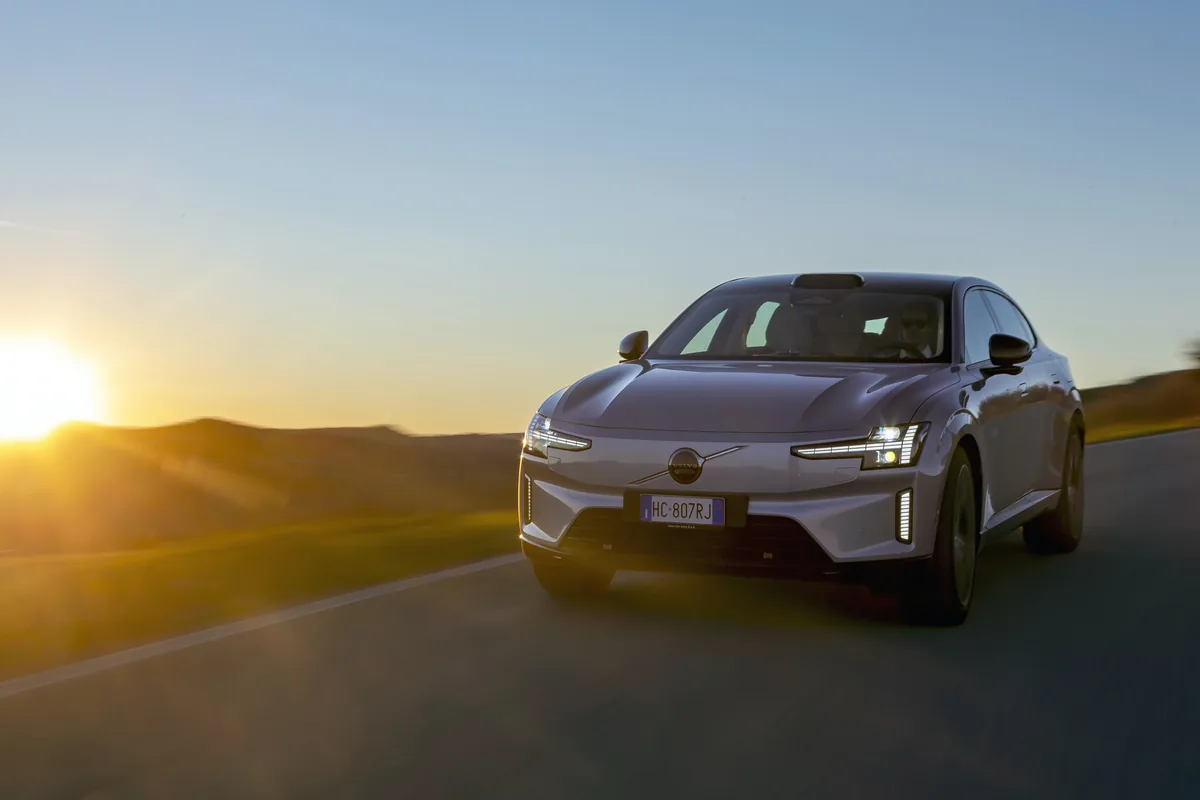









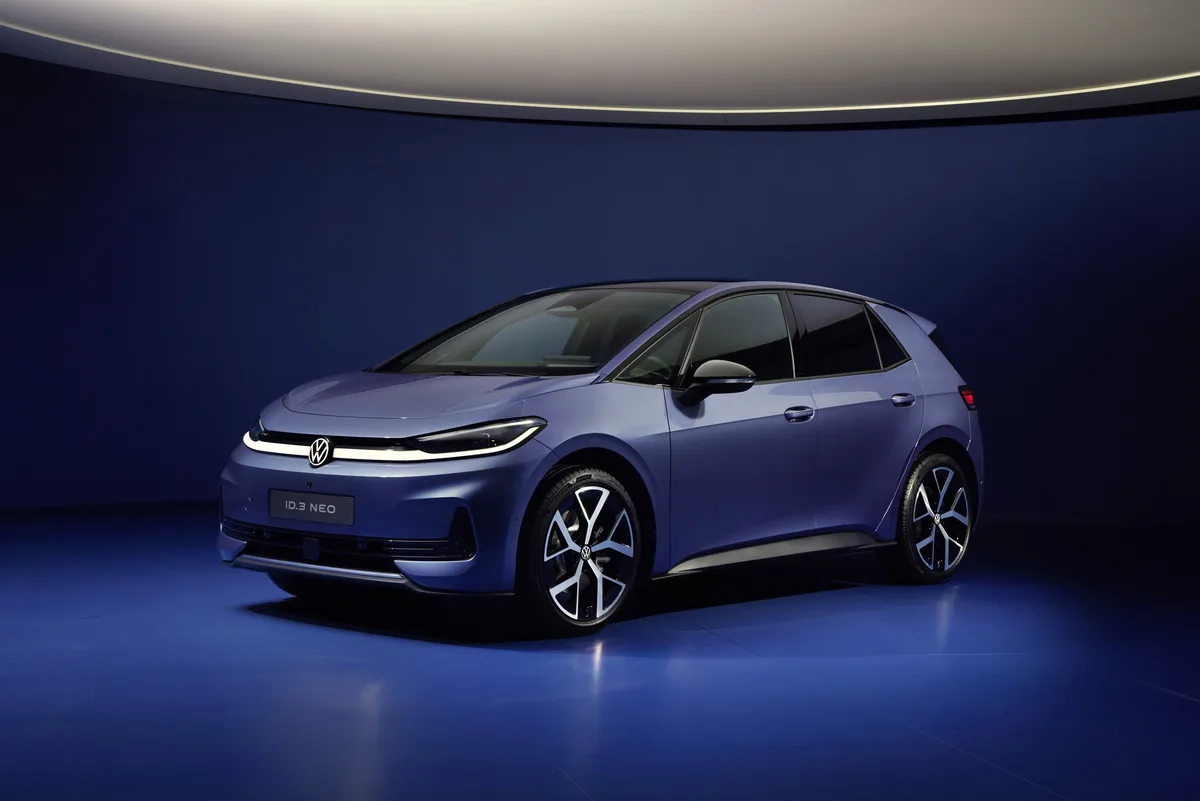
Volkswagen ID.3 is renewed. And it takes on a new name: ID.3 Neo. It changes in many ways. Aesthetic first of all: the new front end steals the show, with the design of the headlights so renewed as to give the ID.3 Neo the new face of the ID family. The interiors are also new: they have been designed to offer greater comfort and intuitive use, and enjoy a high standard of quality. Improvements also concern technology: among the options is the new Connected Travel Assist with automatic traffic light recognition.
Read more Ducati on track at Misano: Pirro debuts the Desmosedici GP27
Volkswagen ID.3 Neo is renewed
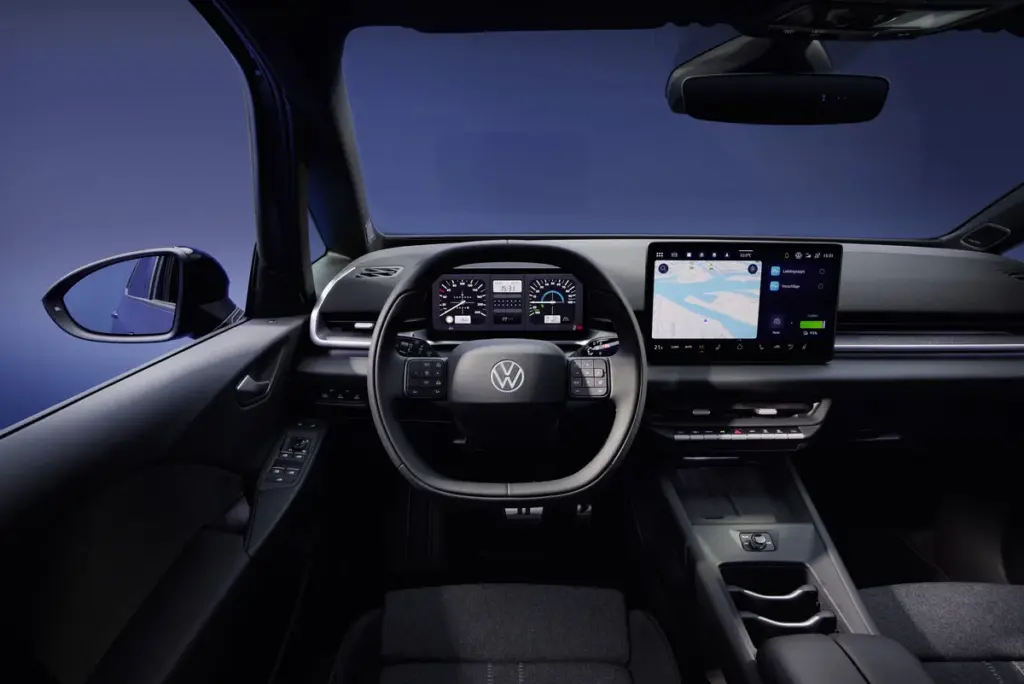
A closer look at the cabin. The new Innovision infotainment system materializes in a 10.25″ Digital Cockpit and a 12.9″ central display, both characterized by great graphic fluidity and remarkable ease of use. As for the interiors themselves, Volkswagen has chosen high-quality and pleasant-to-the-touch materials. The horizontal arrangement of lines and surfaces combines with new ergonomic and intuitive controls, but also with easy-to-grip buttons and selectors for central functions. The multifunction steering wheel has also been completely redesigned, with a flattened rim at the top and bottom and button panels with a clear structure.
Range and powertrains
At launch, the new Volkswagen ID.3 Neo will be available in the three trims Trend, Life, and Style and with three power levels, as well as three different battery capacities. The electric motors develop power of 125 kW (170 hp), 140 kW (190 hp), and 170 kW (231 hp) respectively. The 125 kW version is paired with a battery with an energy capacity of 50 kWh, and is the standard configuration of the ID.3 Neo Trend.
Read more Verstappen at the 24 Hours of Nürburgring: Mayländer’s tips, winner in 2000
Pre-orders from tomorrow
The ID.3 Neo Life and Style will instead be configurable, on request, with a 58 kWh battery and 140 kW, as well as with a 79 kWh battery and 170 kW. The 50 and 58 kWh batteries have a DC charging capacity of up to 105 kW at a high constant level at DC fast charging stations, while the 79 kWh version has a charging capacity of up to 183 kW. The declared maximum range reaches 630 kilometers. Pre-orders will start in Germany and many European markets from tomorrow.
Read more Permane: “We hope to make up one or both of the canceled matches”