








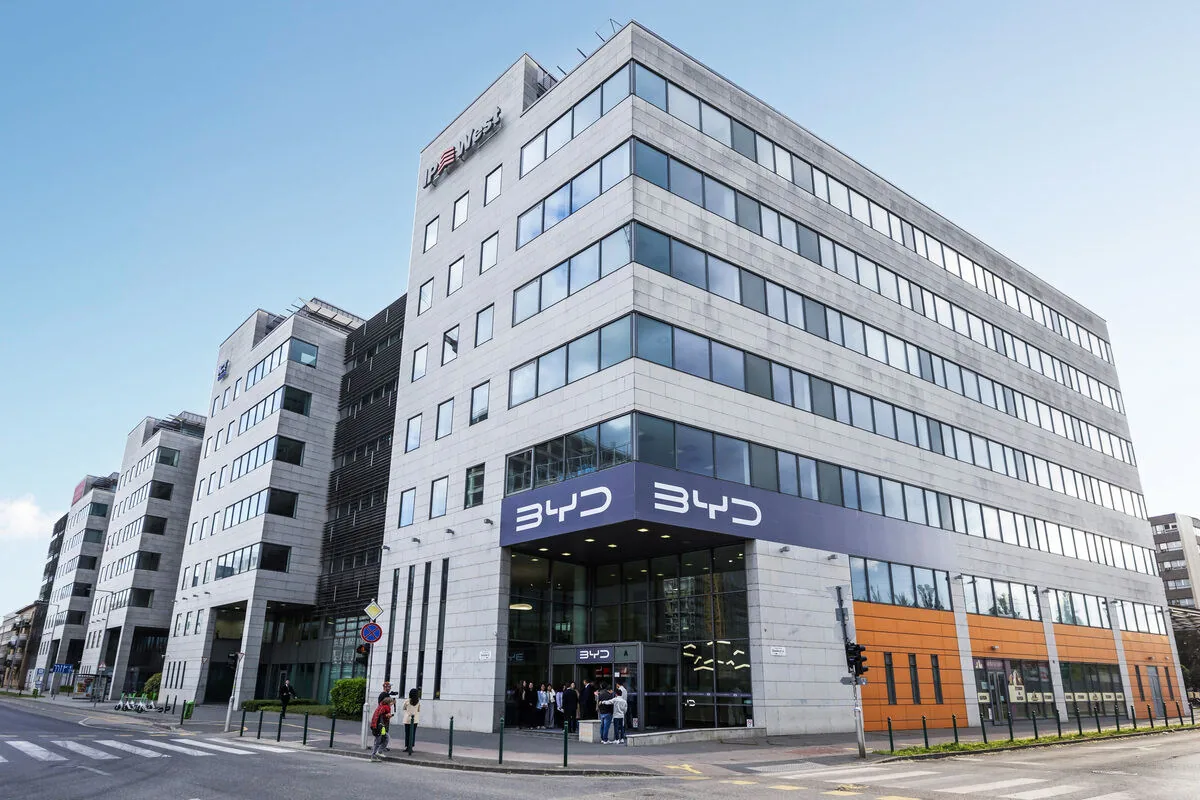
The Brazilian Ministry of Labor has included BYD in a registry of employers held responsible for subjecting workers to conditions analogous to slavery, following the scandal that erupted in 2024. Authorities claim that the Chinese company, despite having outsourced hiring to the Jinjiang Group which denies the allegations, is ultimately responsible for the supervision of its contractors and the conditions in which the workers employed to build the local plant operate.
Read more Less pressure, more patience: how Red Bull has changed without Horner and Marko
BYD in the crosshairs of Brazilian authorities
The measure, which does not block the plant’s activity nor prevent its production—and there is talk of over 25,000 vehicles so far—entails significant reputational damage in the Brazilian market, BYD’s most important after China, and limits the company’s access to certain forms of bank financing in the South American country. Inspections conducted by labor inspectors have brought to light extremely problematic practices: the contracts reviewed indicate that the 163 Chinese workers hired by Jinjiang had to hand over their passports to the employer, see most of their salaries sent directly to China, and pay a deposit of nearly 900 dollars recoverable only after six months of service.
Accusation of slavery
The inspectors, Reuters reports, have also documented degrading housing conditions, with workers crowded into accommodations without mattresses (31 people in a single house with only one bathroom) and food and personal belongings piled on the floor. The scandal has sparked public condemnation even in China and has caused months of delays in the construction of the plant. Companies can avoid inclusion on the list by entering into agreements with the government, committing to correct the disputed practices and compensate the harmed workers. In this sense, BYD has signed an agreement with the labor prosecutor’s office but not with the labor inspectors, and has not responded to requests for comment.