






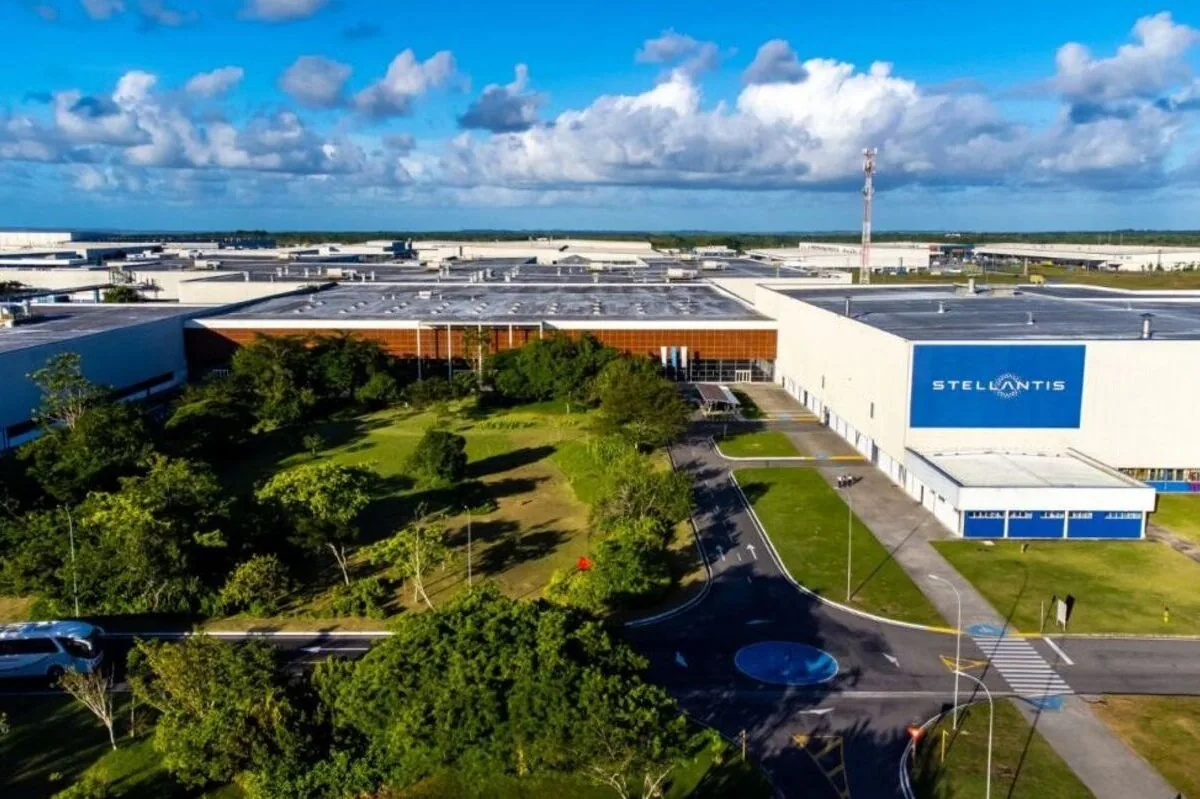
Stellantis has announced in Brazil the progress of the Bio‑Hybrid program. And it has confirmed that the first mild‑hybrid model with flex‑fuel power designed and produced at the Goiana Automotive Hub in Pernambuco will be launched in the first half of the year. The vehicle will feature the new 48 V MHEV technology: a multi-function electric motor replaces the traditional alternator and starter motor, providing both additional mechanical torque to the internal combustion engine and electrical energy to recharge the 48 V lithium-ion battery.
Read more Di Giannantonio against Alex Marquez: “Let’s respect the lives of the riders”
First mild-hybrid flex-fuel model in Brazil
The latter operates in parallel with the vehicle’s conventional electrical system. The electronic management will automatically coordinate the operating modes to optimize efficiency and fuel consumption. The Goiana Automotive Hub thus enters a new phase of its production history: according to Herlander Zola, president of Stellantis for South America, the site maintains its pioneering and technologically advanced DNA, already responsible for the production of high-level sophistication models. To ensure the arrival of the new electrified models, the group has started the production of specific wiring harnesses at the Jaboatão component site and has carried out modifications to the bodywork areas, presses, and assembly lines in Goiana.
Read more Martin, 5th place is safe: no penalty for low front pressure
Strategy for South America
Stellantis has also confirmed that four models equipped with bio‑hybrid technology will be produced at the Pernambuco plant in 2026. Overall, the launch of 16 new models and updates is expected in the same year. The Bio‑Hybrid technology, developed by TechMobility, aims to enhance local strengths, maximizing the use of ethanol typical of the Brazilian market and offering electrified platforms at various levels to meet regional needs. Stellantis’ strategy for Brazil and South America remains oriented towards production autonomy and localization, with the goal of offering products with different degrees of electrification.
Read more Bagnaia struggling but makes no excuses: “The problem is mine”