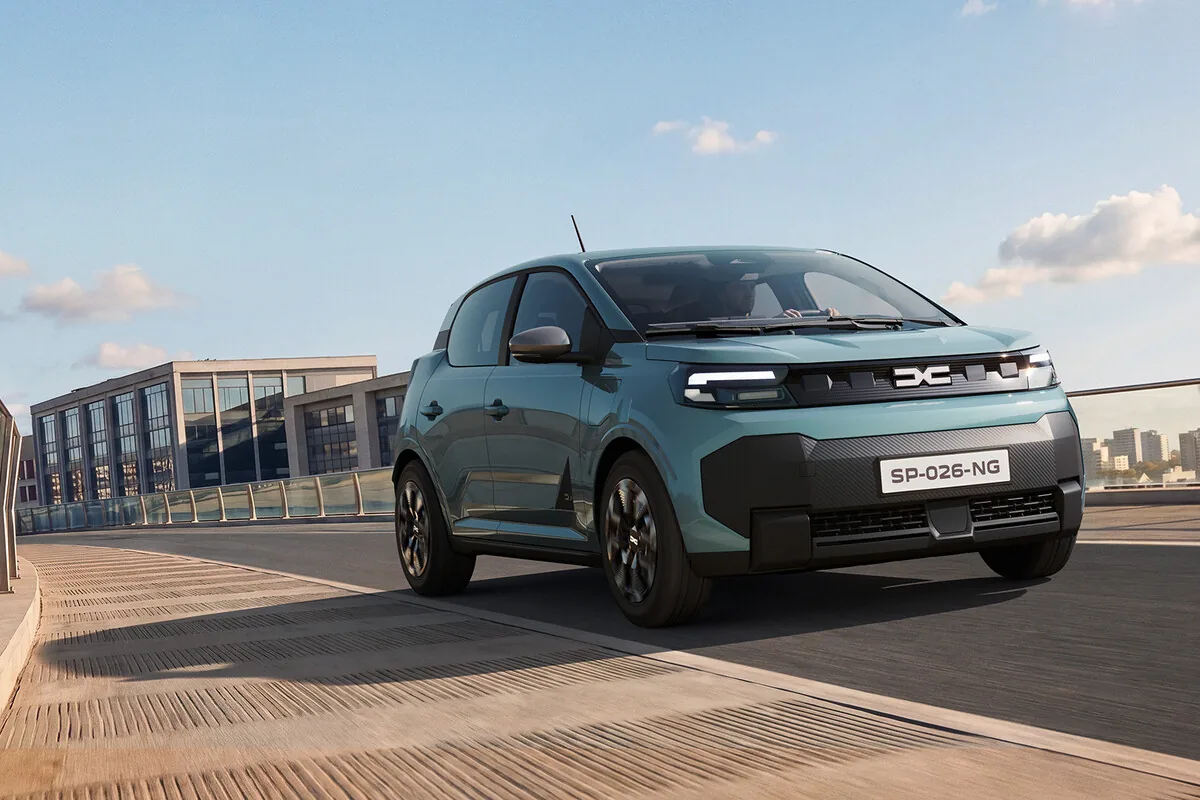








Here’s the idea: “long-term social rental”. A loan of civilization in installments of one hundred euros per month, VAT included. Minister Urso and ACI president Geronimo La Russa presented it at Mimit with the solemnity of someone inaugurating a bridge. “More accessible mobility and a more modern car fleet,” said the former. “Safety and sustainability,” added the latter. Words that, put one after another, can change the mobility scenario.
Read more Casey Stoner raced his entire career with a vertebral compression from a 2003 accident
The mechanism is simple, and precisely for this reason, fascinating. If you have an ISEE below thirty thousand euros, an old car up to Euro 4 to scrap (owned for at least one year, beware: no last-minute tricksters) and the patience not to exceed twelve thousand kilometers per year, the State – through ACI – rents you a new, approved car, not too thirsty for CO2. Thirty-six months minimum. In the end, if you’ve grown fond of it, you can also buy it with a ten percent discount on the market value. As if they were telling you: “Look, we let you try it. If you like it, you can keep it at a friend’s price.”
It’s an experimental measure, until 2030. If it works, they promise to make it structural and invest more money. In the meantime, applications will be submitted in chronological order on an online portal still being defined. Whoever arrives first, rents. Whoever arrives second, waits. It’s digital democracy applied to mobility: it doesn’t matter how poor you are, it matters how fast you click.
In all of this, there’s an idea of progress that tastes like successful Italian endeavors. The national car fleet is among the oldest in Europe, it’s true. Low-income families struggle to change cars, it’s true. The environment and road safety suffer, it’s true. So, social rental is invented: we don’t give you money to buy it, we lend you the car. We don’t free you from car dependency, we make it a bit more accessible.
Read more The drivers will discuss VSCs for gravel after the incidents in Belgium
La Russa speaks of a “modern Mobility Club”. It sounds good. The Automobile Club of Italy transforming into something lighter, more contemporary, less tied to mere ownership. It’s a respectful evolution: you don’t give up the car, you change the way you keep it. A bit like going from marriage to cohabitation: same duties, fewer documents.
One hundred euros a month. Twelve thousand kilometers. Mandatory scrapping. Three years and then, perhaps, the purchase. It’s an elegant solution in its modesty. It simply says: if you can’t afford to buy a new one, at least don’t drive around with one that pollutes like a 1970s fireplace. And if you really like it, we’ll let you have it at a special price.
One wonders how many will succeed. How many will have a car ready for scrapping, a valid ISEE, an internet connection stable enough to enter the chronological ranking before the spots run out. How many, after thirty-six months and twelve thousand kilometers a year, will still want – and be able – to buy it. But these are pedantic questions. The important thing, for now, is that it exists. That someone, in Rome, thought that even those who earn little have the right to a less polluting engine and a safer car.
Read more F1 Calendar, Sepang hypothesis emerges for the weekend of October 4