








Nissan has informed its US suppliers of the withdrawal from producing electric vehicles in the USA, citing the slowdown in demand and the recent elimination of tax incentives for the purchase of zero-emission cars as reasons for the decision. In practice, the push towards electric loses ground in the short term precisely when the market is less supported by public policies and when the sale of these vehicles struggles to maintain the pace of previous years.
Read more Alex Zanardi will never finish
Nissan halts EV production plans in the USA
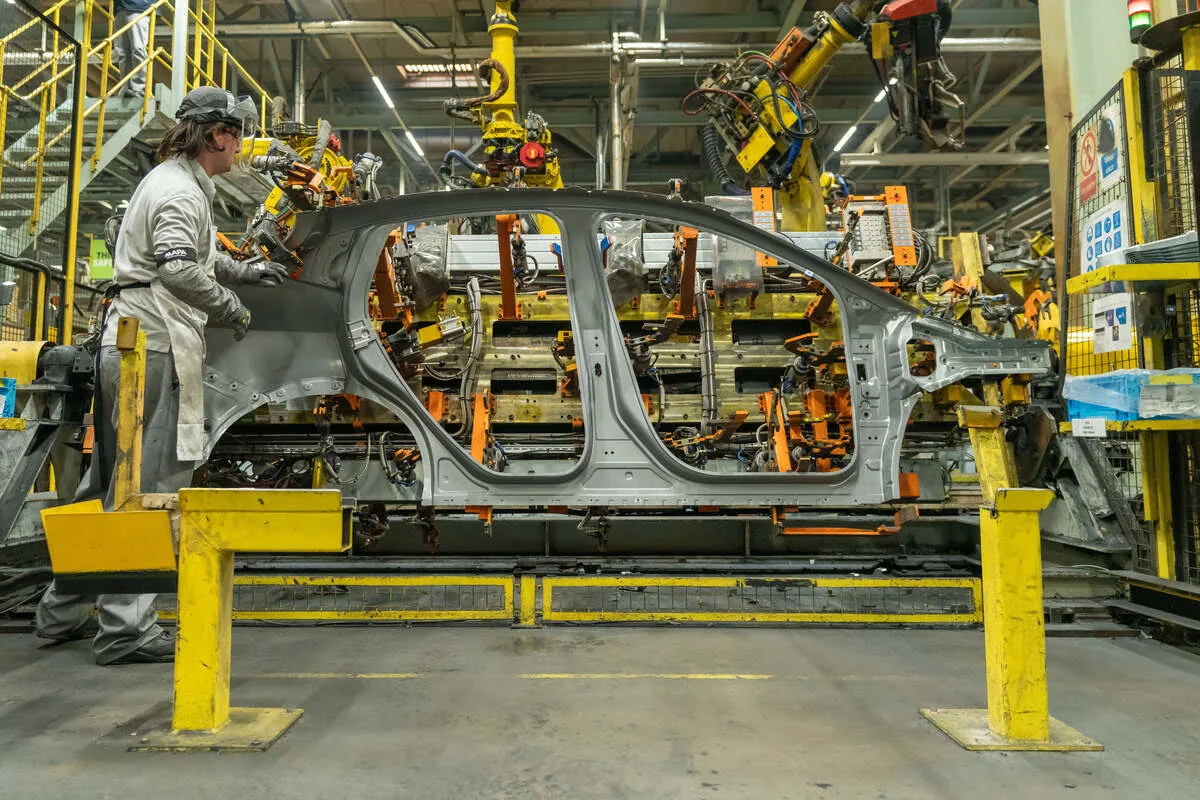
The Japanese automaker has canceled the electric car production plan scheduled at the Canton plant in Mississippi. Instead of these EVs, the volumes of other models will be increased. The choice is part of a path already marked by development delays and revisions of industrial priorities: last year, in fact, the company had already given up on producing a compact zero-emission model, signaling a rethink of the electric strategy overseas.
Read more Wolff: “Zanardi will continue to remind us what true courage means”
Between cuts and closures
Nissan’s new production approach, defined in continuity with what was indicated in previous strategic communications, aims at a more flexible approach to investments in electric technology, subordinating them to the evolution of demand and the regulatory framework. According to what emerges, the direction includes a reduction of the EV range and a diversification of powertrains, with more space for hybrids, aiming to strengthen competitiveness. Meanwhile, to manage the crisis, CEO Ivan Espinosa has launched a restructuring plan that includes cutting 15% of the global workforce and closing seven plants out of 17 by 2027.
Read more 2026 Drivers’ World Championship: the standings after the Miami Sprint