




A new 2016
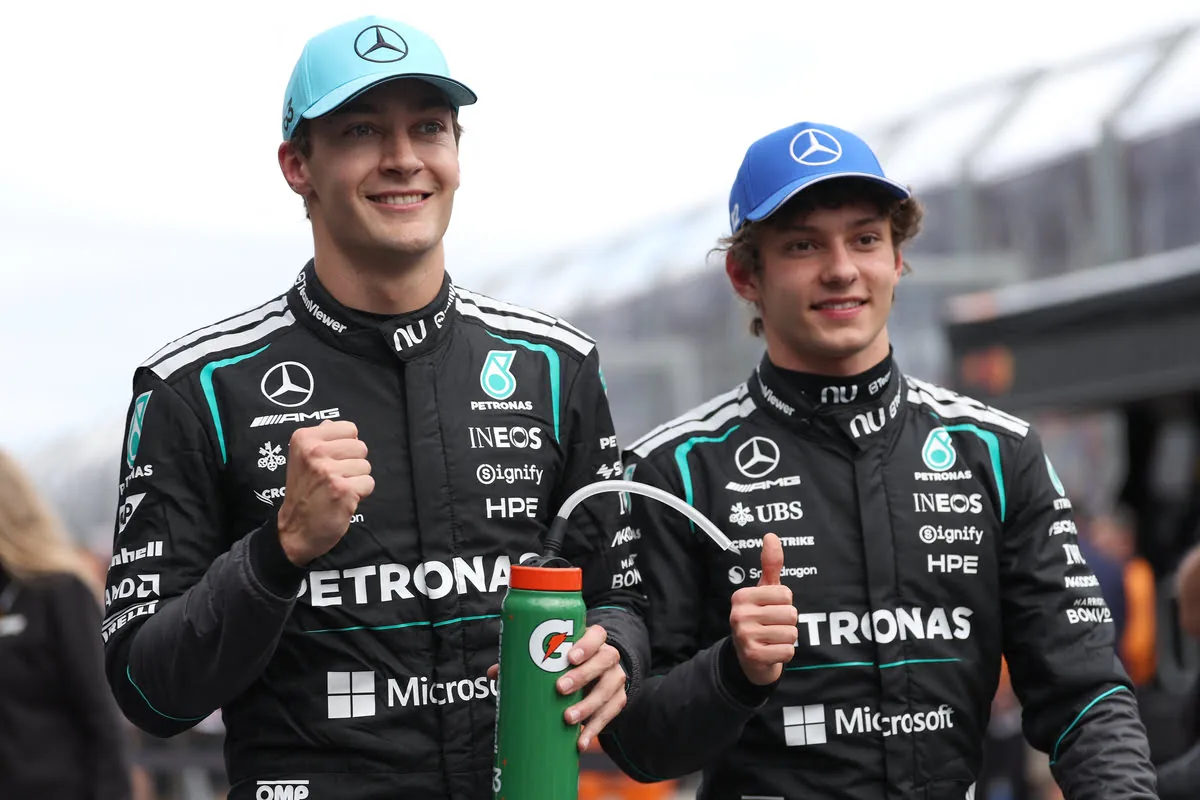
The new technical regulations of F1, instead of moving the Circus forward, have brought it back 10 years. No, not because of the 22 cars on the grid which indeed hadn’t been seen since 2016, but because of the gap handed out by Mercedes to the rest of the field in qualifying: George Russell on pole position, Andrea Kimi Antonelli second, 293 thousandths behind, and then a void. The third, the first non-Mercedes driver, is Isack Hadjar with Red Bull, who suffers a gap of 785 thousandths.
Read more Car on track in unsafe conditions: Antonelli summoned by the Stewards
To find such a large difference in the first qualifying of the season between the first and third-placed drivers, one has to go back, indeed, to the 2016 season. Even then, it was two Silver Arrows sharing the stage – Lewis Hamilton first, Nico Rosberg second by three tenths – and the rest of the world was far away. The third at the time was Sebastian Vettel, with Ferrari, who suffered a gap of over eight tenths of a difference.
Is the championship already a two-way affair?
To make a comparison in the qualifying of the 2022 Bahrain GP, the first race of the previous technical era, the top three positions in qualifying were within 129 thousandths and within 785 thousandths there were five drivers from three different teams. 12 months ago, the much-celebrated McLaren of the Norris-Piastri duo, defined as dominant, beat Verstappen, third, by less than four tenths. Even in the 2023 season, that of Red Bull’s 21 wins in 22 GPs, the first qualifying in Bahrain saw seven drivers within six tenths.
Read more Verstappen relief: “X-ray done, I have nothing broken, but I’m not having fun”
Naturally, we are only at the beginning of a very long championship, there will certainly be room for comebacks and technical developments by Mercedes’ rival teams, but the starting gap is abysmal and at this moment it seems very difficult to imagine that there is a team capable of reaching the performance level of the Brackley cars before the end of the year. And who knows if someone, in the halls of power of Formula 1 and the federation, seeing this disproportion in performance, is not regretting having insisted so much on defining these new regulations. The first impression, after this Australian dawn, is that something has gone wrong. And the clock has been turned back 10 years.
Read more Vasseur: “Mercedes today on another planet, but we could have been third”