

For the first time this year, it will not be a Mercedes starting at the front. Instead, there will still be another Brixworth-powered car, the McLaren, invigorated by progress in energy management and updates awaited for four months. Antonelli saves a Mercedes struggling with various difficulties, which Ferrari does not take advantage of. The evolved SF-26 shows interesting potential, which the team, however, fails to exploit at the most important moment.
Here comes McLaren again
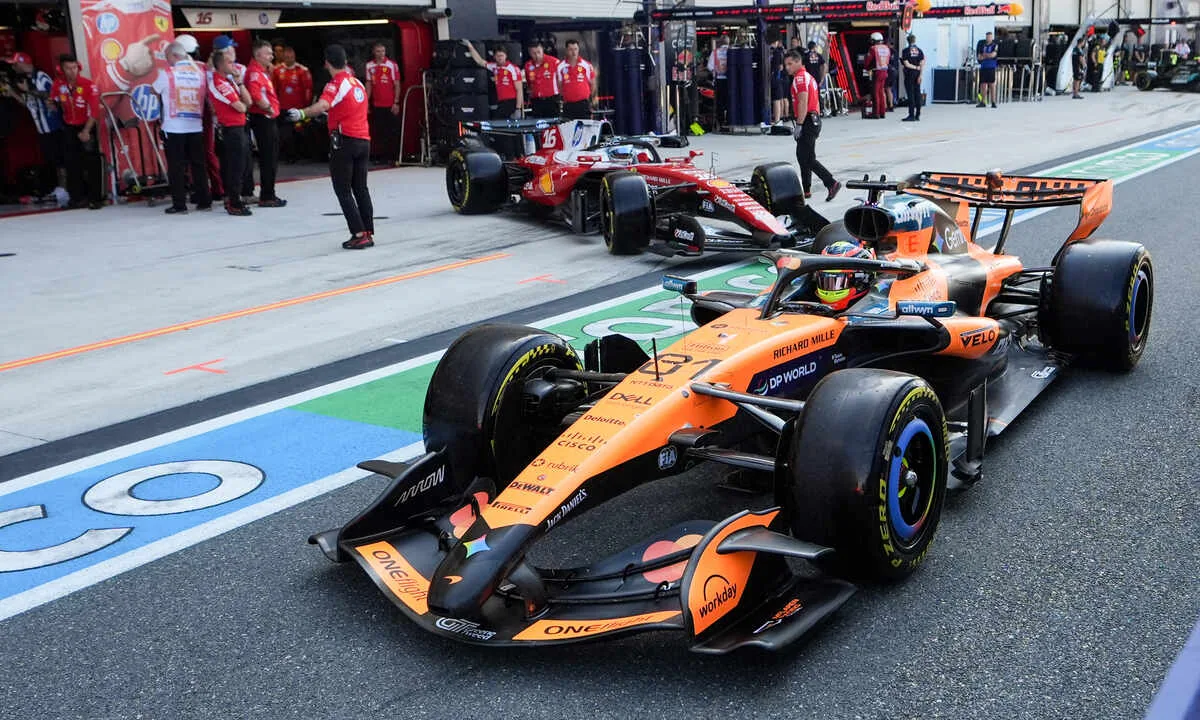
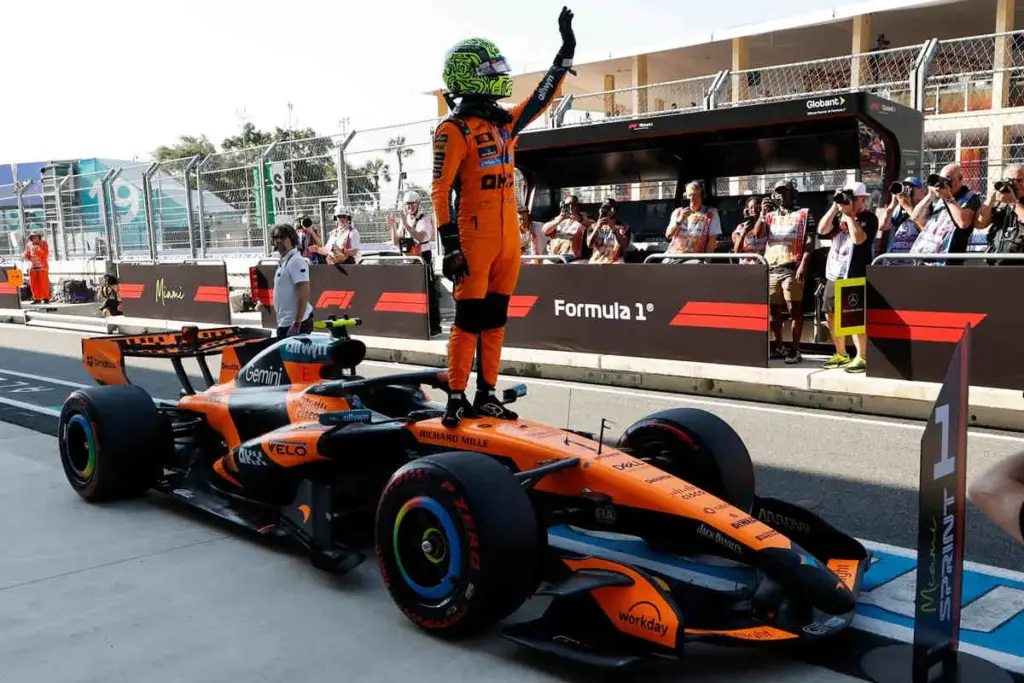
Lando Norris returns to pole position, confirming his harmony with the Miami track. The world champion finally finds confidence in the MCL40, more stable and predictable thanks to the extra aerodynamic downforce gained with the many developments. McLaren’s leap forward is not only a matter of the number of updates but also their effectiveness, closely linked to the time they spent in the workshop. The papaya team was the last not to have brought any novelties after the launch, now reaping the fruits of four months spent in the wind tunnel.
The first pole position of the season is also a sign of progress in exploiting the Mercedes unit. “I believe we have closed that gap and we should have all the necessary tools to extract the maximum from the power unit,” announced Andrea Stella less than ten days ago. The team gathered the information it lacked at the start of the year, learning to better understand the Brixworth unit and how to make it work to get the most out of energy management. It is only Friday, but for McLaren it is also one of those days that can change the perspective on the season.
Mercedes absent
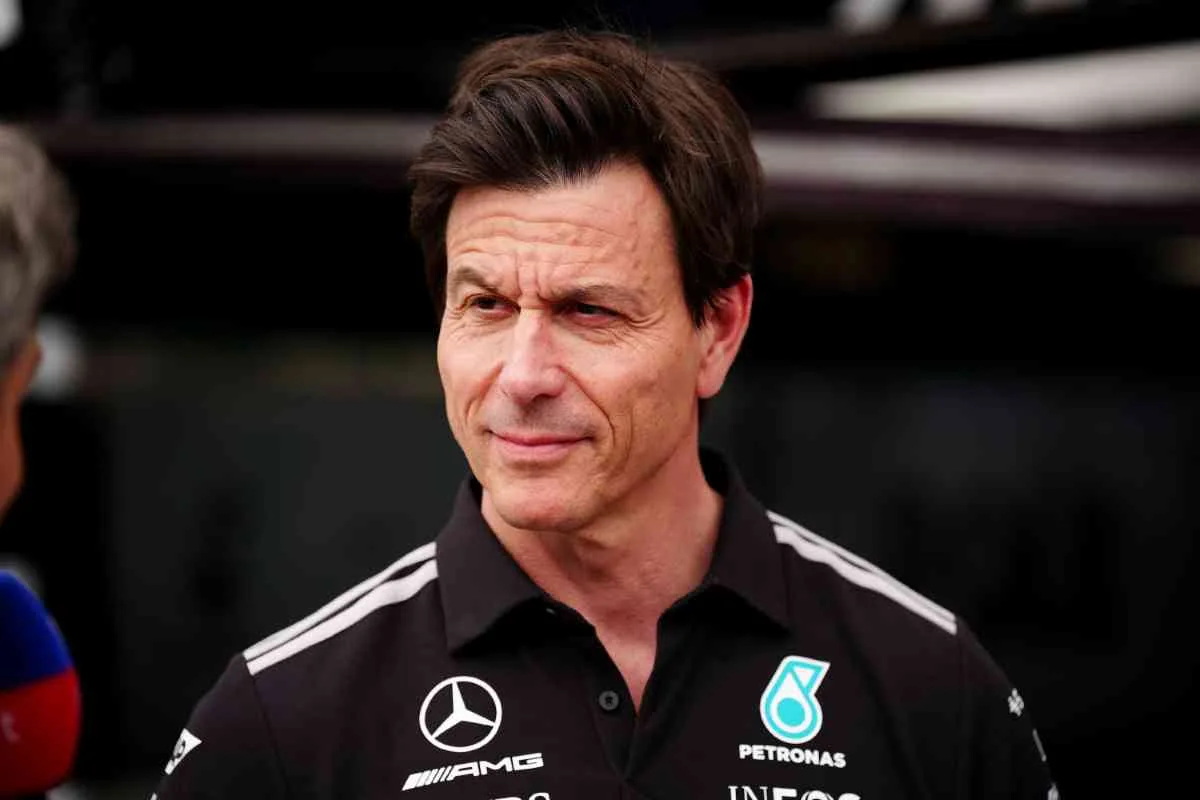
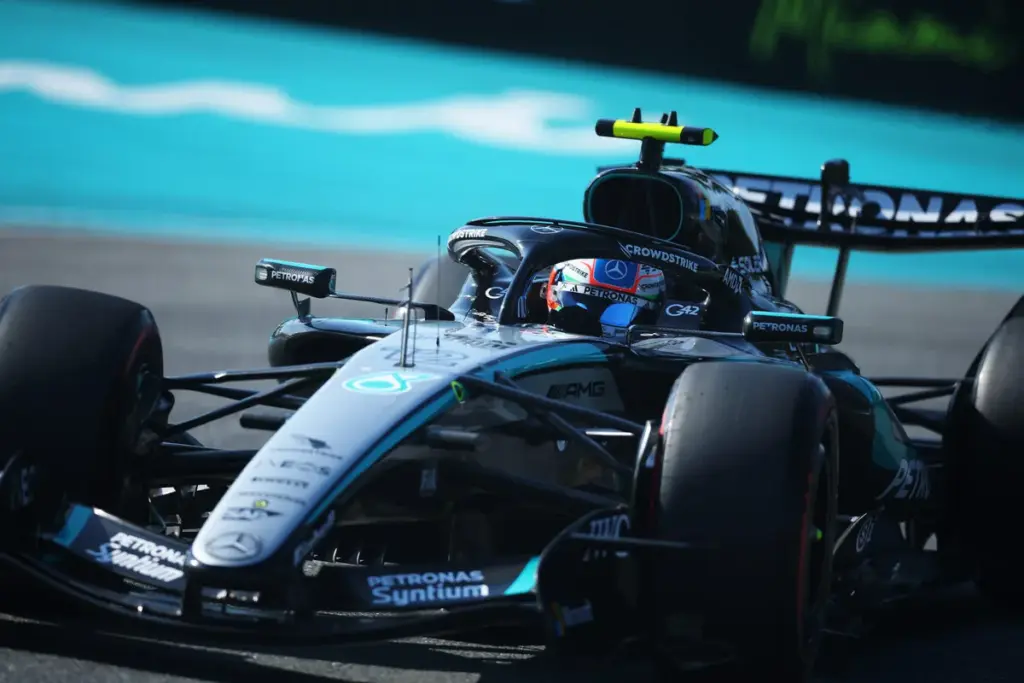
Andrea Kimi Antonelli legitimizes the world championship lead, grabbing a front row that saves a struggling Mercedes. The Italian delivers a remarkable lap, taking advantage of the maximum evolution of the asphalt guaranteed by being the last to go out on track, unlike Russell, who is the first to launch. The question on everyone’s lips, however, is why Mercedes is no longer at the front. The impression is that Toto Wolff’s team has reasons to regret, missing the optimal setup, but that is not the only reason. Once again, for example, the Silver Arrows suffer from too many technical issues during free practice, compromising qualifying preparation.
In Miami, moreover, Mercedes is the only top team practically without updates, which are instead planned for Canada. The comparison with the competition shows how powerful the updates are on these still very immature cars, reaffirming that development will be crucial this season. However, it might not be only an aerodynamic issue, since the Brackley team was the most advanced in energy management strategies, an art that rivals are now also learning to master. Finally, there is the weather issue. With over 50°C on the asphalt, Miami is the hottest qualifying session since the start of the year, 20°C hotter than the March events. Russell complains about tire overheating, fueling fears for Mercedes that the W17 may have inherited from its predecessors a certain intolerance to high temperatures, which would be a problem looking ahead to the European summer.
Ferrari grows, but does not capitalize
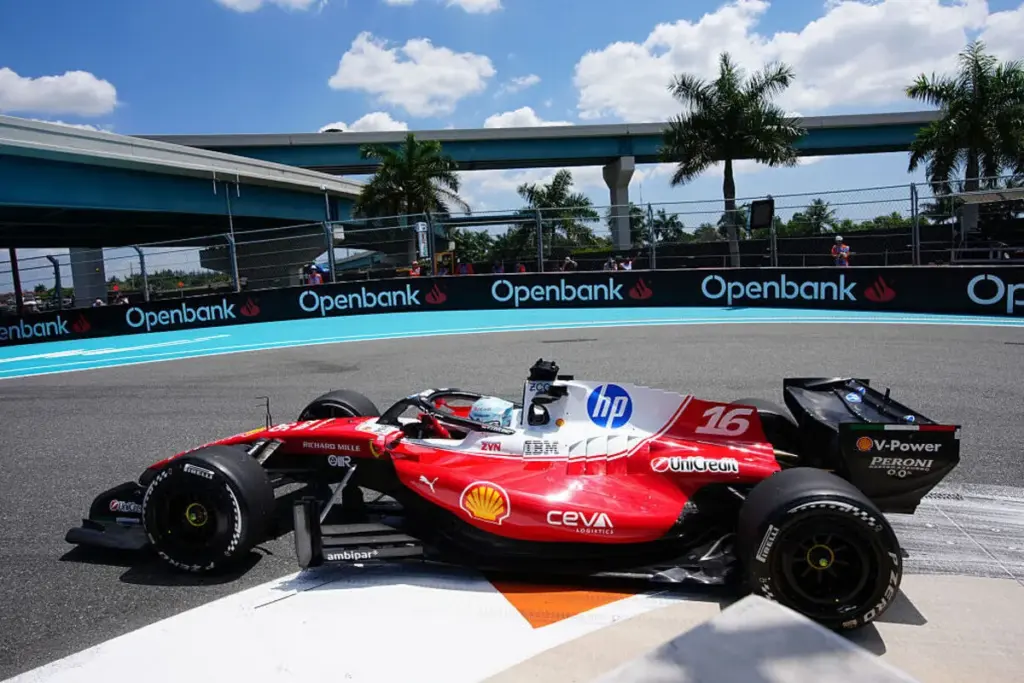
There is a certain regret felt at Ferrari, always in the very top positions, only to then waste everything. For the umpteenth time, the Prancing Horse fails to make the final leap, gaining just 1 tenth between the second and third eliminations, much less than what the track evolution and the switch to soft tires should guarantee. “Today we struggled with the tires”, observes Leclerc, exposing a critical issue that may also be responsible for his driving inaccuracies in the second sector.
While the execution continues to be questionable, the developments reward the work done in Maranello. The SF-26 confirms excellent aerodynamic downforce qualities in the fast corners of the first sector, continuing to accumulate delay on the straight, which will remain until the updated engine arrives. In the meantime, Ferrari will have to maximize the good package it already has, aiming for a better result in Saturday’s qualifying. Starting at the front will be a priority, given that the run to turn 1 is the shortest since the start of the year, just 170 m long, limiting the advantage the Reds have at the start.
Red Bull also grows, equipped with updates well received by Max Verstappen, who just a month ago described the RB22 as undrivable. Times in the first sector show a certain lack of aerodynamic downforce, but the path taken seems to be the right one. The credit also goes to some solutions borrowed from Ferrari, such as the inverted mobile wing or the blocked exhaust outlet, validating Maranello’s ideas.
The show improves too
The sprint qualifying also offers a first feedback on the package of technical regulation changes. Although it does not completely eliminate superclipping, an impossible feat with these power units, the show is generally more enjoyable. The credit also goes to the track, decidedly less critical than Melbourne and Suzuka from the energy management point of view. An important help also comes from the pre-event notes, with the FIA’s decision to make the use of the electric motor optional in practically all corners. For the drivers, this finally opens the possibility to push more, without having to compromise too much on the lines and throttle modulation based on energy consumption. All this highlights the qualities of the drivers, as well as the cars, crowning for the moment Lando Norris’s McLaren.