



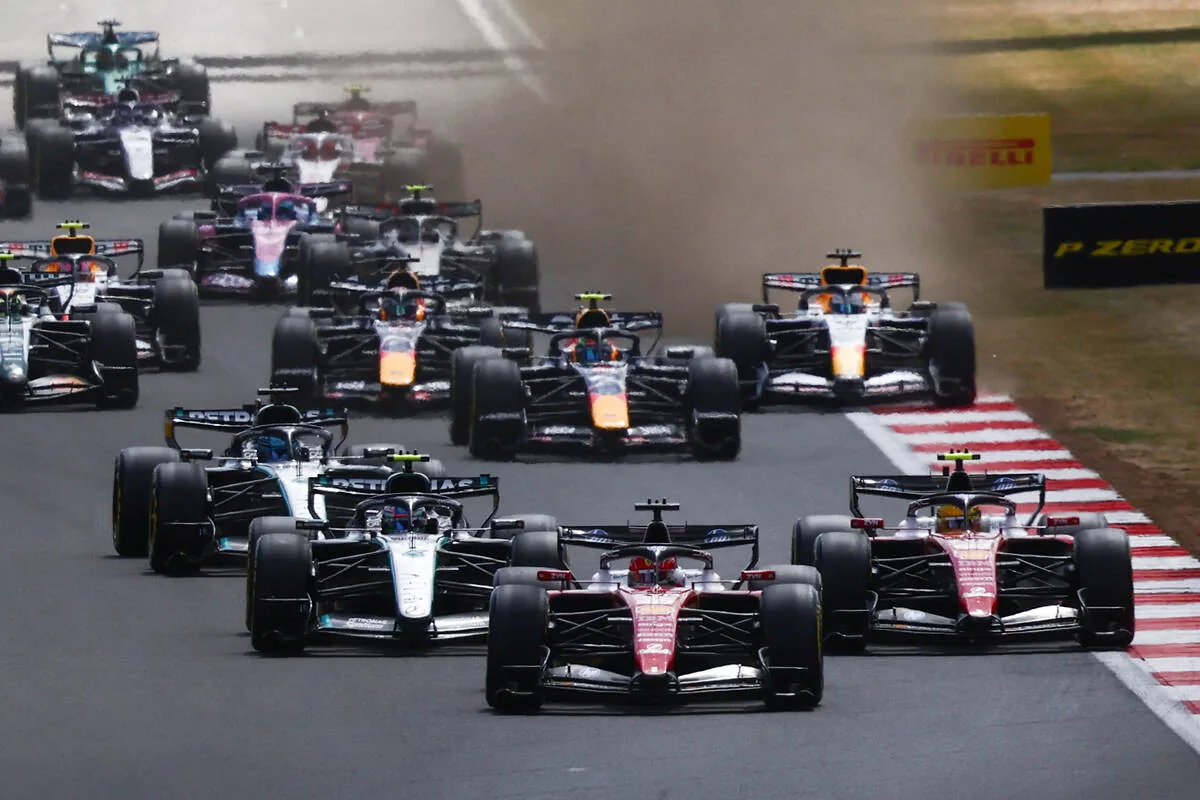
There are numerous regulatory changes approved for 2027, all united by the intent to simplify energy management. The changes made to the power units are accompanied by aerodynamic ones, aiming to reduce downforce, drag, and therefore consumption. The innovations mainly concern the floor and the rear wing, as explained to FormulaPassion by Simone Resta, Mercedes’ deputy technical director.
Read more Hakkinen and Coulthard: an internal rivalry without tensions
The changes for 2027
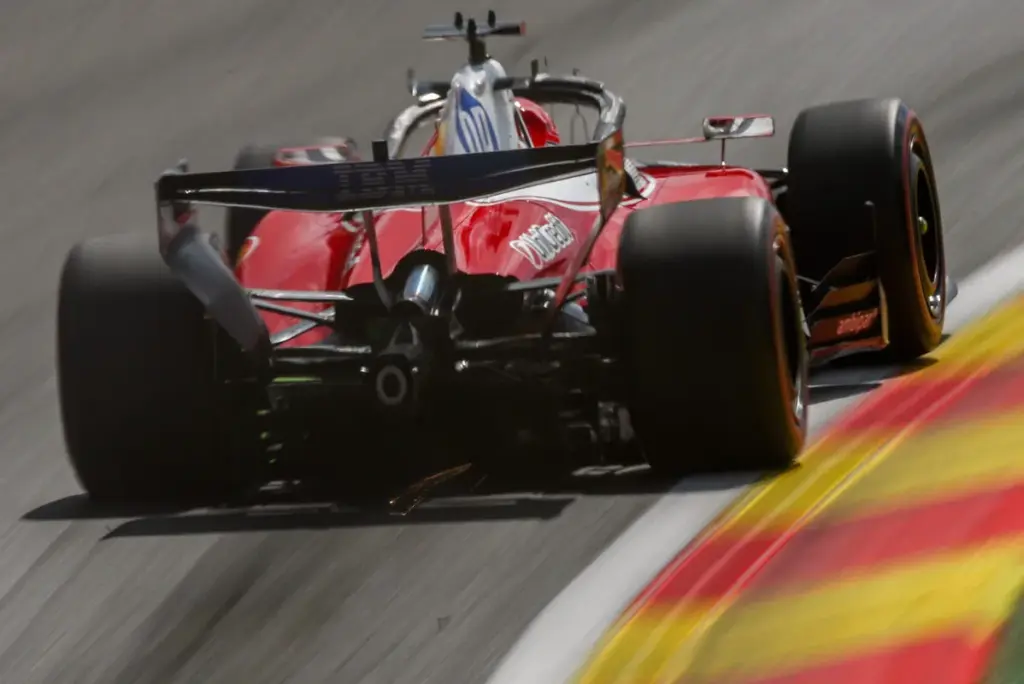
“They are a series of small adjustments that correct some of the things seen this year,” explains Resta. “One example is the proliferation of profiles on the rear wing, which have been banned for next year, as well as the elements at the exhaust exits and on the rear impact structure. These will be quite limited, if not removed. Besides these, there is a more substantial intervention to reduce the aerodynamic downforce level of the car, probably partly to compensate for what teams find with development. These are two things going in opposite directions: on one side, teams try to add downforce, on the other, the Federation tries to contain it for various reasons.”
The most important changes concern the central portion of the floor, shortened at the height of the keel under the cockpit, and the rear wing. Resta continues: “Among the main interventions, there is a change to the regulatory volumes in the front part of the floor, which will be shorter in the T-tray area. Besides this, there is a reduction in the number of elements in the floor’s inlet section, where the outermost will be removed. Finally, there is a change to the volume of the rear wing. They are already smaller now and will be even smaller.”
Read more F1 ever closer for Tsolov: first test behind the wheel of the Racing Bulls
The assessment of the regulations
The changes approved for 2027 will correct some critical issues of the new generation of cars. The Mercedes deputy technical director, however, expresses a positive opinion on the new regulations: “We work on cars that are part of a sport where the entertainment aspect is very important. I think the races are great for the audience, there is a lot of action and many overtakes. The electric component is very important and I think that in terms of spectacle, looking at the number of overtakes compared to previous years, it is a step forward.”
“Clearly, in terms of overtaking, there are aspects to improve, maybe on how to reach top speed and bring it closer to the corner entry. These are things being worked on. Next year will already be a step in that direction and in 2028 there will be another one. It takes time to adapt and to fully understand how the regulation works and how to improve it, but we are going in that direction,” concludes Resta.
Read more Sergio Perez and the ‘lessons’ from Verstappen at Red Bull