
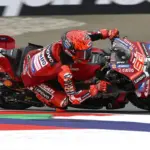
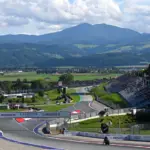
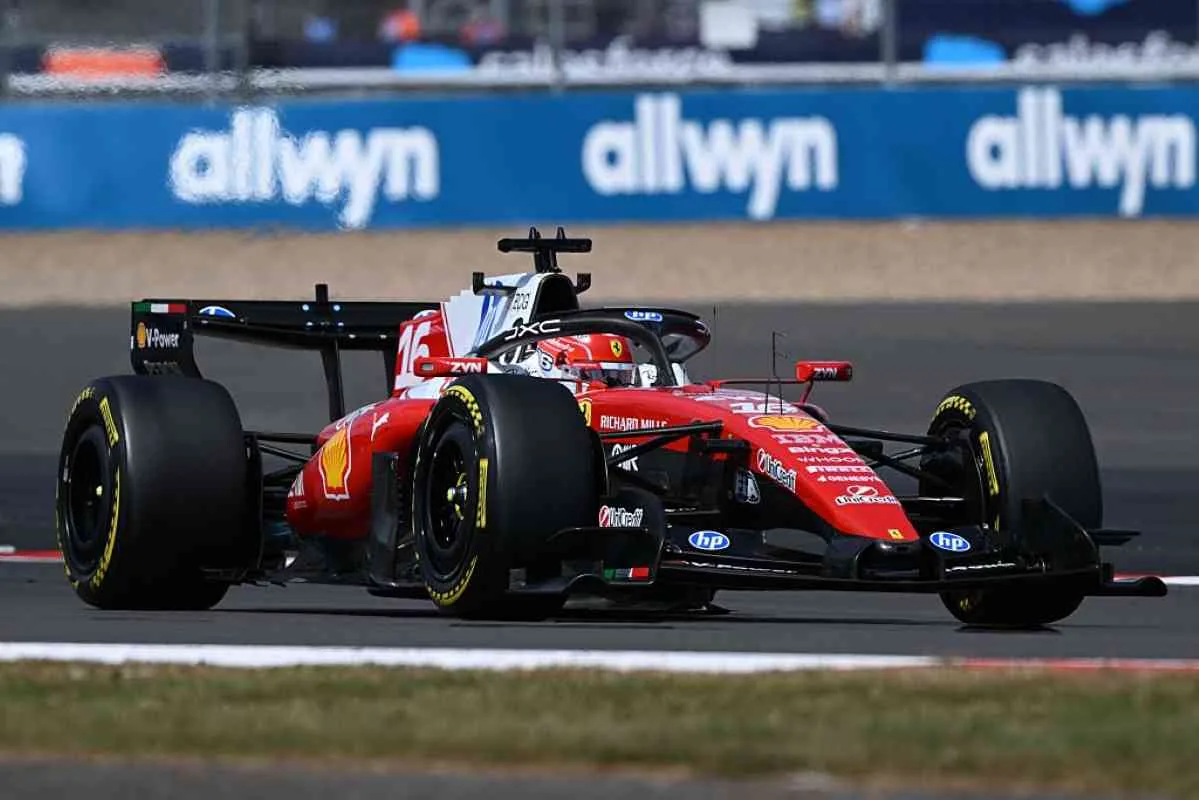
The unexpected victory at Silverstone increases motivation at Ferrari, on the eve of what on paper could be one of the worst appointments for the Prancing Horse. The iconic and super-fast Spa track will expose all the power deficit of Maranello’s engines compared to those of Mercedes and Red Bull, but the SF-26 will have other cards to play. Energy management will be more important than ever, while chassis skills will be fundamental in the second sector, to be tackled all with wings closed.
Read more Nissan More, extended warranty up to 10 years
Silverstone to the extreme
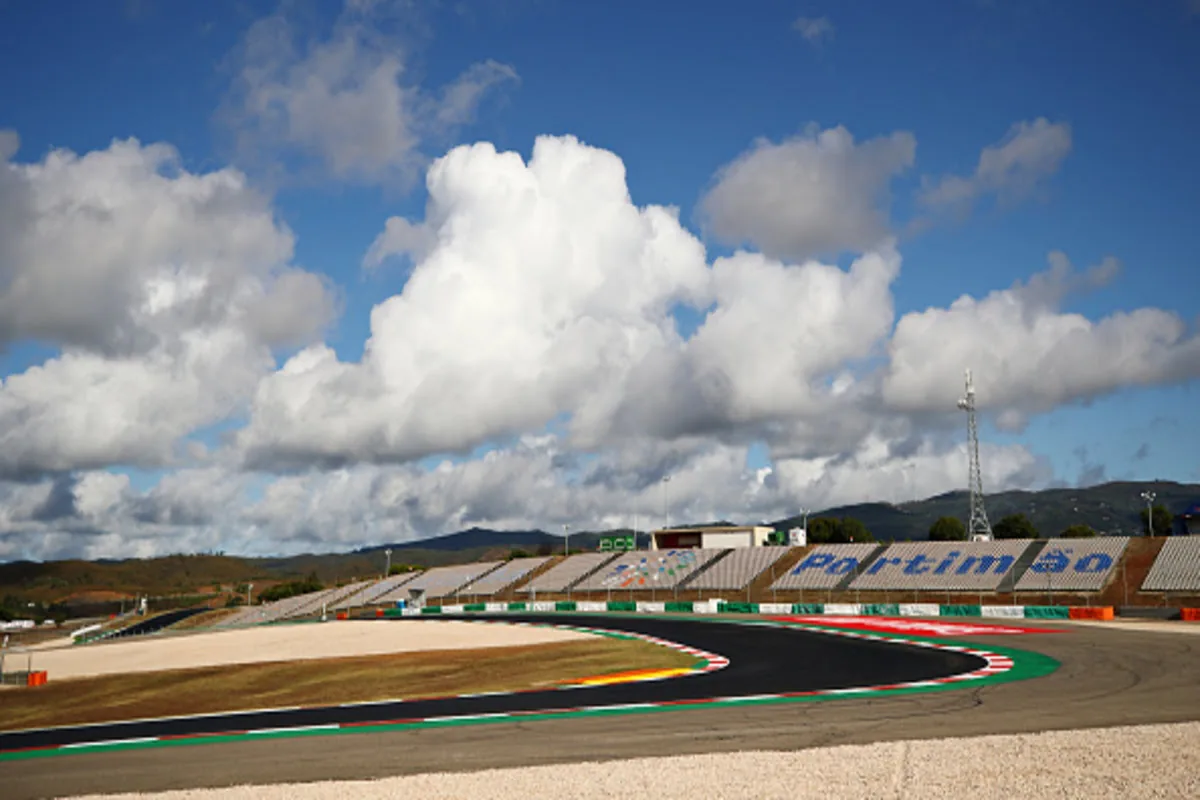
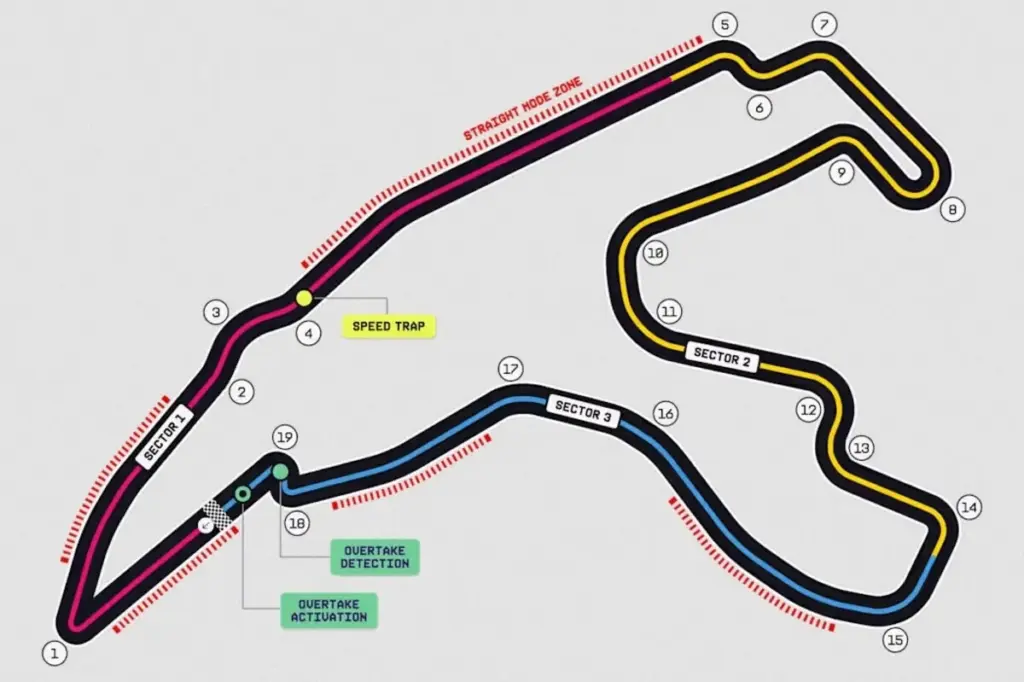
From a certain point of view, Spa embodies the extremization of Silverstone. The average lap speed in Belgium is even higher than in the United Kingdom, breaking the 250 km/h barrier with the old ground effect cars. The endless stretches of Kemmel and Blanchimont will enhance the most powerful power units, see Red Bull-Ford and Mercedes, rewarding absolute power over traction torque. However, it will not only be a matter of horsepower, since energy management is also extremized at Spa, more critical than ever.
The record length of 7004 meters will force spreading the little energy available over a longer distance. The fast curves, moreover, mean that in Belgium there is a shortage of heavy braking zones where to recharge the battery, forcing clipping on the straight. As if that were not enough, for safety reasons the FIA has left numerous and long sections to be tackled with wings closed, including Eau Rouge-Radillion, the entire second sector and the Blanchimont bend, increasing consumption. All this will promote very different battery delivery and recharge strategies among the teams, this time with three free practice sessions to fine-tune them. At Silverstone Ferrari stood out positively on this front, intending to repeat itself at Spa to compensate for the lack of thrust from the thermal engine.
The chassis counts
In Belgium, however, the power unit is not everything, on a track that has always stood out for a clear dichotomy. To win, in fact, it is necessary to find a compromise between speed on the straights of the first and third sectors and stability on the fast curves of the central section, which has often led to conflicting setup strategies among the teams. At Silverstone Ferrari gave the impression of being able to unload the aerodynamics more than the competition, taking advantage of the good efficiency of the SF-26. Doing the same at Spa would be even more valuable, especially given the length of the sections to be tackled with wings closed. The important thing will be to have enough downforce to effectively manage the tires in the race, with Pirelli offering the C2, C3 and C4 compounds. Moreover, the Belgian track is more limiting for the front axle, a characteristic that so far has matched better with Ferrari’s.
Then attention will have to be paid to managing two aspects that could prove problematic. The low temperature of the brake discs, especially at the rear, risks becoming a problem again, given the few heavy braking zones and the long straights that help cool the system. Having components that respond predictably when returning to the brake could make the difference, as already seen in Canada, another critical track on this front. Finally, the other problem could be floor wear. On the compression of Eau Rouge and in the long sections with wings closed, where the aerodynamics release maximum downforce, the cars will be pressed to the ground, calling for caution in setting the suspensions to avoid disqualification.
Waiting for updates
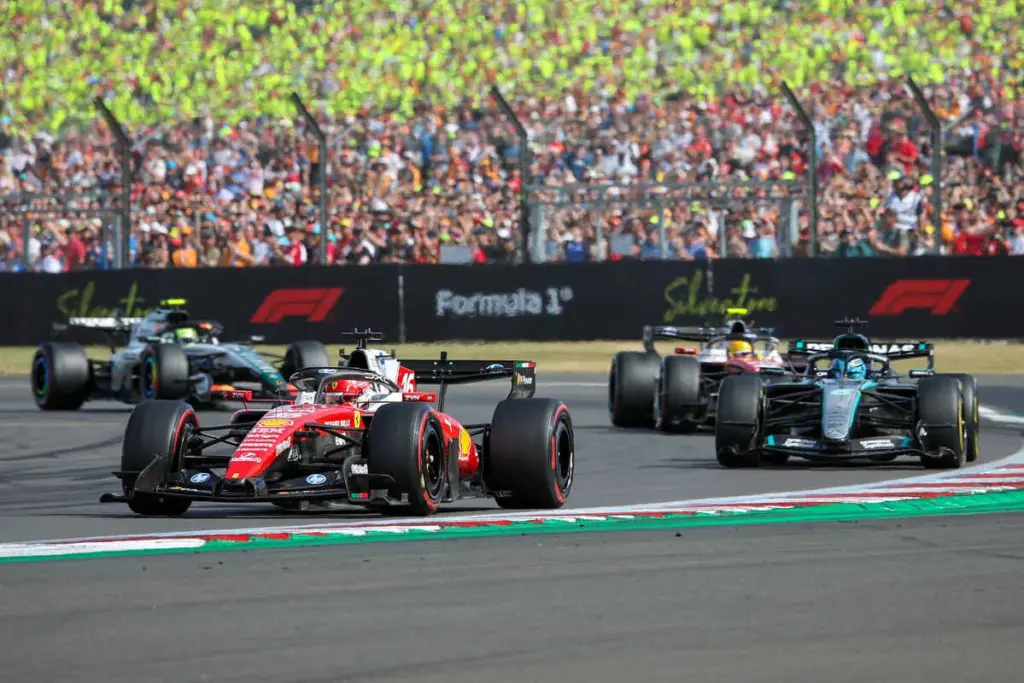
Overall, Ferrari arrives at Spa with a renewed awareness of its means to circumvent the limits of the SF-26. All this does not change the fact that at Silverstone Antonelli and Mercedes once again proved to be the fastest car-driver pairing on track. The balance of power in the Ardennes, however, will also depend on any updates arriving. Mercedes and McLaren are both without an important evolutionary package since the now distant Canadian Grand Prix, with the potential to make a big leap at the debut of the next novelties.
The Woking team, moreover, could test its own version of the Macarena wing, already expected three weeks ago in Styria. Red Bull, on the other hand, will have to prove it has solved the problems in the wing closure phase that emerged in Austria and the United Kingdom, also to convince the FIA not to ban the system in the coming years. At the moment the only one without issues with the inverted mobile wing is Ferrari, which also relies on the Macarena to overturn an engine deficit still present and that will be felt at Spa.
Read more Wolff: “No point in being fast without reliability. We cannot afford to lose more points”