


Finally, the track speaks again, in a weekend accompanied by many novelties, so much so that someone has already defined Miami as the start of a new championship. The regulation changes are on everyone’s lips, but even more important is the arrival of the first wave of updates. The developments will be a true litmus test of who has identified the best car concept, a finding that would guarantee a valuable advantage for the coming months and perhaps even for the coming years.
Read more Hadjar and the memory of his entry into the Red Bull Junior Team: “I couldn’t believe it”
Updates arrive
In Miami, development definitely takes off, which will be very different from recent years. As always happens at the dawn of a regulatory cycle, the cars still have enormous growth margins, which is why the updates promise a big performance leap. Moreover, while with ground effect Formula 1 cars the novelties often had unpredictable side effects, the development of the new single-seaters will be more intuitive and linear.
However, even before improving performance, the updates will give a first feedback on which cars have the best concept for these regulations, the one that can offer the greatest growth margins in the long term. It is not simply about the shapes of the sidepods, suspension layouts, or specific solutions, but about how the car works as a whole and what its aerodynamic structure is like. Identifying the winning concept is not easy, since designers rely on often incomplete initial information, leading to the assumption that one path is more promising than others.
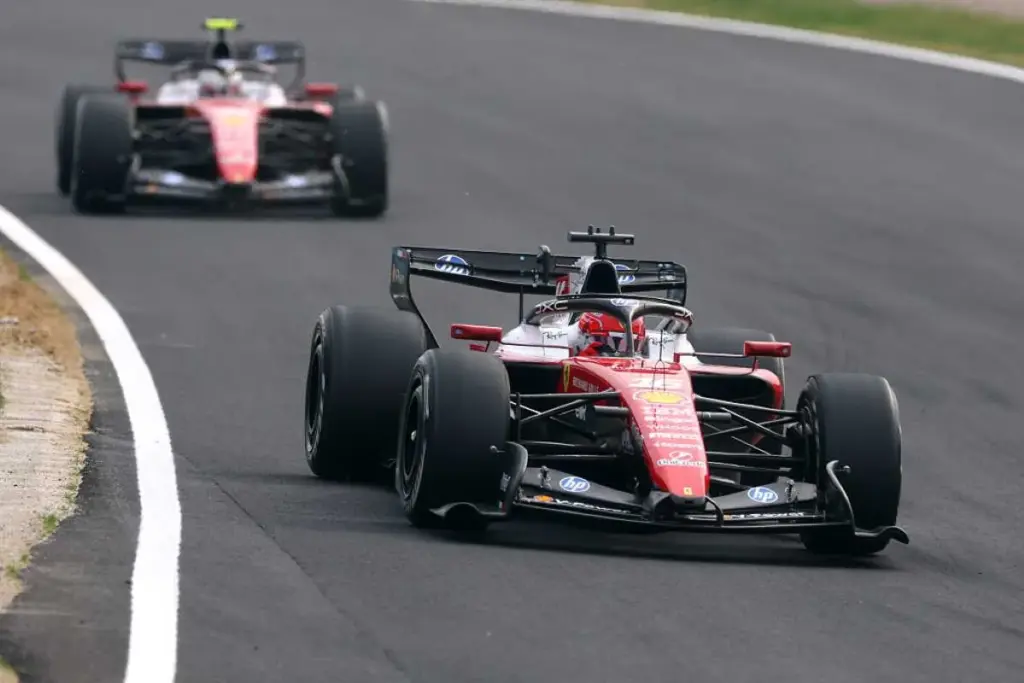
It is not uncommon for a team to start with a very competitive concept in the first races, only to lose ground in the long term and have to start over. This was the case for Ferrari in 2022, whose choice to focus on an extremely low and stiff car ensured a good start to the season, then revealing several critical issues in the second half and even more so in 2023. The same happened to Red Bull two years later, whose dominant concept in the first half of the ground effect era plateaued from 2024 onwards. Thus, the developments in Miami become already crucial, helping to understand who is on the right path for the coming years.
Everyone hunting Mercedes
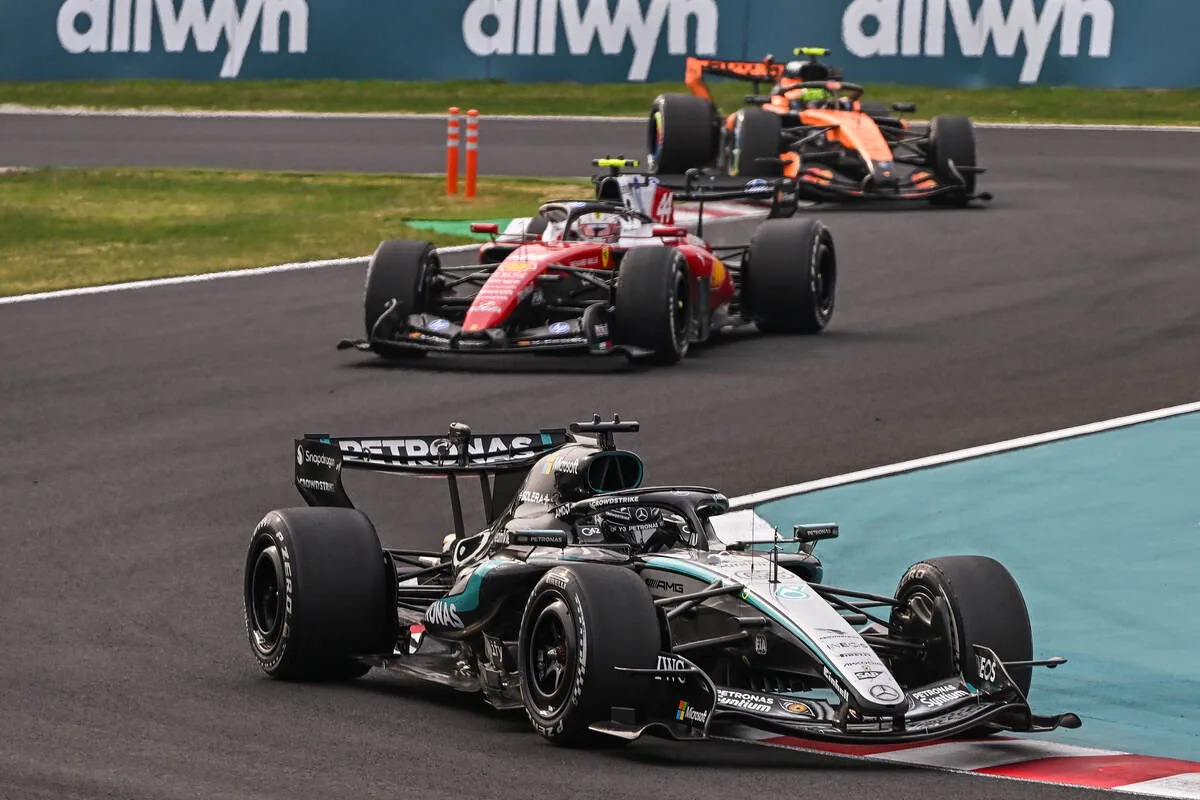
The updates are just the tip of the iceberg of the work teams have carried out during the break. Despite everything, Mercedes continues to enjoy the favor of the predictions, strong with the best power unit in the field and greater mastery of energy management. Russell aims to redeem himself after two frustrating weekends, with a technical problem costing him pole position in China and a setup far from optimal in Japan. However, beware of underestimating Antonelli, undoubtedly matured in recent months, arousing great curiosity to witness a direct confrontation with his teammate. The Italian also returns to the track where a year ago he secured his first pole position in the Sprint, now aiming to repeat it in the main race.
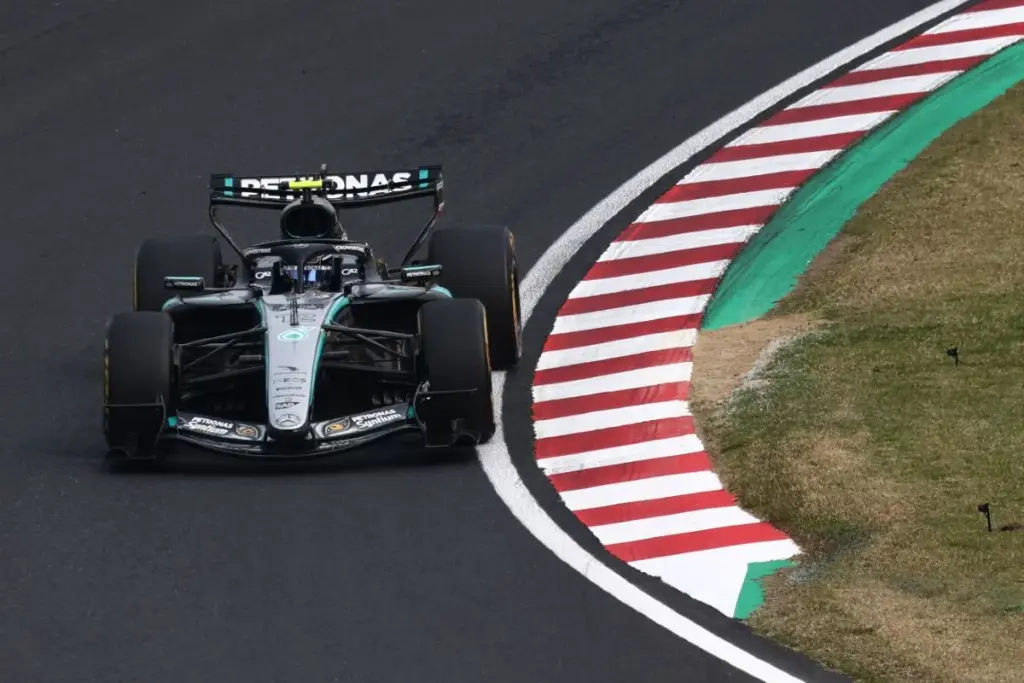
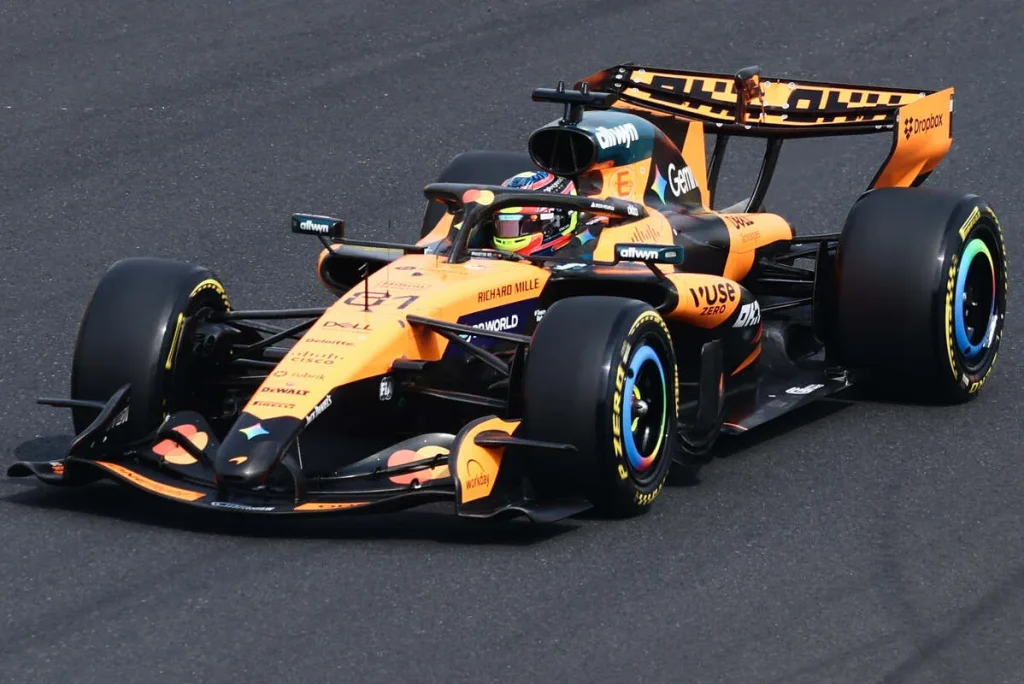
The Silver Arrows, however, will have to manage increasing pressure from the chasers, starting with McLaren. The papaya team introduces the first updates since the launch of the MCL40, which could therefore guarantee a significant leap. The world champions are also confident they have improved the exploitation of the Mercedes power unit, especially in energy management. Ferrari also has growth margins in this area, while to reduce the power deficit it will have to wait for the updated engine. The SF-26, however, also welcomes aerodynamic novelties, some of which were initially planned for Canada.
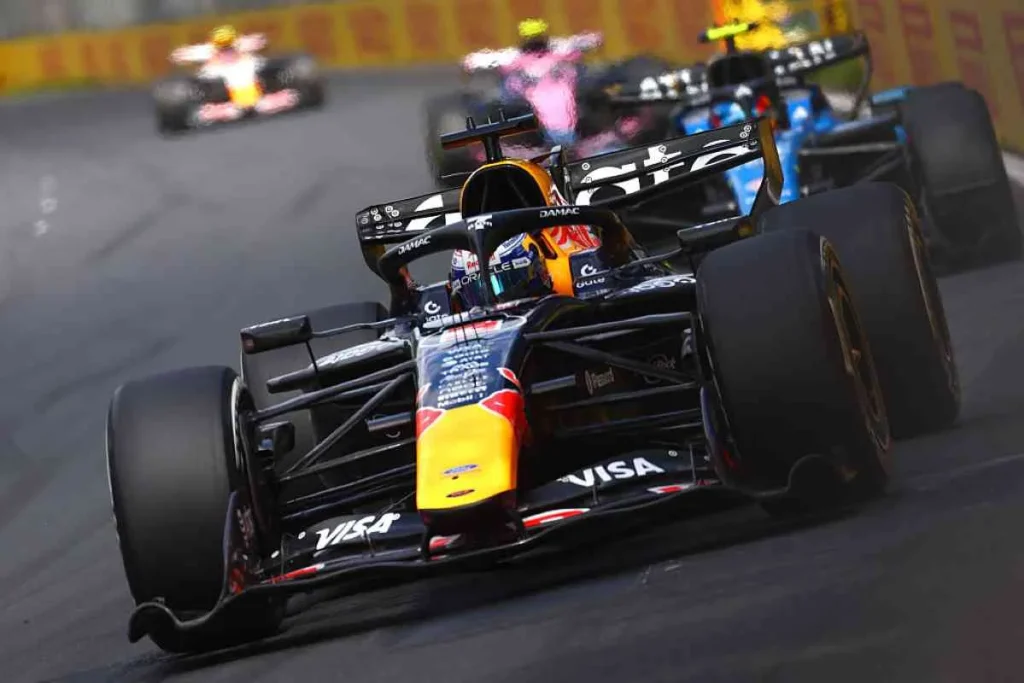
There is also great curiosity to see if Red Bull will manage to fix the flaws of the RB22, afflicted until March by evident balance and aerodynamic instability problems. The novelties will also concern the mechanical part to approach the minimum weight, a matter valid for all. Finally, particular attention goes to Aston Martin and Honda, whose priority is to solve vibration problems, linked not only to the power unit.
Read more Volkswagen ID. Polo, the iconic compact is now electric
Rules change
Besides the development packages, technical regulation changes debut in Miami. Teams and drivers will have to use track time to understand how to adapt energy management strategies and driving style. Simulations say that superclipping will still be present, but for shorter times, and that thanks to the increased full-throttle charging power it will no longer be necessary to resort to lift and coast in qualifying. It remains to be seen if drivers will actually be free to push on a single lap without too many second thoughts about energy management, but it does not seem that the situation will be completely resolved.
Adding even more to the teams’ agendas is the Sprint format, with only one extended 90-minute free practice session. Never before has the priority been to accumulate kilometers so much, especially to provide as much data as possible to the energy management software, which adapts its strategies learning from previous laps. Moreover, if the risk of thunderstorms persists for Sunday, there will also be the problem of finding the right compromise in terms of aerodynamic load, not being able to fully open the movable wings on wet track.
The track
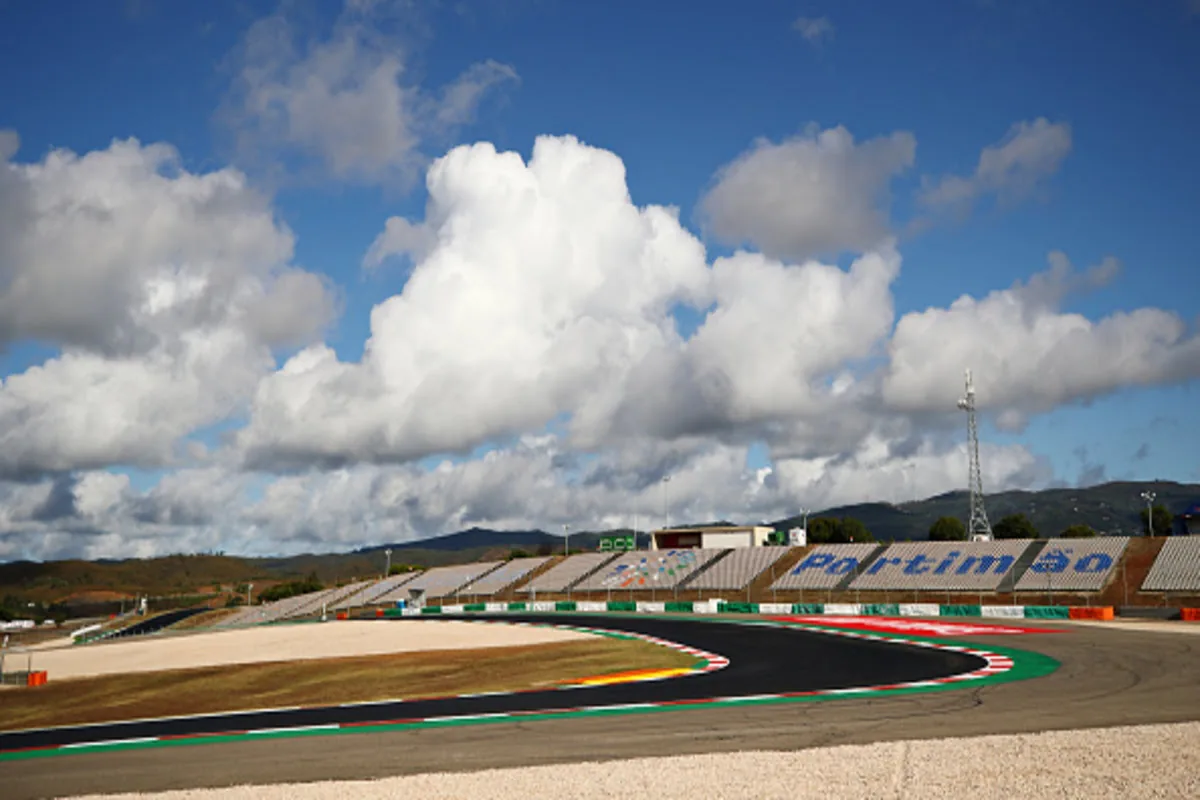
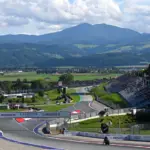
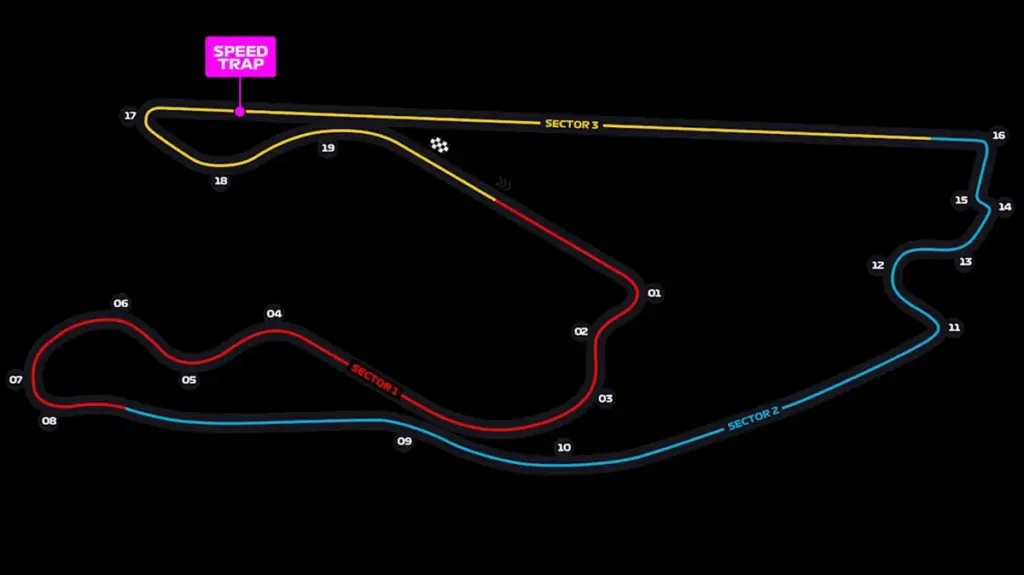
All this takes place on a particularly varied circuit that highlights different qualities of each car. The first sector is a sequence of high-speed corners, where aerodynamic load, responsiveness in direction changes, and agility on curbs emerge. The central section, instead, is a tight low-speed complex, with mechanical grip dominating and where a smaller turbo, like Ferrari’s, is useful to have good low-end boost. Moreover, until last year Miami was one of the most penalizing tracks for aerodynamic drag, which with the new cars translates into greater emphasis on active aerodynamics.
From the energy management point of view, the American track will not be as critical as Melbourne and Suzuka, but that does not mean it will be a walk in the park. According to Brembo’s estimates, braking time has decreased from 16 to 11% compared to last year, which limits the recoverable energy under braking. According to simulations, the only three braking points are at turns 1, 11, and 17, at the end of the three straights that coincide with the movable wing activation zones.
Regarding tires, Pirelli offers the softest compounds in the range, C3, C4, and C5. The asphalt is, in fact, not very abrasive, a characteristic that generally reduces the relevance of thermal degradation in favor of graining, particularly suffered by McLaren. Strategies, however, will also depend on overtaking opportunities, another aspect to discover after the regulation changes. Overall, Miami will be a crucial weekend from many points of view, where it will begin to be understood who made the right choices and who did not.
Read more Sainz: “Miami is a crucial moment to start making up ground”