



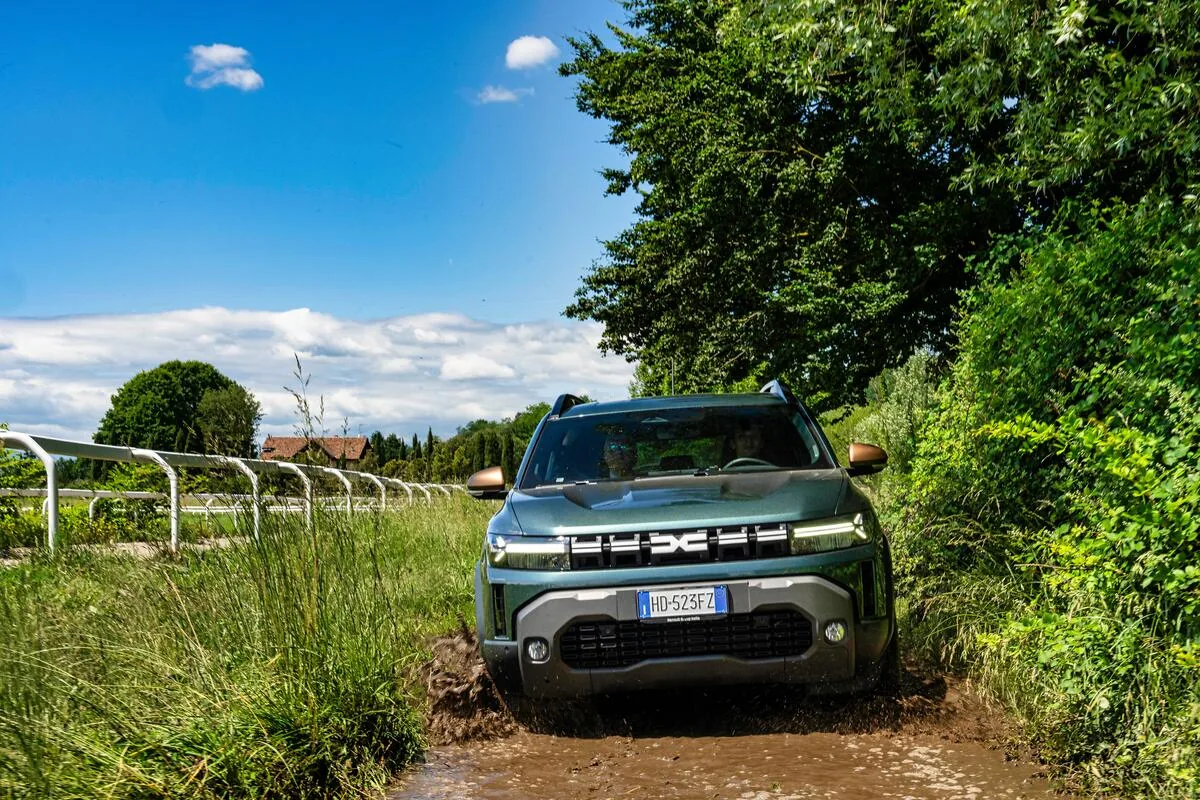
Dacia expands the SUV range with a new proposal designed to combine efficiency, versatility and traction: the new Hybrid‑G 150 4×4 arrives on Duster and Bigster, whose formula takes the Romanian brand’s model family to a new “tri‑fuel” dimension. At its core is the combination of petrol and LPG, accompanied by a mild‑hybrid system that introduces electric support capable of improving consumption and driving experience. There is also another reason why it can be called “tri‑use”: the engine adapts well to everyday life, but is equally suitable for those who take family trips and want to enjoy some off-road excursions.
Read more Alex Marquez: “Feeling good, but not yet like in 2025”
Dacia introduces a new engine
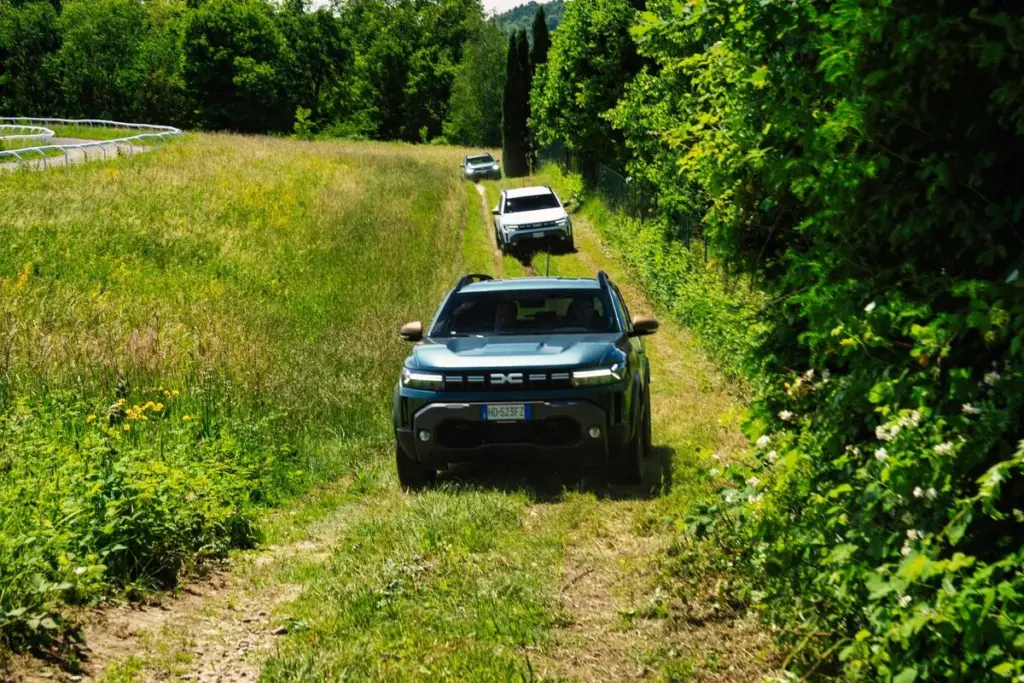
The key point, in any situation, is the help of the electric motor. We tested the Duster both on road and off-road, and even at low speeds you can feel greater grip and a quicker response, with benefits that translate into smoother and more controlled driving, especially in typical city contexts or slower passages on mixed routes. For the occasion, the engine is paired with an automatic transmission and 4×4 all-wheel drive, elements that contribute to making the Hybrid‑G 150 4×4 system particularly balanced both on road and off-road.
Duster and Bigster become “tri-fuel”
On the cost and range side, the real protagonist remains LPG, which allows for concrete operating savings. What surprises, however, is not only the economy: Dacia’s proposal also focuses on the practicality of refueling thanks to the combined capacity of the two tanks up to 100 liters, with an overall estimated range of around 1,500 km. Also in terms of driving, the setup is consistent with the SUV vocation of the model: the automatic transmission proved smooth and the 4×4 off-road setting stood out, reinforcing the idea of a car capable of accompanying both daily routines and leisure adventures.
Petrol-LPG-electric combination
Focusing on the technical details, the new Hybrid‑G 150 4×4 system is born from the combination of a 1.2 petrol mild‑hybrid 48V with 103 kW on the front axle and a 23 kW rear electric motor. The combined maximum power thus reaches 113 kW, with a torque of 230 Nm for the thermal engine and up to 87 Nm for the electric one. The thermal engine is managed by a six-speed dual-clutch automatic with paddle shifters, while the rear electric part works through a dedicated two-speed gearbox, both equipped with disengageable clutches. The 4×4 traction, in this case, does not depend on a traditional mechanical shaft, but is entrusted to the energy of the rear electric motor.
Read more 24h Nurburgring, full schedule: when (and how) to follow Max Verstappen’s weekend
Range and prices
Finally, the proposal also looks at numbers related to consumption, emissions and energy management. The system is powered by a 48V lithium-ion battery, automatically rechargeable during driving thanks to regenerative braking: in urban areas Dacia declares the possibility to drive up to 60% of the time in 100% electric mode, with benefits on acoustic comfort, smoothness and consumption. Furthermore, it speaks of a TCO up to 30% less than the mechanical mild‑hybrid 130 4×4 version and a reduction of emissions of about 20 g/km of CO2. For average consumption, the data finally indicate competitive values with LPG starting from 7.1 l/100 km and petrol from 5.9 l/100 km in the WLTP mixed cycle. The range starts from 28,500 euros for Duster and 29,900 euros for Bigster, with three trim levels.
Click here to add Formula Passion as a preferred source on Google Discover: you will find our content more easily!