








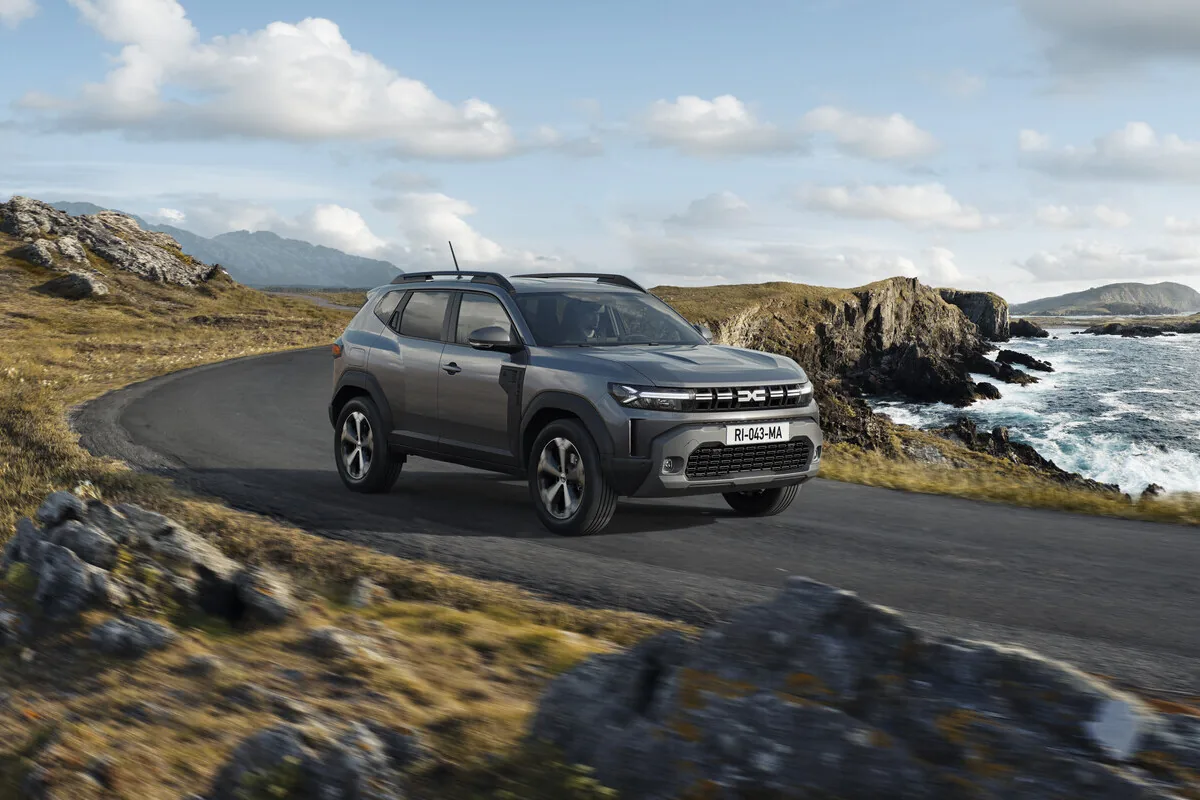
Dacia Duster chooses the path of electrification. The Romanian manufacturer has indeed introduced the Hybrid 155 engine on its SUV, a choice that aims to combine power and efficiency without complicating the user’s life. On board this new version, we find a well-synchronized technological quartet: a 109 hp four-cylinder gasoline engine, two electric units (one 50 hp and a high-voltage starter/generator), a 1,4 kWh (230 V) battery, and an electrified automatic gearbox that combines four ratios for the thermal engine with two for the electric one. The result on paper is simple and pragmatic: appreciable performance when needed, with the advantage of not having to go to a charging station because it is not a plug‑in.
Read more 2026 Chinese GP: Qualifying report
Dacia Duster Hybrid 155
In recent days, we tested the Duster Hybrid 155 on a mixed route around Milan, with stops in the city, extra-urban roads, and a short highway section. A test bench that highlighted the balanced character of the SUV. The car responds promptly to the pedal, offering a convincing boost especially in starts and overtaking maneuvers. The smooth gearbox contributes to a relaxed drive and the setup, overall stable, ensures comfort even on cobblestones and less regular asphalt. It doesn’t claim to be sporty, but in any case, the feeling is that of mechanics well-calibrated for daily use.
Consumption and efficiency
Where the Duster Hybrid 155 surprises most is in fuel consumption: in our real-world cycle, we remained consistently below 5 l/100 km, a figure that places it at the top of its category. Much of the credit goes to the presence of the electric component, which ensures starting always in full electric mode and intervenes frequently during driving. In this sense, Dacia states that in urban environments, the electric motors are absolute protagonists up to 80% of the time. This integration also allows for extending the overall range: combining the tank and battery, the numbers show the Duster promises ranges exceeding 1.000 km on a full tank, a practical value for those who drive many kilometers without charging constraints.
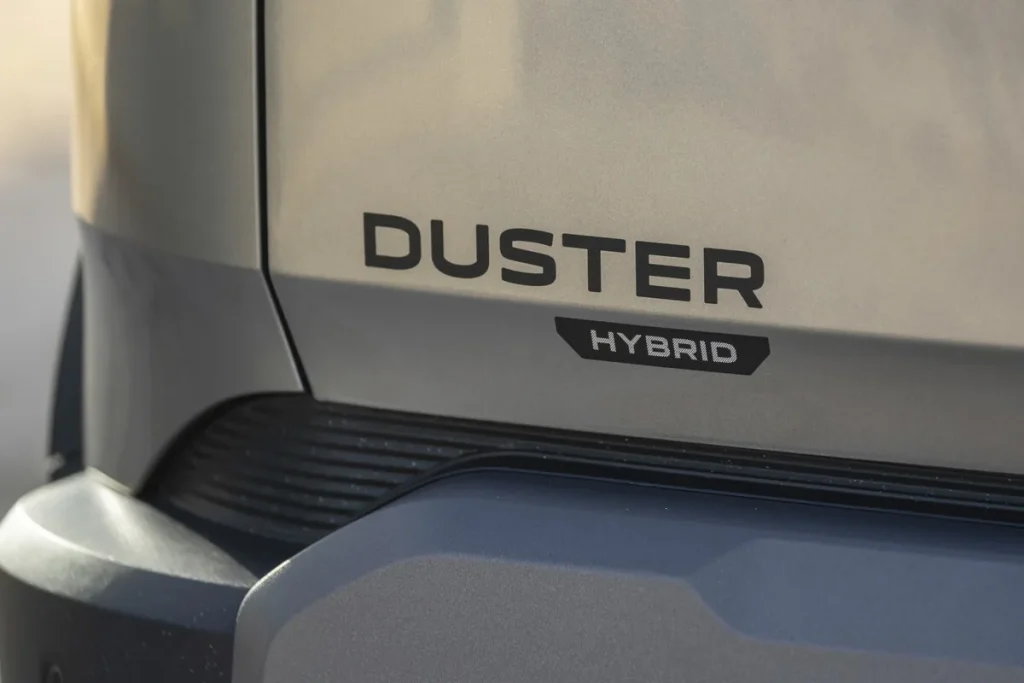
No charging constraints
In addition to fuel savings and decent performance, the Duster gains in quietness and comfort. The presence of the electric system translates into more refined starts and a reduction in vibrations and noise at low speeds. Also, the approach to sustainability is not limited to mechanics: the new Starkle cladding, resistant to bumps and scratches and requiring no painting, contains 20% recycled material, while the choice of chrome-free finishes contributes to reducing the overall environmental impact overall. It is a package that communicates concrete ecological intentions, without however giving up the practicality that made the model famous.
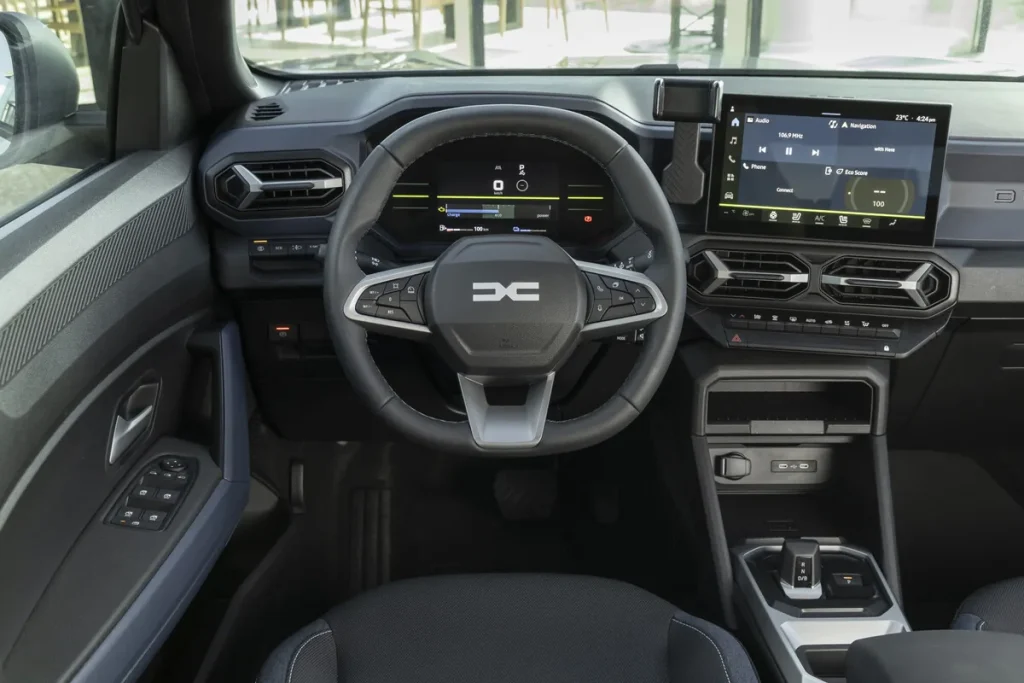
Range from 26.650 euros
In short, the Dacia Duster Hybrid 155 presents itself as a sensible proposal for those looking for a practical SUV, economical in consumption and quite lively in daily driving. It is not the most sophisticated solution on the market, but the combination of an efficient non-plug‑in hybrid system, a compact battery, and a driving calibration designed for real use make it competitive in the segment. The entry price, on the list, is 26.650 euros.
Read more Record-breaking Antonelli: he is the youngest pole-sitter ever in F1