

Worst of F2
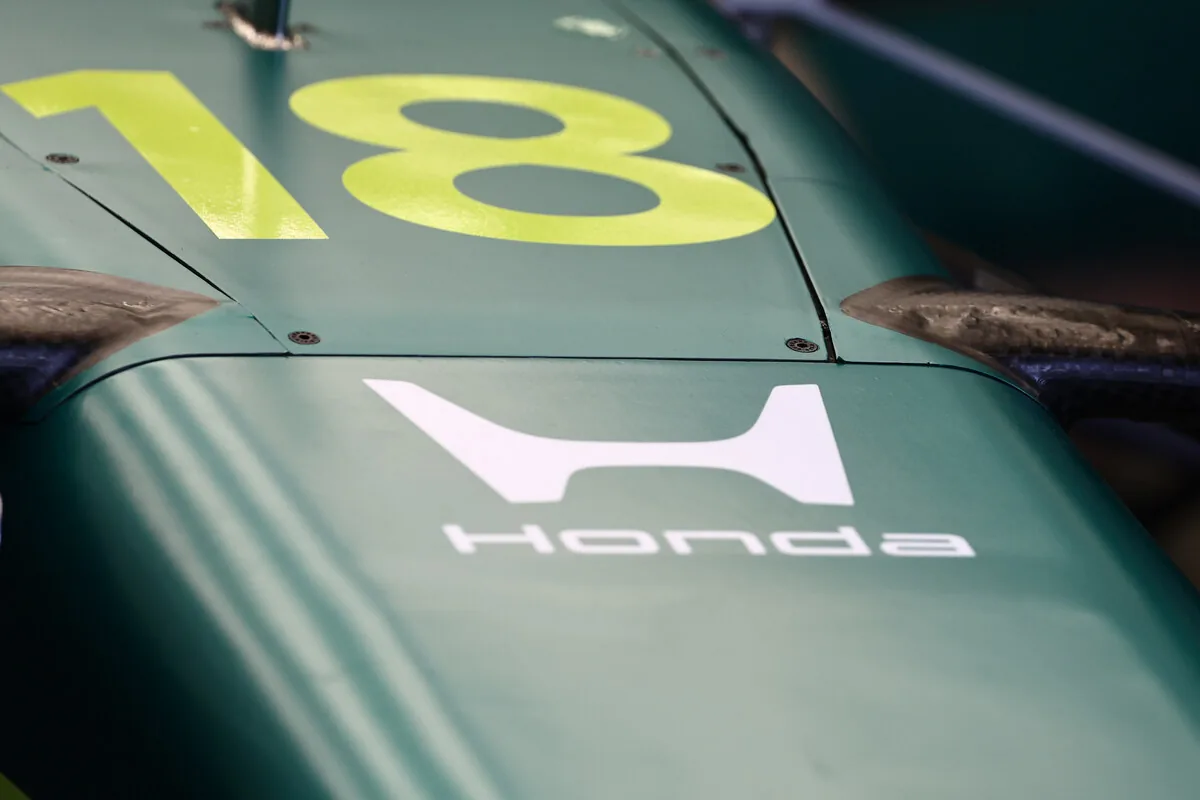
When things seem like they couldn’t get worse, Aston Martin-Honda always manages to find a way to surprise, negatively. In Miami, there was curiosity about the Silverstone team to understand if the five-week break had actually allowed the team and the Japanese engine manufacturer to make some progress in terms of performance. Negative answer, in fact: during FP1 the two English cars entered the track half an hour late compared to the competition due to power issues that occurred in the team’s garage.
Read more Hamilton: “I thought we would be stronger. I still want to be optimistic, we can be much higher”
The Sprint qualifying went decidedly worse: Lance Stroll did not record a single timed lap, while Alonso posted a 1:41.311, 10 seconds slower than Valtteri Bottas’s time, who qualified in 20th position. Not only did neither of the two AMRs enter the 107% of the best time, but the time set by the two-time world champion was slower than the worst time of the F2 qualifying (1:41.157). Essentially, Aston Martin would have started last even in the cadet series race.
Such a result could have put the participation in Saturday’s Sprint in doubt, but the FIA gave the green light because both drivers had managed to set a competitive time (i.e., within 107%) in the first free practice session. In all this, the statements released by the team and Honda sound almost mocking. The Japanese in the usual statement sent at the end of the session declared that “we have developed some solutions to counter vibrations. It was not only about intervening on the battery side, but also improving driver comfort and drivability“.
Read more Antonelli: “Messy session, then with the softs the car came to life”
Work continues
“During today’s sessions we verified that these solutions work as expected from the data and we also received positive feedback from the drivers – said General Manager Shintaro Orihara – this is a promising element for us and it is thanks to the hard work of both plants: HRC and Aston Martin. FP1 was a quiet session from the power unit point of view, as were the Sprint qualifying sessions, which represents a further step forward in terms of reliability, so we will continue to push. We optimized energy management based on these new settings; we are still learning and will continue to do so during the Sprint race and qualifying for the race“.
A noteworthy side note: the fact that Honda says the power unit was okay in qualifying represents a veiled accusation against the English team, suggesting that the problems that slowed down the AMR26 come from their side. Pedro de la Rosa, Aston Martin ambassador, speaking to DAZN about the team’s troubles and lack of updates, justified it this way: “We have worked a lot on vibrations, power delivery, overweight… on many aspects that cannot be summarized in the FIA sheet because they are not aerodynamic modifications, but important changes. No one should think we have been idle, Honda has worked day and night. We left a car in Sakura and this was very productive”.