




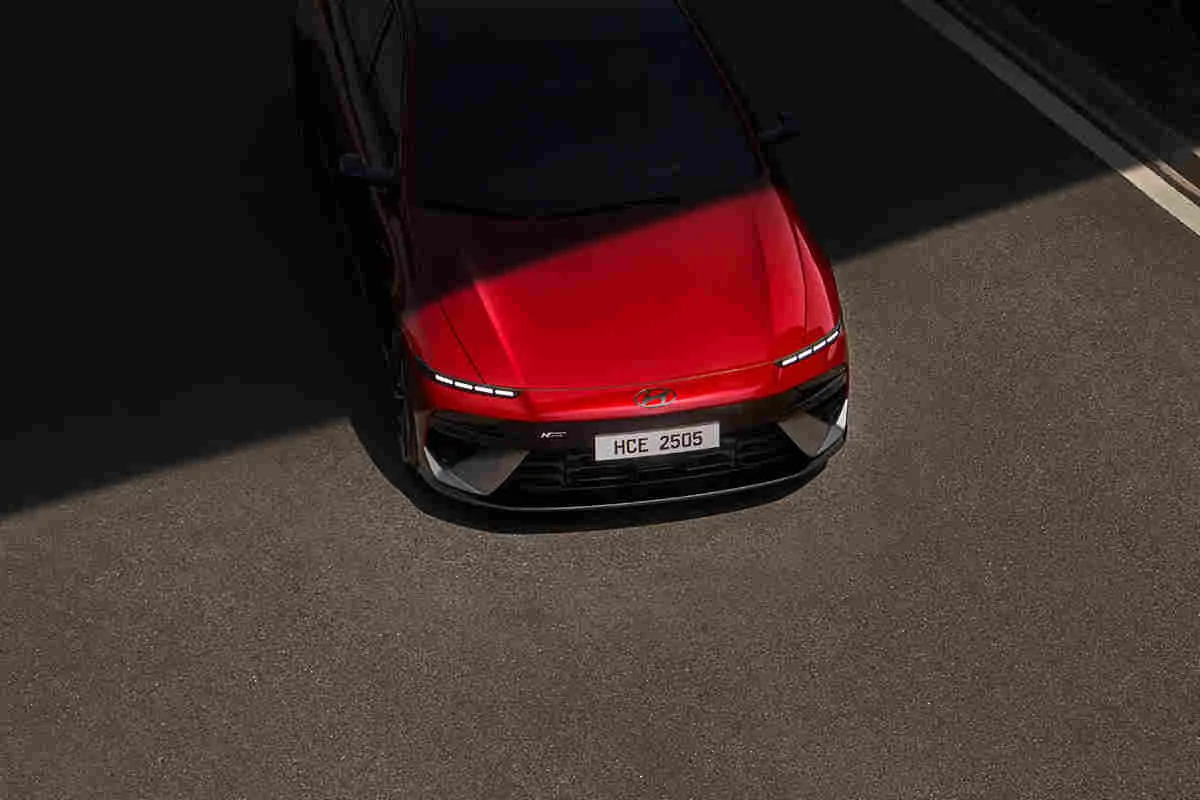
The new Hyundai Ioniq 6 N Line is one of those cars that don’t scream their electricity. They don’t need to. It arrives after the first generation, has stretched by seven centimeters to almost five meters, has more generous batteries, and a redesigned front with greater intent. But the real change lies elsewhere: it has stopped being just a very successful aerodynamic sedan and has started to look at itself in the mirror with a bit of sporting ambition.
Read more Milano AutoClassica and the idea of the silent show
The arched shape of the sides, which made it immediately recognizable even from afar, has remained. Only now it seems more taut, less like a design study and more like a car that knows where it wants to go. The front has really changed: the daytime running lights have moved up high, thin like two cuts of light, while the main headlights have dropped into the grille. The effect is that of a car that has lowered its gaze. The Cx remains at 0.21, a number that continues to impress: it means that the air, around this bodywork, still flows with a certain politeness.
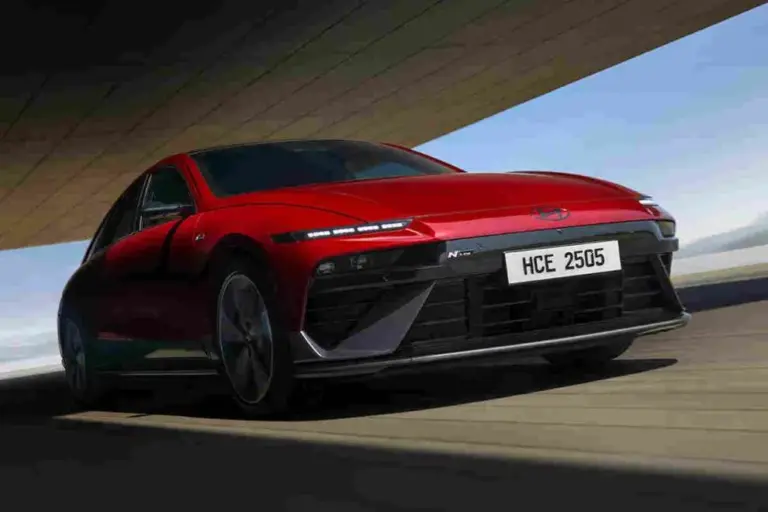
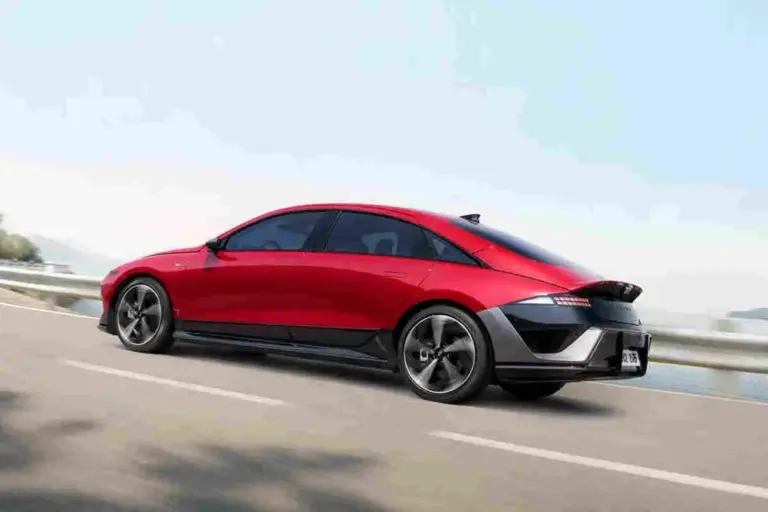
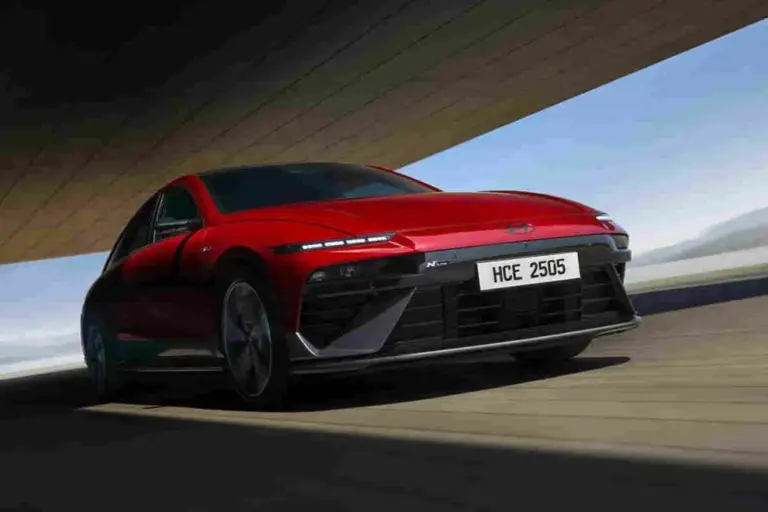
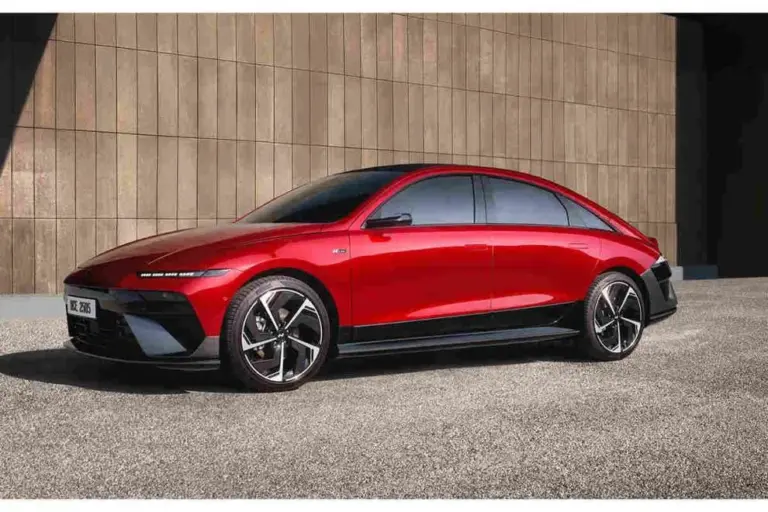
The N Line version is immediately recognizable by its more pronounced horizontal slat grille, twenty-inch wheels, and the contrasting black band that starts low and widens towards the rear, as if the car had put on a kind of work belt. It’s a discreet, almost timid, nod to the actual Ioniq 6 N, the one with over six hundred horsepower that just won the World Performance Car 2026 title. Here, the horsepower is 325, distributed across two motors, and the car seems to have received them with the order to use them judiciously.
The Interior
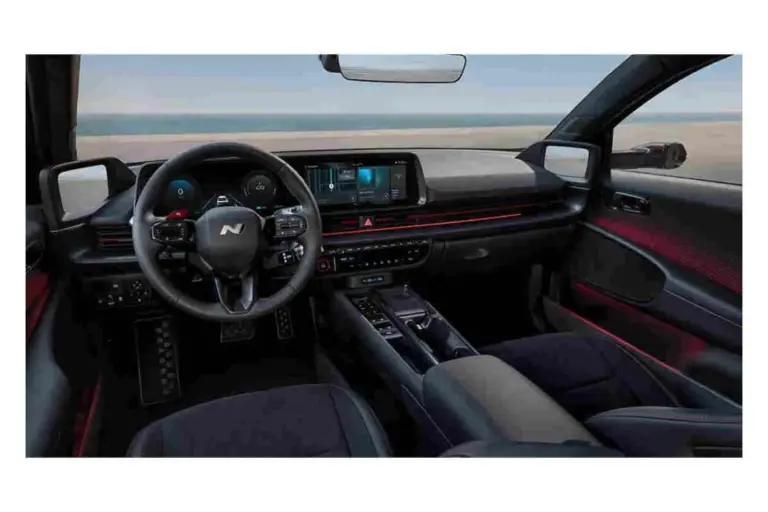
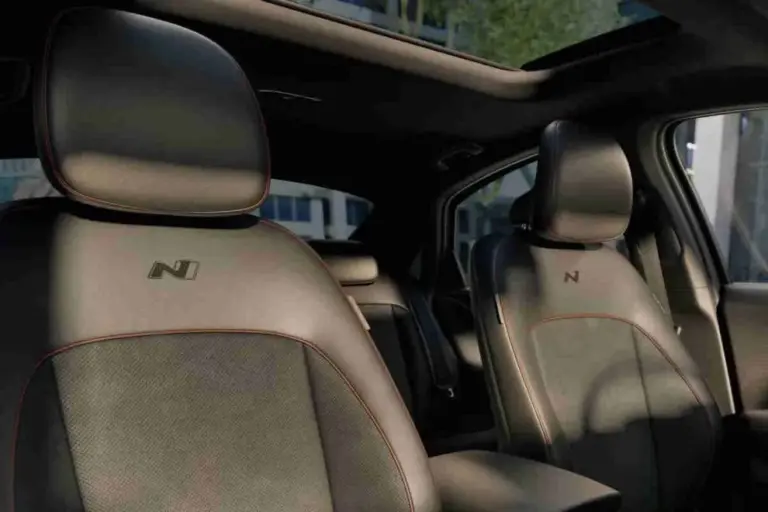
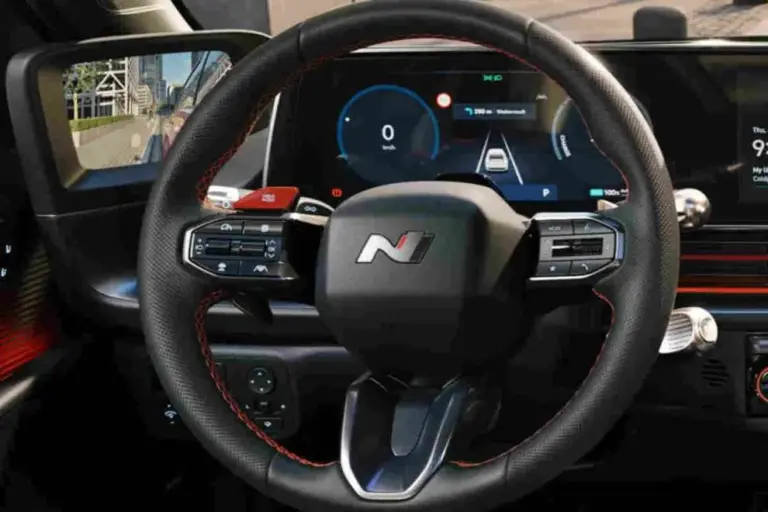
Inside, everything is tidier than one might fear. The new three-spoke steering wheel has a serious look, and behind it are the paddles to adjust regeneration: three levels plus the option to hold down the left one and activate one-pedal driving. It works well, as do the sports seats, which are supportive without being tight. The large “bridge” central tunnel has remained, and continues to steal a bit of knee room from tall occupants, but the rest of the cabin is generous. In the back, even with the very arched roof, the head does not touch the ceiling. The boot is what it is: 401 liters, no more. Electric cars almost five meters long are sometimes more generous with space for people than with space for things.
Read more The paradox of the electric car
The Technology
When driving, the N Line behaves like a car that knows it has 325 horsepower but doesn’t feel the need to prove it at every traffic light. The sprint from zero to one hundred in 5.1 seconds is there, and it’s sharp, but the power delivery is smooth, almost polite. The steering is direct, the weight of over two tons is noticeable but doesn’t overly impact handling. What’s most surprising, however, is the silence. At highway speeds, very little aerodynamic noise enters, also thanks to the cameras instead of mirrors (optional, but once tried, it’s hard to go back). The multi-link rear suspension gracefully absorbs bumps, and the car leans little even when pushed a bit in corners. It’s not a sports car in the classic sense of the term, but it has that composure that makes traveling pleasant even when you’re not in a hurry.
Charging
Charging remains one of its strong points. With its 800-volt architecture, it can accept up to 260 kW in direct current: in ideal conditions, it goes from ten to eighty percent in eighteen minutes. The declared range, in the most efficient versions, exceeds five hundred real kilometers with normal driving. It’s not yet the car that solves all electric vehicle problems, but it’s one of those that makes them a little less annoying.
Hyundai, with this updated Ioniq 6 and especially with the N Line, is doing something interesting. It’s not chasing premium German cars on their own turf, nor is it trying to appear more radical than it is. It’s simply stepping up its game, improving what already worked and adding a touch of character without betraying its nature. The car remains comfortable, quiet, and technologically refined. Only now, when you look at it, you get the feeling that it wouldn’t mind being a bit faster than it is. And this, for an electric car of 2026, is already a small step forward towards something that resembles driving pleasure.