
‘High voltage’ circuit
If we simply look at the final result of the Canadian Grand Prix qualifying, we could easily say that it reflects the values on the track and, consequently, that it was largely predictable, even obvious, but we would not do justice to a genuinely exciting and undecided session until the last second. As we have repeatedly pointed out in previous sessions, Formula 1 is finding an unexpected ally in the Canadian track from the engine point of view, with a electric recharge that is almost entirely completed in the many heavy braking zones of the circuit named after Gilles Villeneuve and which, therefore, is no longer the absolute protagonist, as seen in some of the early races.
Read more Impeding by Hamilton on Gasly: no penalty for the Ferrari driver
The result is that we are talking again about tires, temperatures, and driving details making the difference again. To be honest, there is even more: the morphology of the track, a textbook “stop & go,” does not have sections with high lateral loads but maximizes longitudinal stresses on the car. This makes the optimization of a mechanical setup that controls the pitching of the vehicle body well essential, while still ensuring the necessary lateral softness to properly absorb the many bumps and high curbs present on the track. If we then add to this mix that in almost all the straights the active aerodynamics can be activated by opening the wings, we understand that in Montreal the mechanical setup becomes even more predominant compared to the aerodynamic one. The list of peculiarities is not yet finished, however, because to everything just described must also be added the increasingly cold environmental conditions, which, in the absence of lateral loads, prevent the tires from quickly reaching the right operating window, with a significant influence also on the level of grip available to the drivers.
Mercedes still queen, but with many blunted weapons
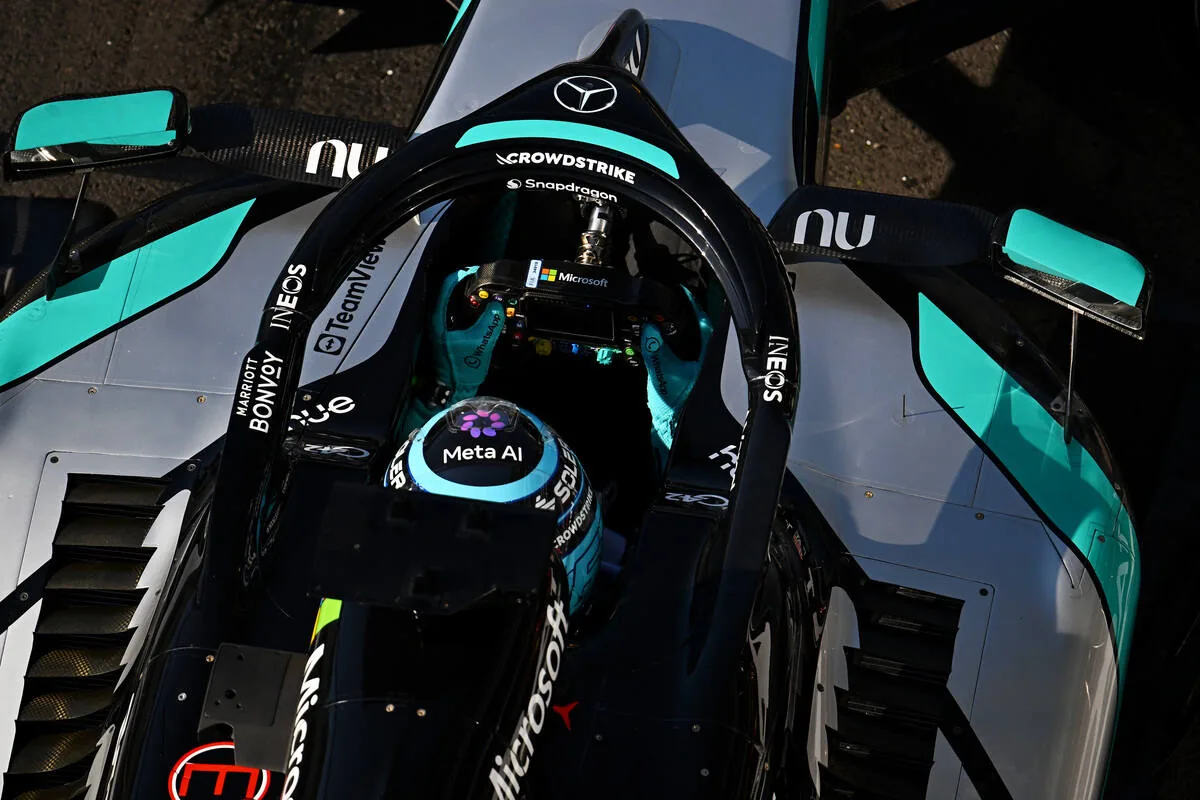
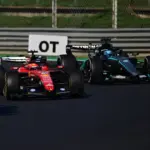
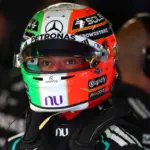
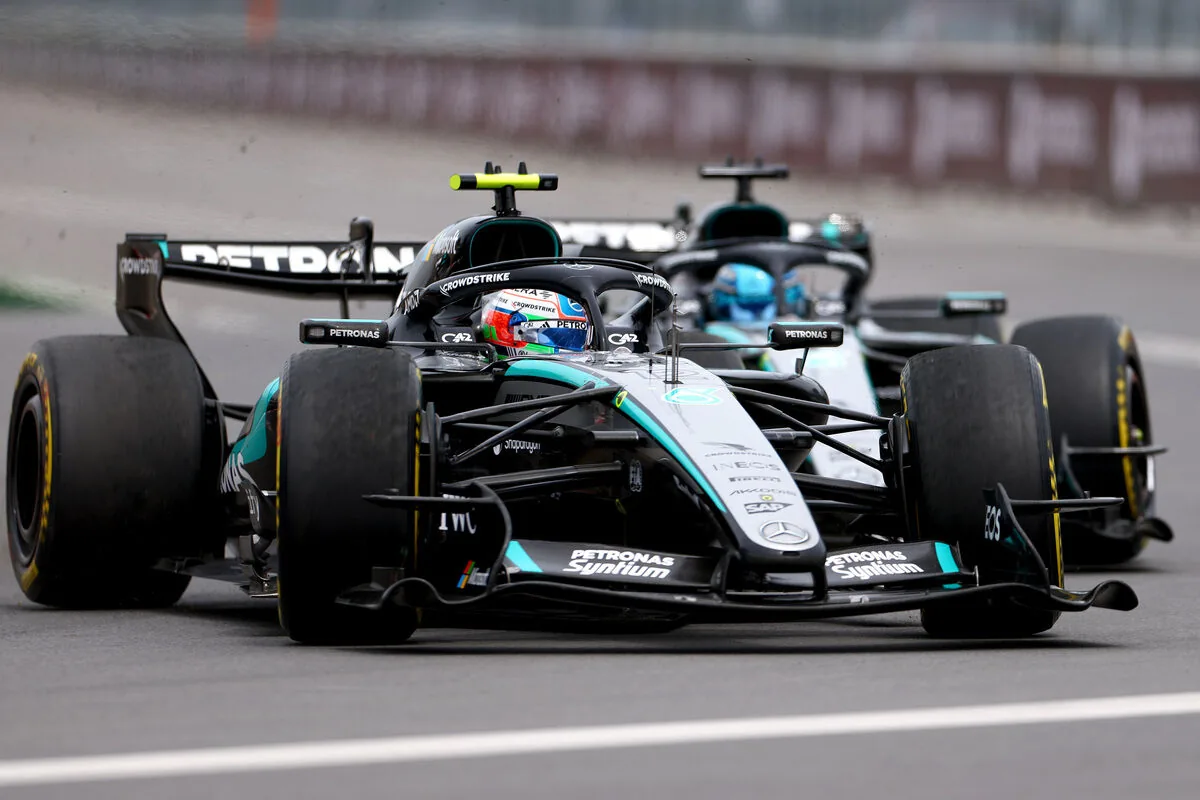
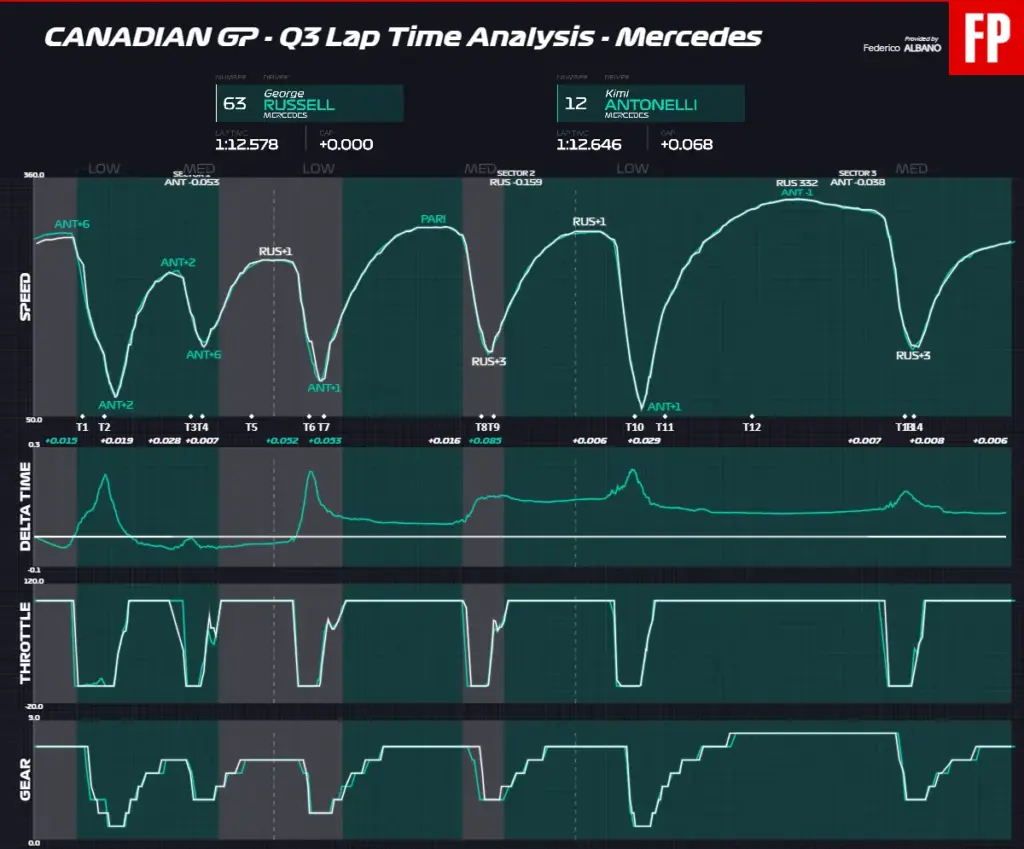
From this mix of factors, however, Mercedes emerges once again as queen, monopolizing the front row also in the Grand Prix after doing so in the Sprint, and with, curiously, the same gap between the two drivers. The competition, however, already not so far away in the sprint qualifying, has come even closer, with the first 8 drivers within just 4 tenths. With these temperatures and this track morphology, Mercedes cannot fully exploit the new update package (which worked better in the first free practice session also thanks to milder temperatures) and must cling to the engine and the drivers’ bursts to secure the top positions, held by the competition until the last attempt of Q3. Antonelli appears, in fact, in great shape on this track, at least on par with Russell, if not superior, but the Englishman pulled out an excellent performance right at the last moment, when it mattered most. Looking at the comparison data, what we see is that the two laps are largely overlapping, except in the two direction changes of 6-7 and 8-9, where Russell makes the difference on corner entry, also thanks to a better downshift. Antonelli then manages to recover a few thousandths in the last part of the lap and continues to be better than his teammate in the last S, but he cannot put everything together perfectly, with an ideal time 119 thousandths lower, against Russell who instead makes his ideal lap precisely on the last run, securing pole. Seeing what happened in the Sprint, the race will probably be fun even just with the two Mercedes flag bearers on track.
McLaren slow on the straight
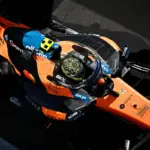
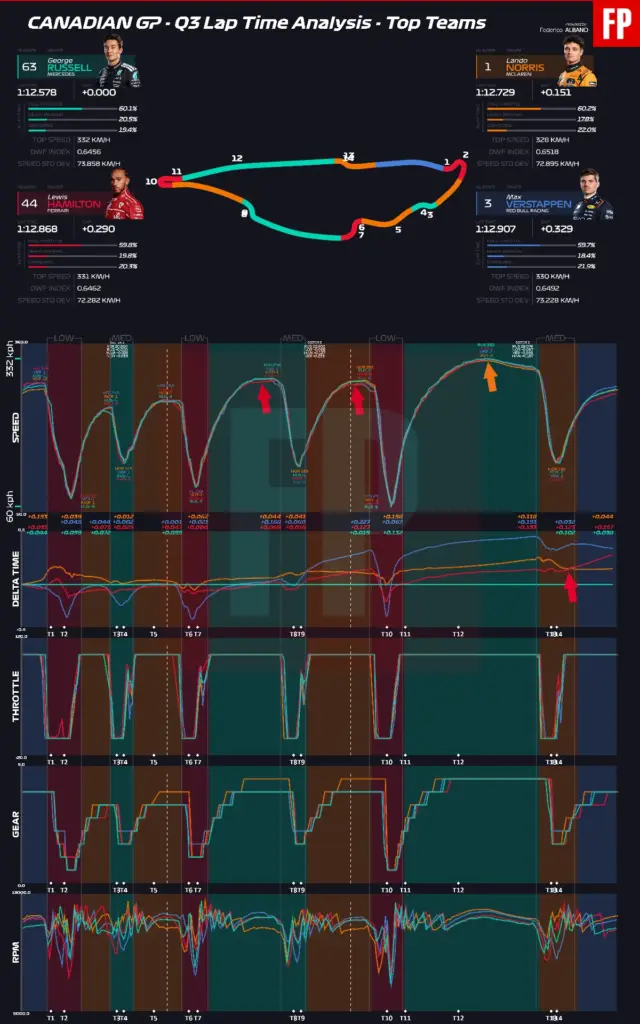
Behind the two Mercedes, the entire second row is occupied by the two McLarens of Norris and Piastri, also separated by about half a tenth. The Woking car continues to excel in traction but pays for a couple of less-than-ideal direction changes, perhaps the result of a not perfect front given the rejection of the new wing, and expresses, practically every lap with both drivers, between 2 and 4 km/h of maximum speed deficit compared to the same Mercedes. The impression is that the Woking engineers prefer greater delivery in the previous straights, sacrificing a few tenths in the final straight. McLaren, however, also appeared strong on pace and Norris and Piastri will certainly try to insert themselves between the two rivals starting ahead of them, even if the lack of top speed can be a penalizing factor in terms of overtaking and close battles.
Ferrari third force with only Hamilton
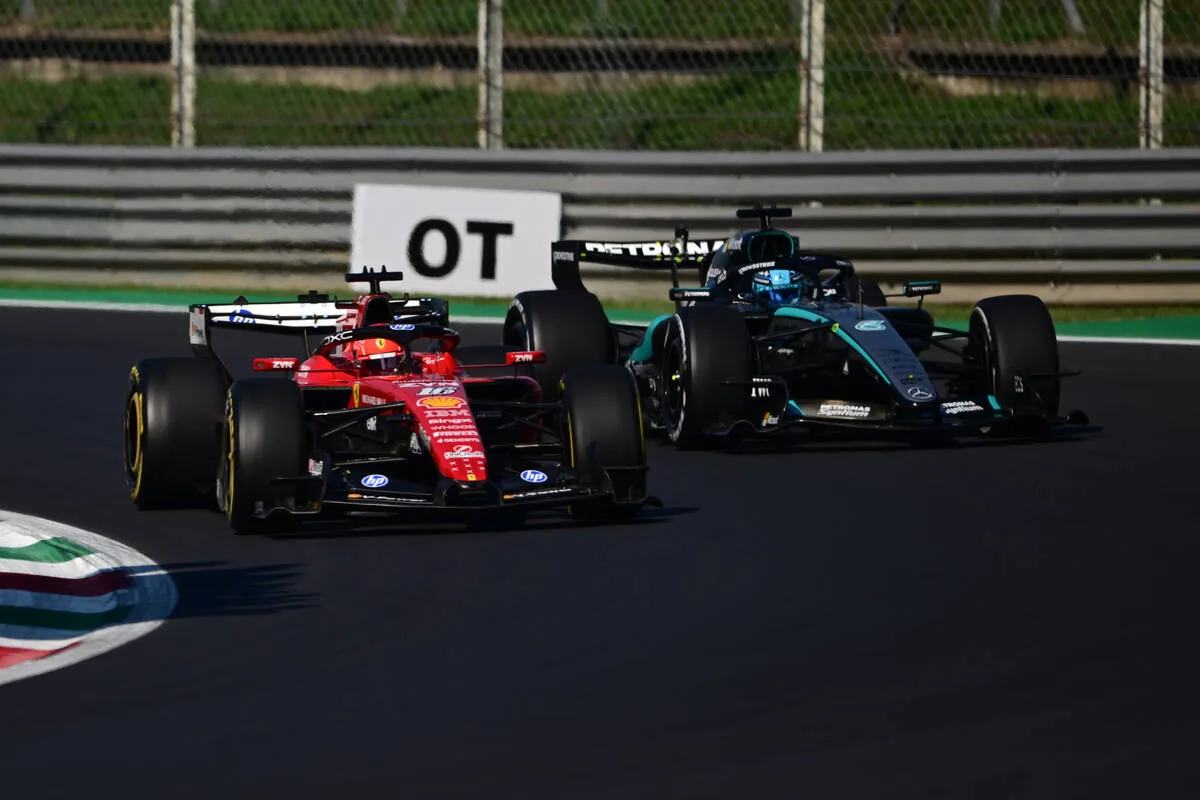
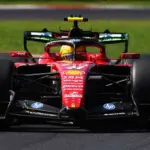
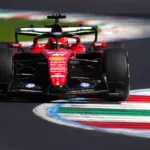
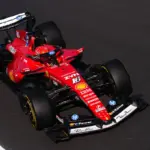
As for the Maranello team, it is Hamilton for now who is carrying the team on his shoulders this weekend. The impression on the balance is excellent, but there is a lack of energy to spend in the central sector, and traction power out of the tight corner, as well as on the last straight after the champions’ wall. In corners, the SF26 driven by the 7-time world champion is really excellent, and until the entry of the last chicane Hamilton had the third position behind the Mercedes in hand, but a better passage in that section by Norris and Piastri guarantees them to overtake Hamilton. The impression is that the latest mechanical changes implemented by the team to help Hamilton himself work particularly well, and allow Hamilton to quickly bring the tires up to temperature, then exploit them at their best. Conversely, Leclerc cannot warm up the tires and his session becomes a bit of a ordeal, although, as mentioned, he still qualifies eighth at “only” 4 tenths from Russell. It is worth noting that Hamilton perhaps had the margin to fight for third place even on the last lap, but it started with the wing opening system inactive and ended with a mistake by the Englishman in an attempt to recover the time lost initially.
The race promises to be really interesting and unpredictable, with the addition of the weather uncertainty that seriously threatens rain. The premises are the best seen so far, we will see if the action on track will at least maintain them.
Read more Leclerc: “Given my situation, the rain could make things even worse”