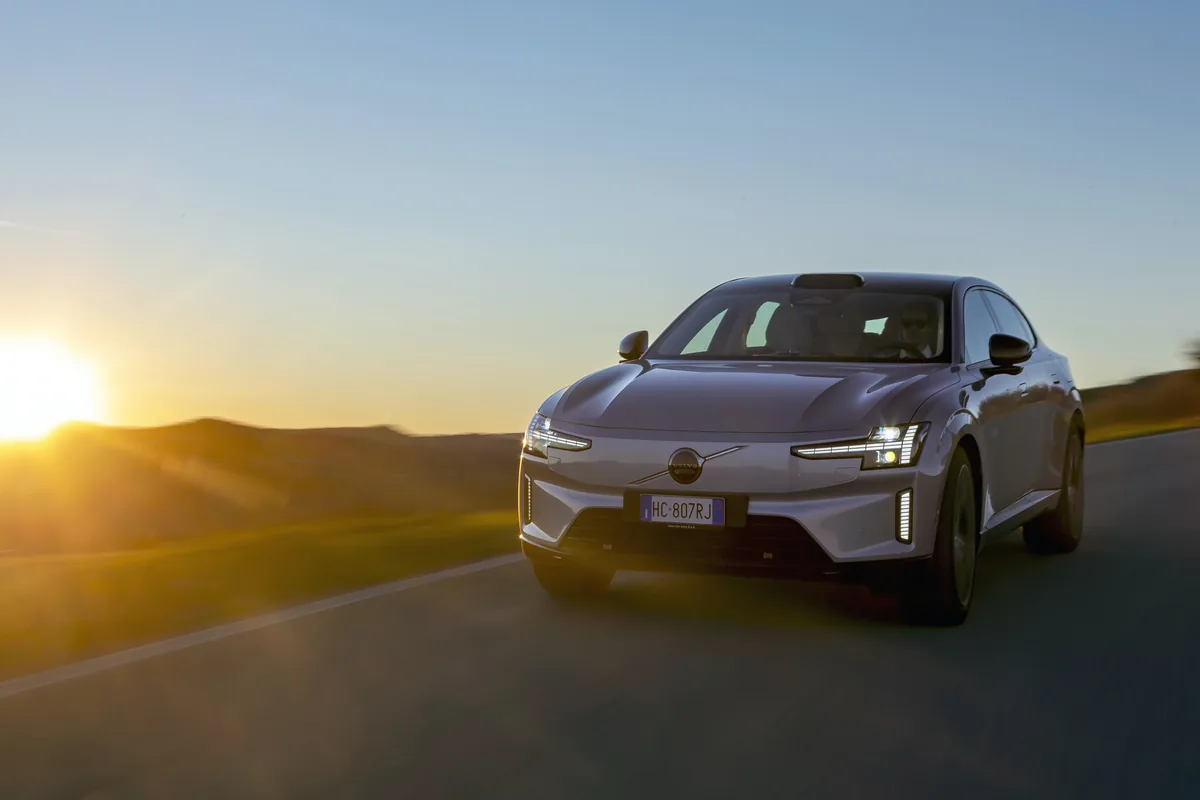









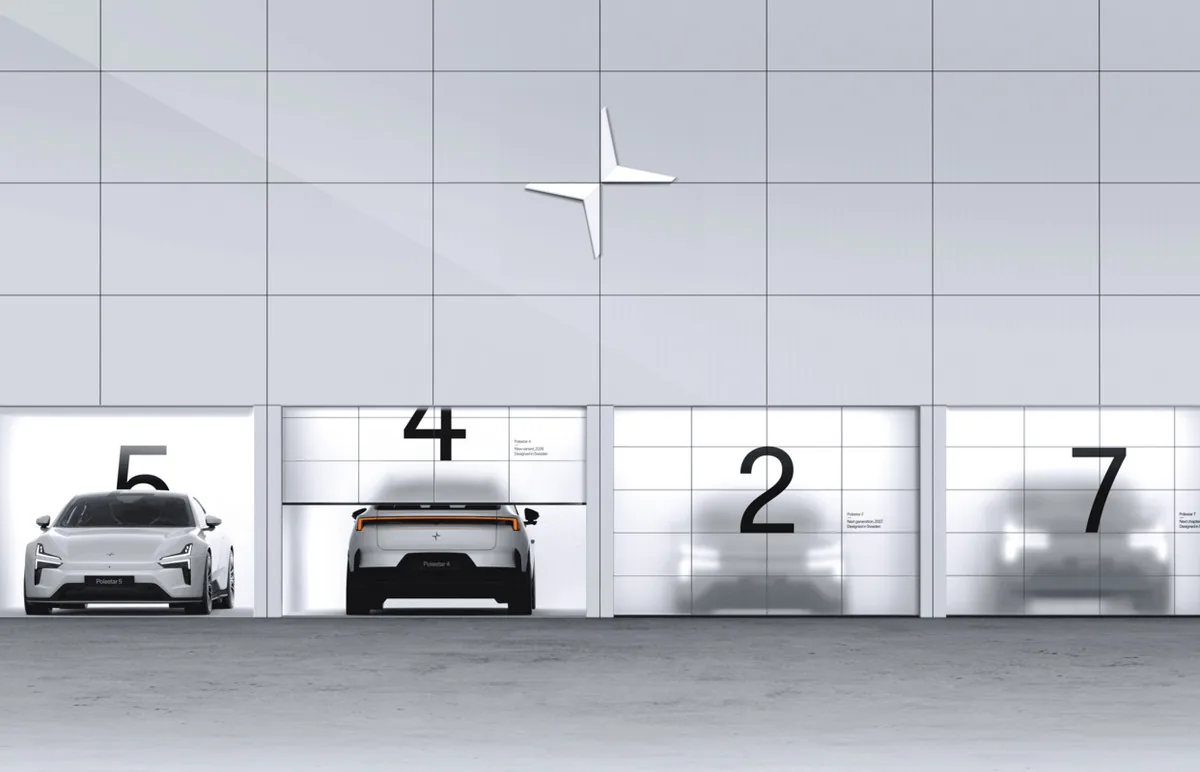
Michael Lohscheller, CEO of Polestar, does not seem at all worried that the brand’s ambitious growth plan could undermine the premium and sporty image that distinguishes it, especially compared to Volvo. In a context where the current range of the Swedish electric vehicle maker has historically been oriented towards the high-end segment, with naturally lower volumes compared to typical mass markets, Polestar is now aiming for a scale change. The goal is to drastically increase the global share and push sales towards 100,000 vehicles annually, surpassing the approximately 60,000 forecast for 2025. The point, for Lohscheller, is that the increase in numbers must not turn into a flattening of identity.
Read more Mir: “Shame about the penalty, but it doesn’t take away from my and the bike’s potential”
Polestar maintains its premium image
The strategy also involves expanding the range towards more generalist segments, while remaining faithful to a “tailored” approach. In the brand’s plans are, among others, a station wagon based on the Polestar 4 family that will be announced shortly, and a compact SUV closely related to a similar Volvo model. A choice that can bring Polestar closer to the territories where Volvo operates, but which is presented as a controlled move and not as a convergence of positioning. Lohscheller indeed claims that design and tuning will remain central, with every new model designed to differentiate itself both from the competition and from the cars with which it will share platforms and technologies. The idea is to maintain a clear distance “by identity” even when entering similar market classes.
No “competition” with Volvo
Outlining the next steps, the CEO reiterates that four models will arrive in the next three years. It starts with Polestar 5 as a “truly unique” proposal. Then comes the already mentioned station wagon variant of the Polestar 4 as a strongly characterized reinterpretation. Next is the turn of the Polestar 2 successor. And finally, space for a compact Polestar 4 SUV described as “super cool.” The key idea is that the brand’s DNA is not just marketing but substance: from design to chassis tuning, with the goal of “putting the Polestar DNA in the car” even when sharing technical bases. When asked about the possibility of maintaining creative autonomy on shared architectures, Lohscheller responds with a clear statement: they do not want to “produce cars for everyone,” but to build distinctive models.
Click here to add Formula Passion as a preferred source on Google Discover: you will find our content more easily!
Read more Alex Marquez operated successfully: in the late afternoon he will leave the hospital