






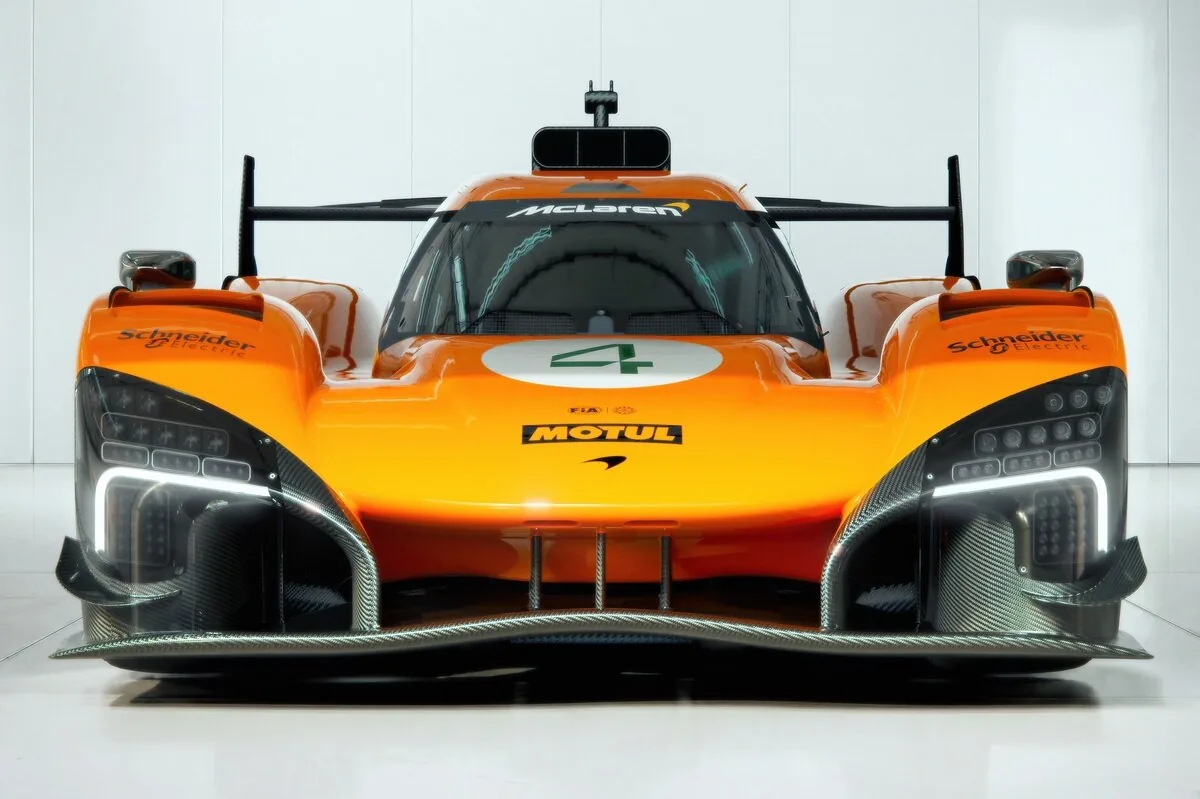
Of the many entries into the WEC in recent years, McLaren’s was among the most anticipated. It is therefore understandable the interest aroused by the MCL-HY, a car built around the Dallara chassis, but with aerodynamics decidedly different from those of the other manufacturers that collaborated with the company from Varano de’ Melegari. The difference, however, will be made by the ability to extract the maximum from the package, including the engine, making it a priority to accumulate kilometers and experience.
An Italian McLaren
The skeleton of the MCL-HY is the Dallara chassis, a reality also approached by Cadillac and BMW, not to mention the collaboration with Ferrari. The Italian company also had to study the installation of the engine, developed in collaboration between McLaren and the Cremonese ATM-Autotecnica Motori. The thermal engine is a 2.9-liter V6 biturbo, a displacement that makes it the second most compact on the grid behind Peugeot. On paper, the biturbo architecture minimizes the response delay when exiting corners, avoiding the need to overuse the electric motor to compensate for turbo lag. In general, the choice was to prioritize reduced size, lightness, and efficiency, in a regulatory context that limits maximum power.
That said, however, the engine will not be a differentiating element. With Hypercars the challenge lies in staying as close as possible to the power curve imposed by the Balance of Performance, but without exceeding it, making calibration and control work extremely important. The V6, moreover, will have to cooperate with the standard LMDh hybrid system, made by Bosch. The game, in this case, is played largely on the software side, trying to optimize energy management, braking stability, and traction.
Intriguing aerodynamics
Similarly to the thermal engine, aerodynamic development is also limited in terms of absolute performance. Downforce and drag must fall within a narrow performance window, verified at the time of homologation in the wind tunnel. The difference, in this case, is made by balance, drivability, the breadth of the operating window, and the consistency of the aerodynamic map. The goal is to reduce the sensitivity of the floor to ride height oscillations, but equally important is to express good efficiency on the straights, fundamental on the long straights of Le Mans.
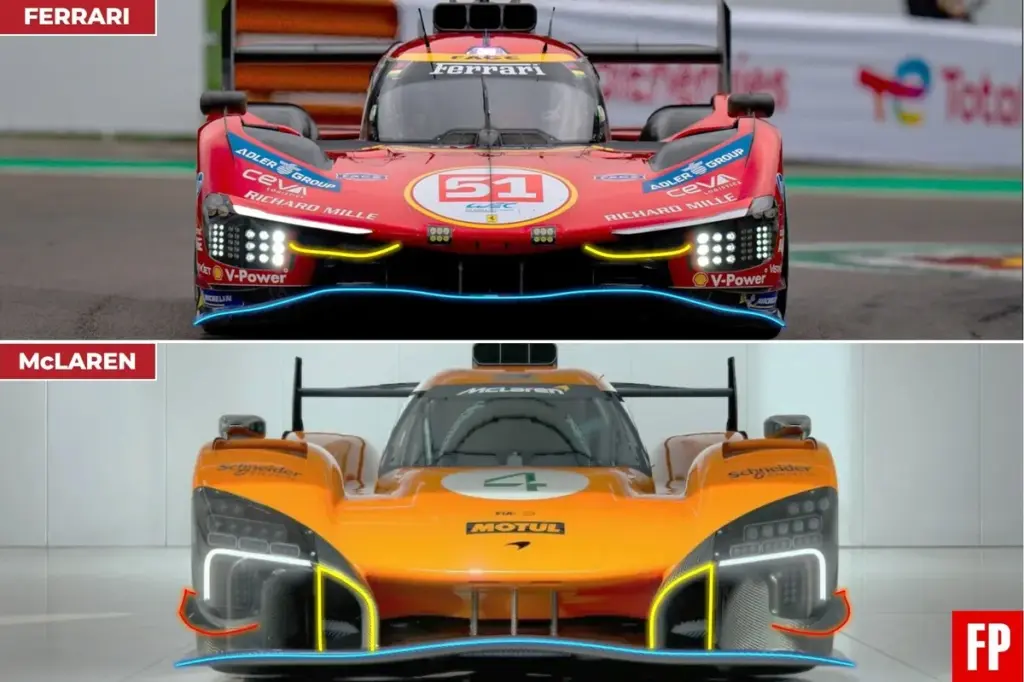
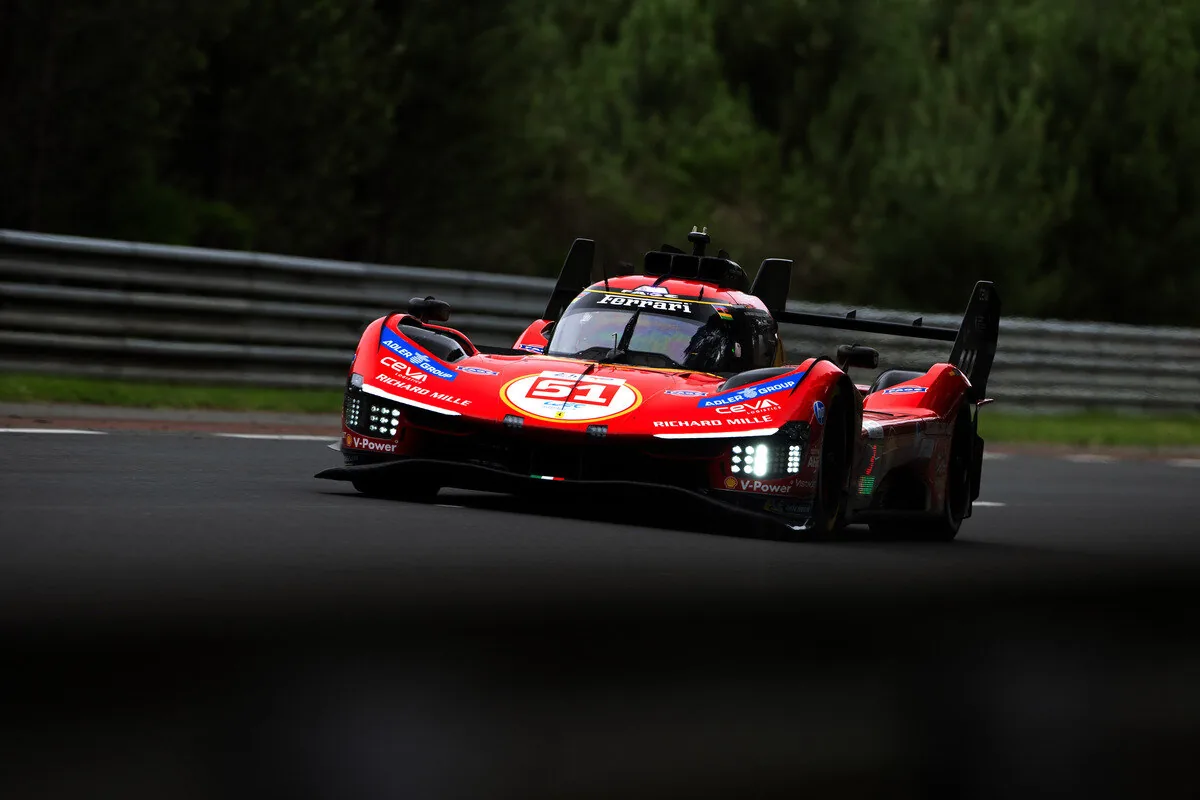
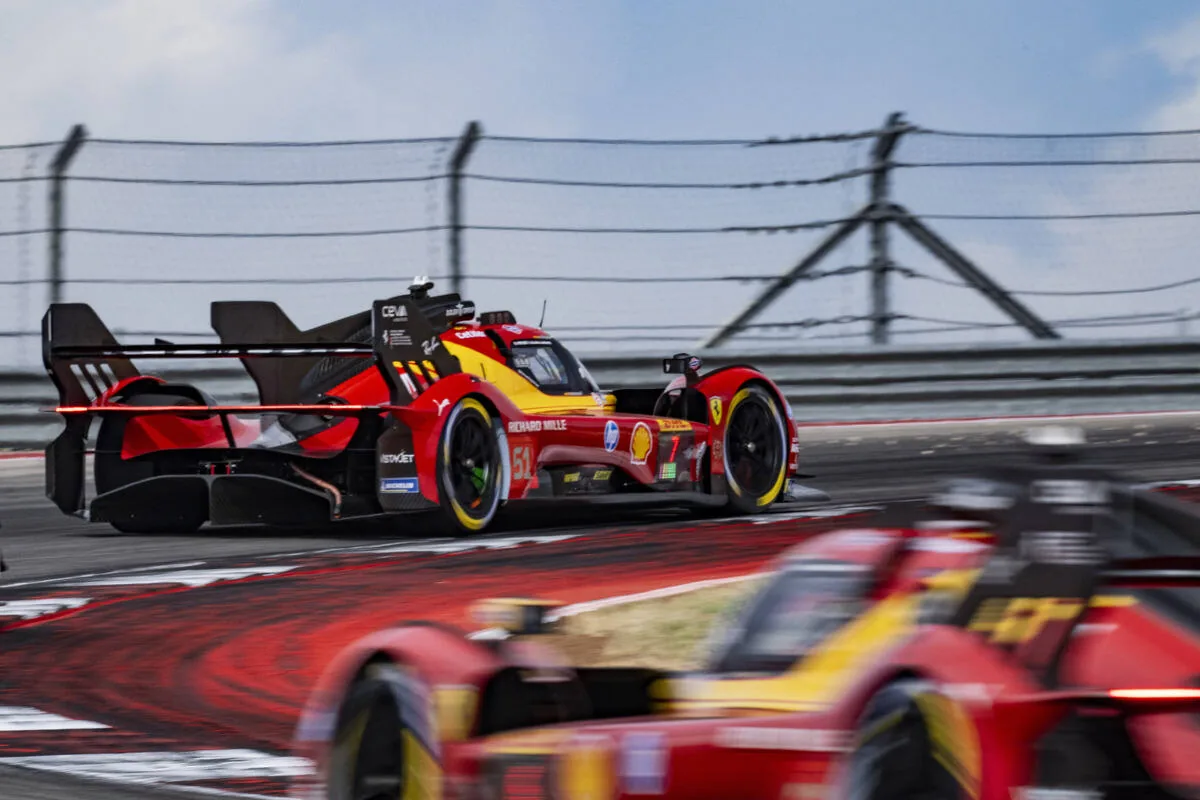
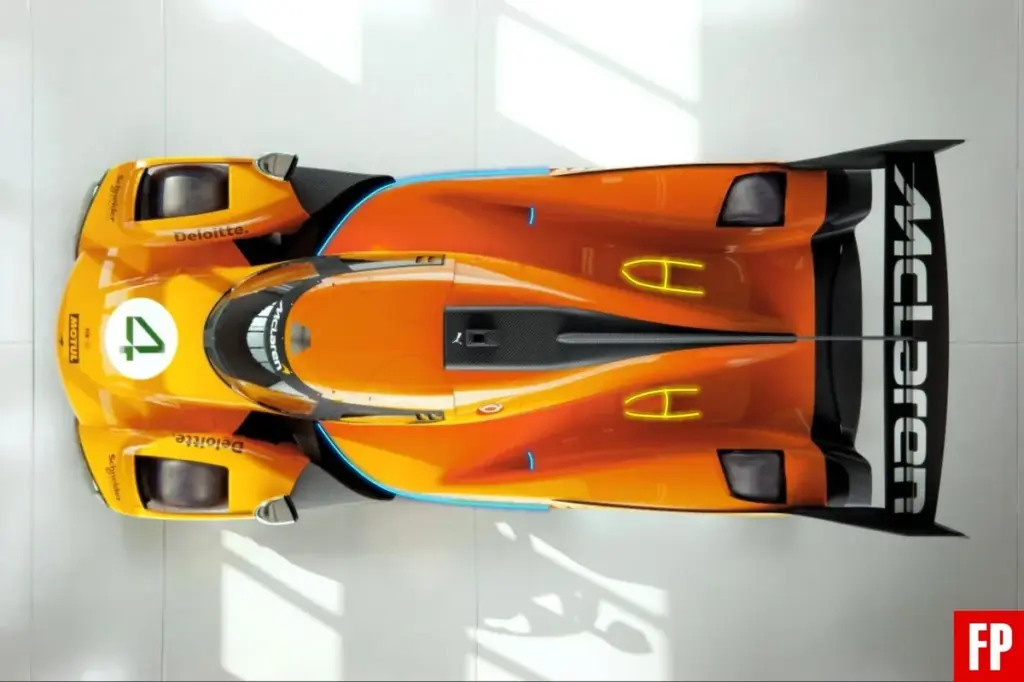
At the front, the MCL-HY sports a splitter decidedly different from both Ferrari and Toyota, confirming the wide variety of geometries in the Hypercar class. The front air intakes are vertical and located near the headlights, themselves surrounded by two small diveplanes. The most interesting solutions concern the central bodywork, starting with the long curved partitions behind the front wheels that collect turbulence to move it away from the floor. McLaren, moreover, is the manufacturer that has extended the side sill rise that flows into the rear wheel arch the most, creating cooling grids there, suggesting the presence of some radiating masses.
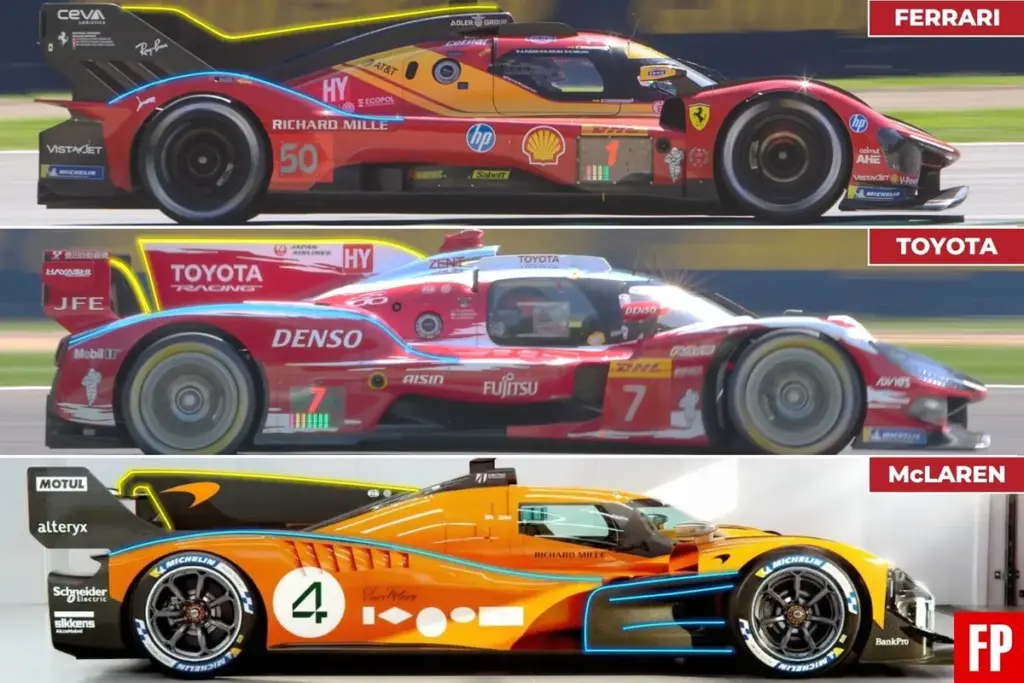
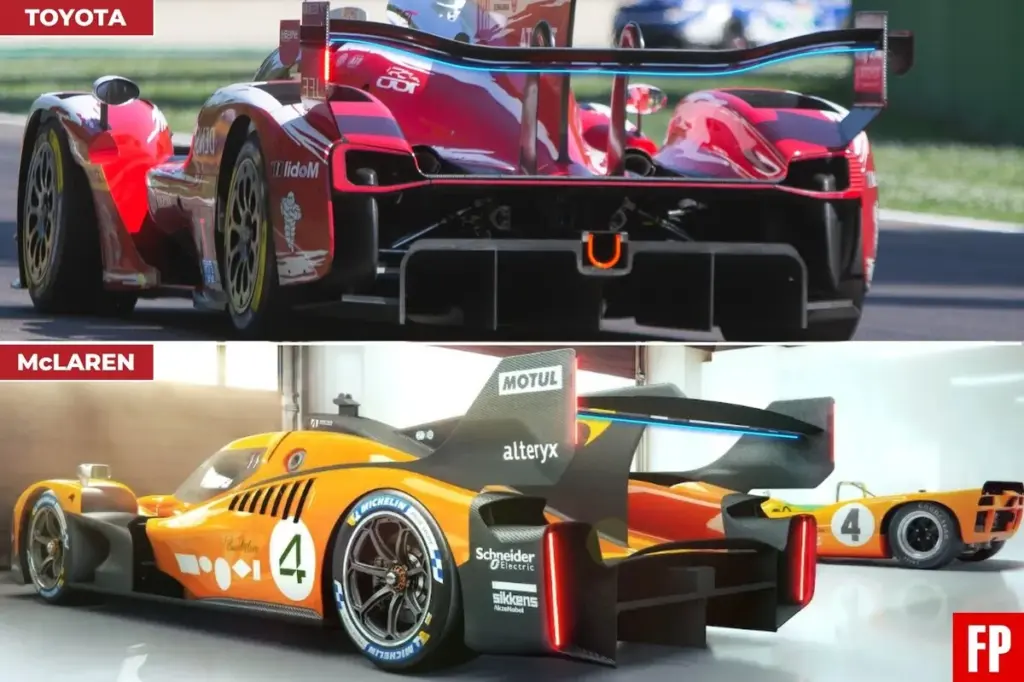
Although with different shapes, the stabilizing fin reprises Ferrari’s idea of using it as support for the rear wing, while Toyota uses two dedicated pylons. The MCL-HY also mounts a straight-profile rear wing, giving up, at least for now, the spoon-shaped setup of the TR010. The exhausts, finally, are located in the channels inside the wheel arches, unlike the Ferrari 499P, where they emerge from the hood in a central position.
A mountain to climb
For McLaren, a long testing program now begins to learn to know the MCL-HY and its needs, understanding which setups it needs to work at its best. The first goal will be to strengthen reliability, essential to gather data to work on in search of performance. Most likely, 2027 will be a learning year for the Woking team, also from the point of view of track operations, but inevitably the focus is already on Toyota and Ferrari up front.