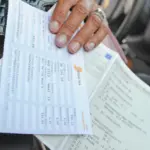








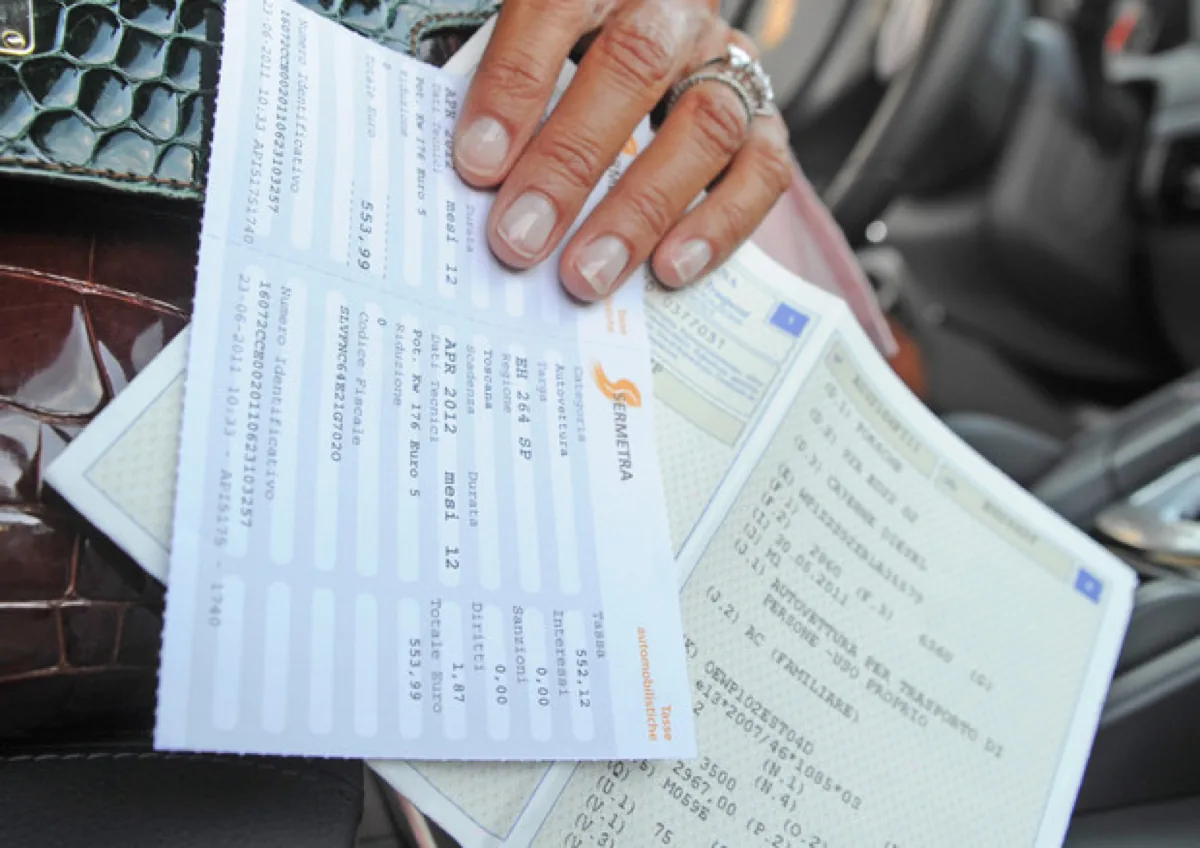
Giorgia Meloni said that the government is abolishing the car tax, “one of the most hated taxes by Italians.” On this, for once, the country is united. The hatred for the car tax is bipartisan, cross-class, and intergenerational. It unites the Panda retiree and the Porsche lawyer.
Read more Lancia Gamma at the ministry
In 2027, according to the draft decree, those who have a car up to 80 kilowatts will not pay the tax. About one hundred and nine horsepower to understand. It also applies to motorcycles and mopeds, but with a clause that smells of state accounting: only if the same owner has not already used the benefit for a car. If you have a small car, the motorcycle still has to pay. If you have two small cars, the weaker one is saved. With equal power, the one that would cost less. If you have two mopeds, the oldest wins. The state, moved to pity, does not reward need: it rewards the weakest car, the oldest scooter, the most modest kilowatt.
The strategy
The prime minister explained that the scheme is the one used by the Berlusconi government for the house: the tax on the first property is abolished, “trying to focus on those who need it most.” The first home and the first car: the two altars of contemporary Italy. On the other hand, it should be remembered, much of our idea of well-being has taken place between the walls and the hood. Having a roof and having a means to get out of it. Meloni evokes the Berlusconi precedent with the naturalness of someone who considers that season a still valid form. There is an emotional continuity, in this center-right, in treating ownership as proof of existence. You exist if you own.
The power limit
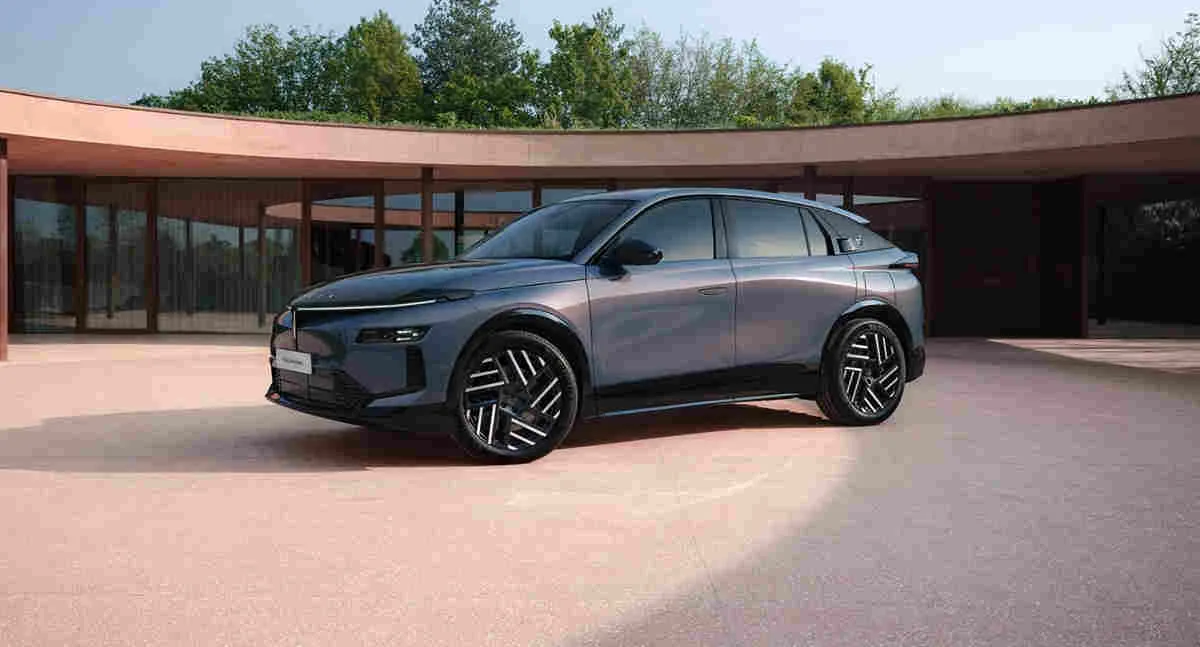
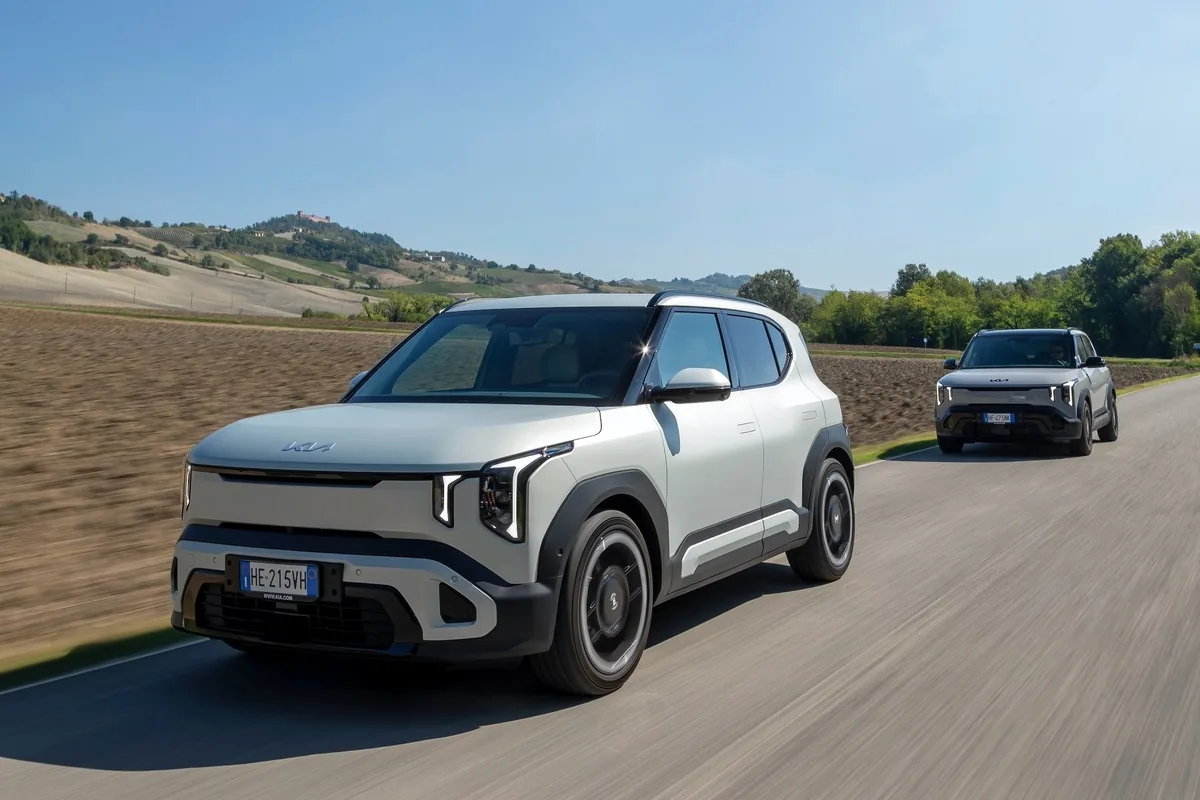
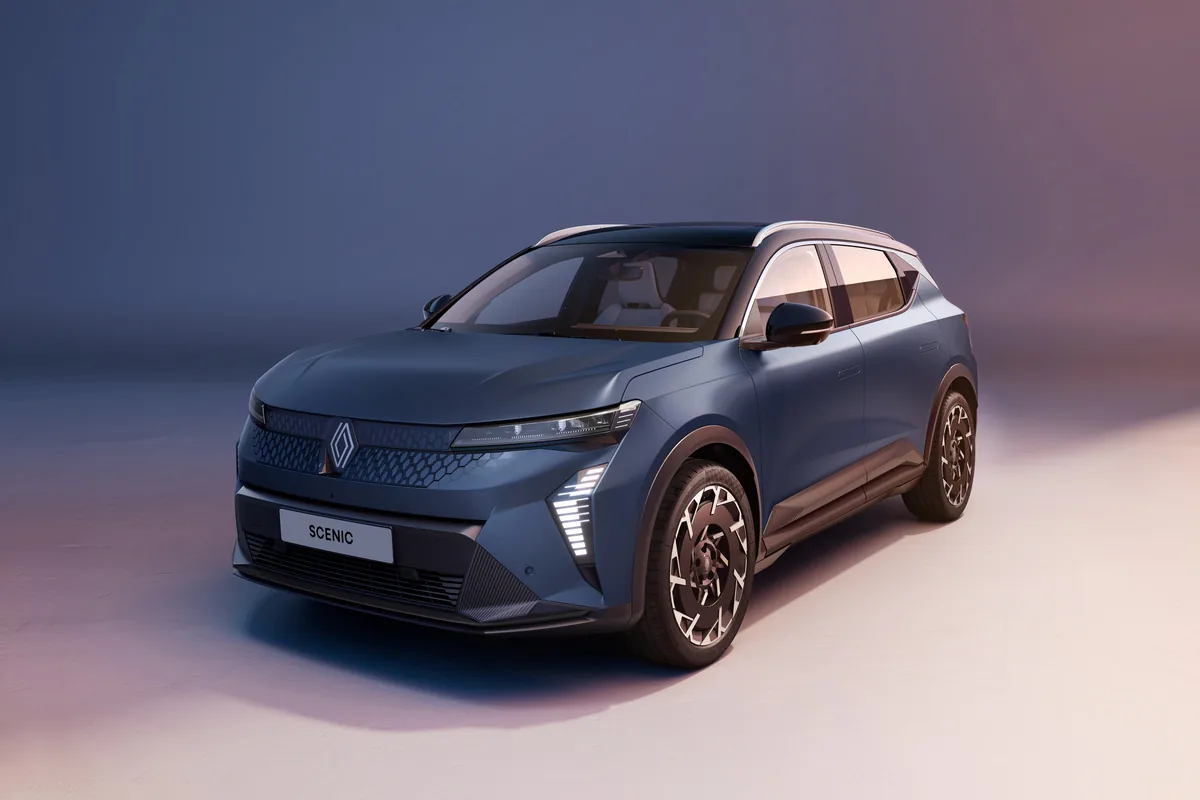
Eighty kilowatts. It is not a low number and it is not a high number. It is the average number. Inside are the Panda, the Ypsilon, the Clio, the Sandero, many entry-level versions of cars that in advertisements seem like adventures and in the city line up at the traffic light. Outside remain the Golf, certain Yaris Cross, the German compacts that were once the dream of the middle class and today are the tax boundary. We are not talking about Ferrari. We are talking about the invisible boundary between those who “need” and those who, having eleven more horsepower, obviously manage. Need, in Italy, is still measured in the registration certificate, item P.2.
How long the exemption lasts
The precision of the text is striking: it is an exemption for one year, for a single vehicle, for individuals, for petrol and diesel including hybrids, provided that… Every “provided that” is a little masterpiece of distrust. The Italian state, when it gives a gift, does it like the aunt who gives you money for ice cream and then asks for the receipt. Fourteen and a half million vehicles, they say. Seventy percent of the car fleet. An audience for a permanent election campaign. Then, however, the detail: the Regions collect the tax, so the State “will transfer the resources” of the lost revenue. About two billion three hundred million. The money does not disappear: it changes pocket. It is our national specialty. Take from here, put there, and call the maneuver freedom.
Blessed are the poor in power
One can smile. Indeed, one must: the idea that social justice passes through the comparison between two small cars parked in the same courtyard. Yours is 74 kilowatts, mine is 81: you are the people, I am luxury. Yours is from 2009, mine from 2018: the most remote moped deserves grace. It is the parable of the publican and the Pharisee rewritten by the Revenue Agency. Blessed are the poor in power.
There remain, as always, the things the decree does not say and the Italians know. That the car is hated also because it is an organ for us. Without it, you do not go to work, you do not take your child to swimming, you do not reach your mother in a village where the bus passes twice a day and one has already gone. That “those who need most” should perhaps be measured by income, not by horsepower. That an exemption for 2027 only looks more like a discount coupon than a reform. That the most hated taxes remain hated even when, for twelve months, someone removes them: because the next year they return, and with them returns the suspicion that the State has only lent you a smile.