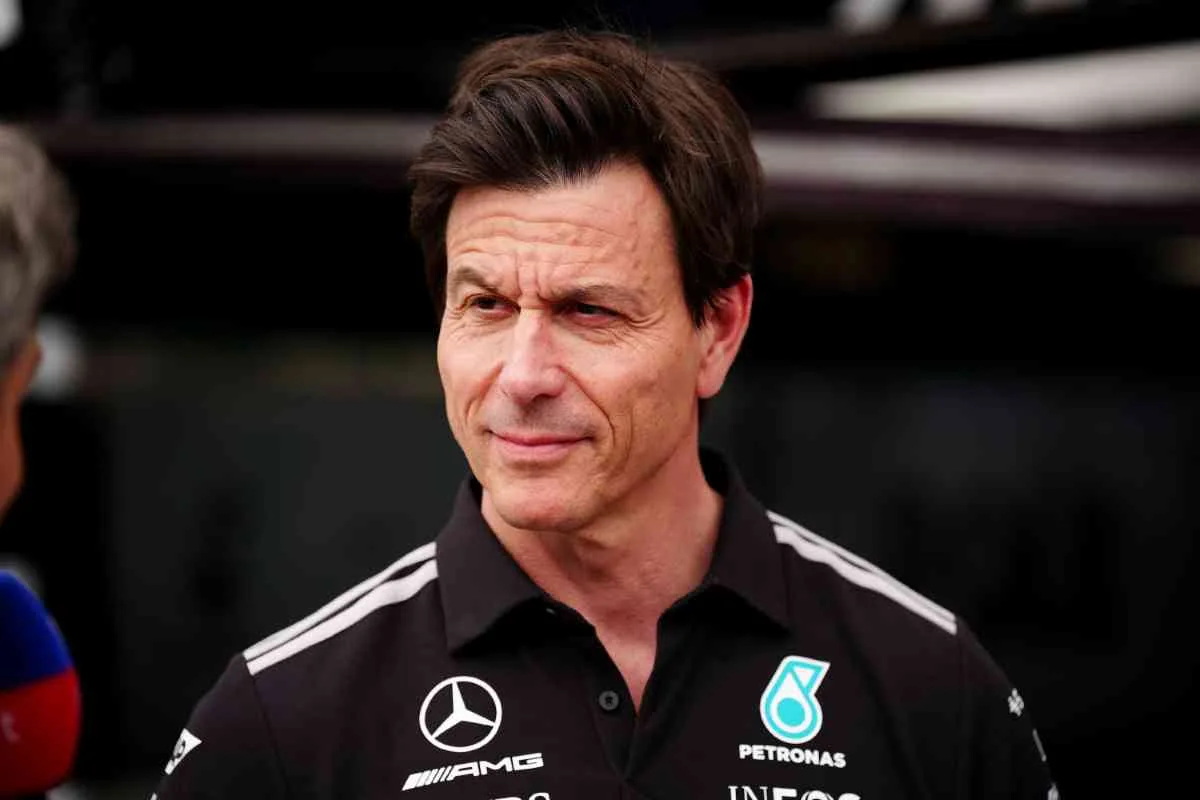

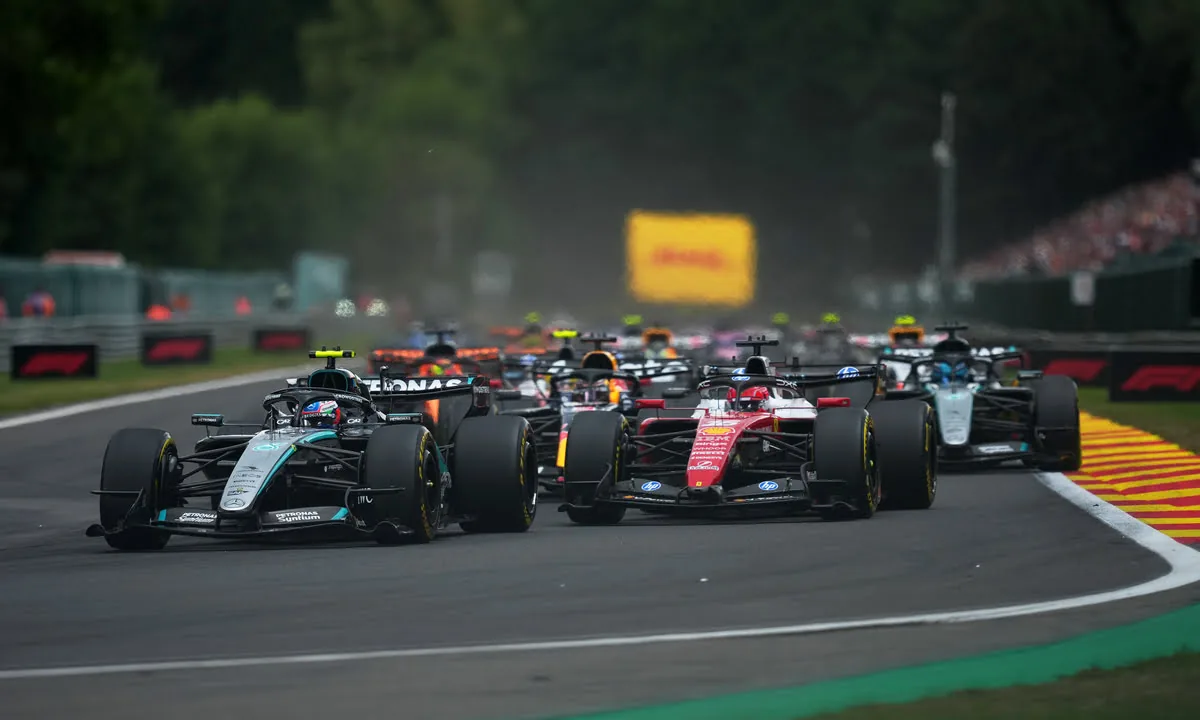
FIA and Formula 1 are already thinking about future regulations, with a very different approach from last time. The U-turn on electrification has shown how changeable the mobility sector can be, with respect to which the Circus could take a different direction. This is the thought of Stefano Domenicali, who during the Monza weekend met the Italian press, including FormulaPassion, taking stock of the regulations to come.
Read more Barrichello: “Zanardi taught me to fly at Monza in 1992”
Light cars and in the hands of the drivers
“The Federation is responsible for presenting and controlling the regulations”, Domenicali specifies. “Soon, however, we will explain the alignment on future powertrains and the choices related to the cars. Anyway, it must be remembered that when the regulatory change we are experiencing today was addressed, it seemed that the future was defined and focused on electrification, but it is no longer so. It is also up to us to understand how to react and how to interpret everything correctly, to ensure, on the one hand, the presence of manufacturers and, on the other, if the manufacturers had other priorities, to be independent.”
For Domenicali, the direction to follow for the future is clear: “From a sporting and technological point of view, the relevance must be to have sustainable fuels at the center of the technological project, to maintain the goals related to sustainability, which are very important. On the other hand, a car concept must be chosen that goes in the direction of lightening it, because we want to see drivers who can push a vehicle to the limit that, moreover, must be in their hands. One of the themes will be to avoid excessive influence of artificial intelligence in the use [of the cars] and in the development of our sport.”
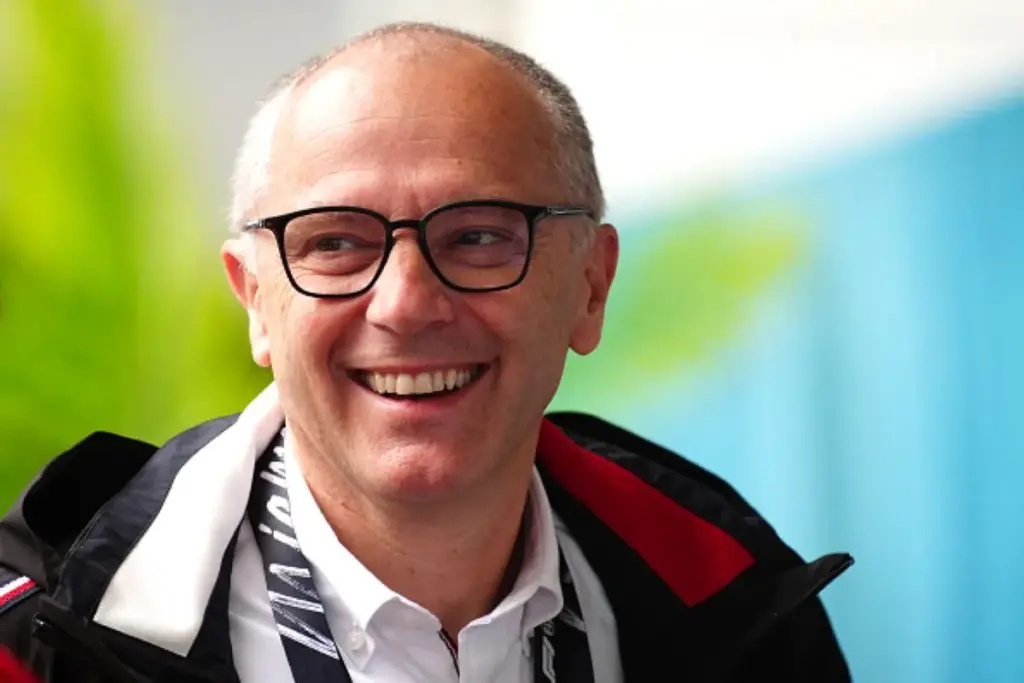
The independence of manufacturers
Unlike in the past, Domenicali no longer wants regulations to be drafted based on manufacturers’ requests, but structured so that they are accessible to smaller entities as well: “Another risk is that if manufacturers decided to leave, as happened in the past, we would have a big problem. Not by chance, the current power unit regulations were written this way precisely because we were in such a situation. In the future, therefore, we will have to try to be ready to be independent if our goals differ from those of the manufacturers.”
Formula 1 could thus welcome independent manufacturers again: “It is definitely a solution. The technological project is less complex, but still linked to goals in terms of costs and performance. Surely, this helps to be more independent without running this risk [that manufacturers leave], which I do not see today. In this technological change, in which before everyone had gone in one direction, now market niches are seen that have forced manufacturers to return to platforms that had been abandoned.”
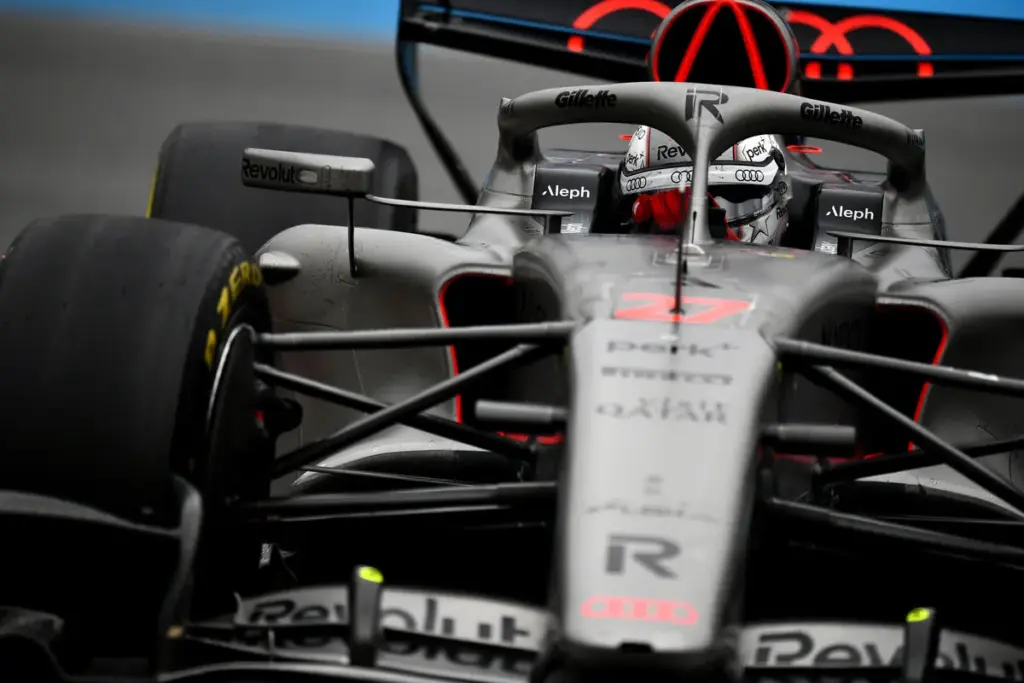
The separation between racing and mobility
Detaching from the technological demands of manufacturers would also allow developing an engine and car concept more suitable for the spectacle that Formula 1 intends to offer. “Mobility choices will be increasingly less consistent with those of motorsport, because racing is activating different ‘vibrations’ compared to the sustainability needs of technology and mobility. We, however, are keeping mobility at the center, we have not changed the goals, but the two areas are clearly going in opposite directions,” concludes Domenicali.