



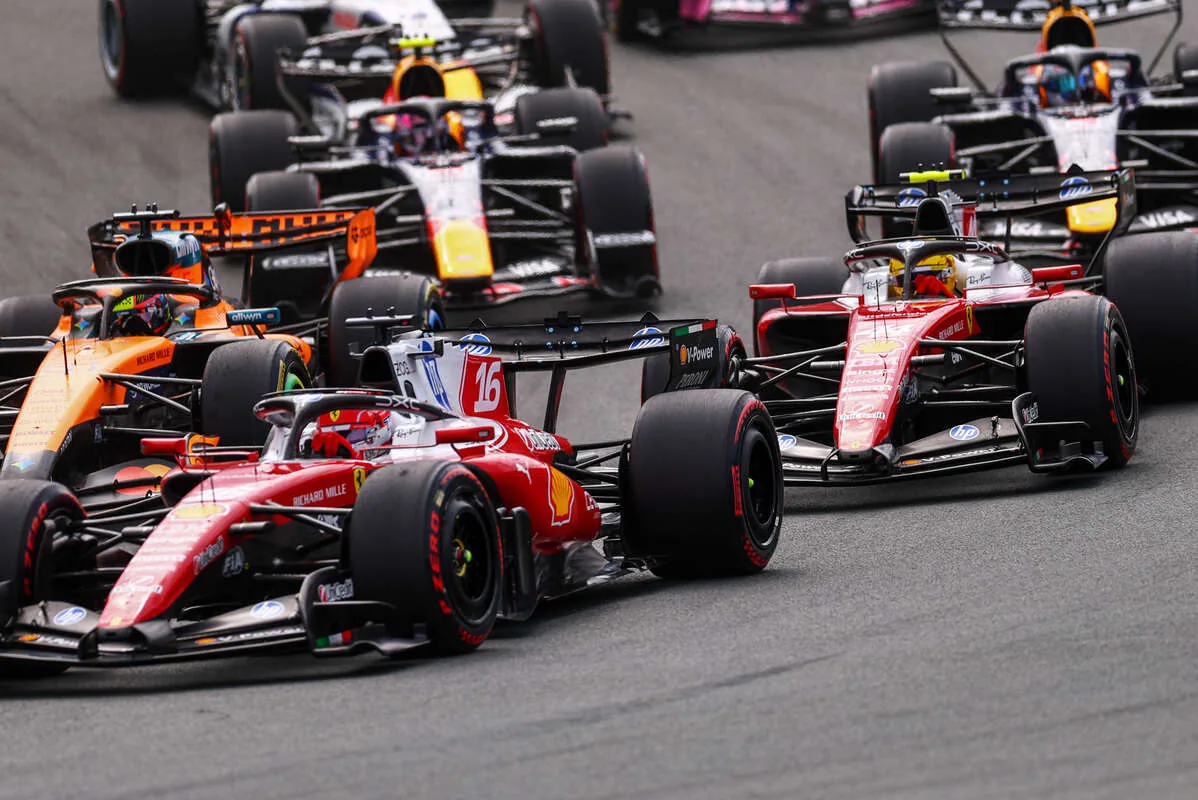
The outcome of the Italian Grand Prix could be less predictable than expected. Normally, the obvious favorite would be Mercedes, whose flagship driver, however, Andrea Kimi Antonelli, will start from the back. McLaren can also leverage the powerful Brixworth power unit, but the MCL40 also has some less than optimal characteristics for the Italian track. Finally, there is Ferrari, which will try to leverage its strengths, while waiting to discover the effectiveness of the engine updates.
Mercedes
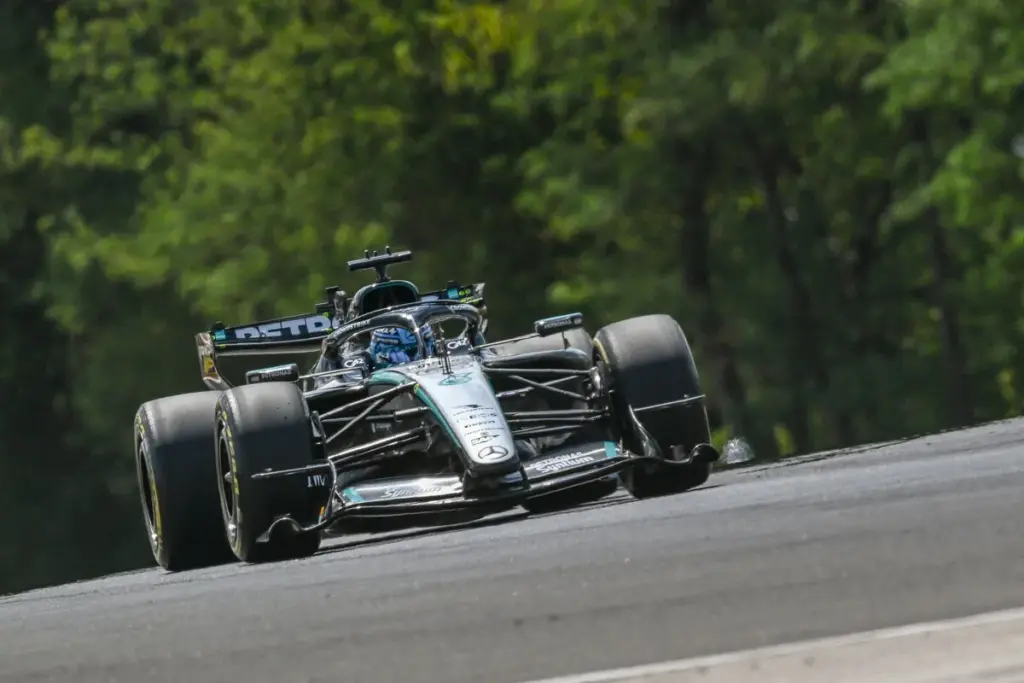
The Monza stage represents a favorable opportunity for the Silver Arrows to return to victory. Not only does the W17 boast a highly competitive power unit, but also often effective energy management strategies. This is an aspect that will be absolutely relevant in Brianza, where the four straights will force choices on where to spend and where to recharge electric energy. Mercedes has also distinguished itself many times for straight-line speed, thanks also to longer gear ratios and an efficient aerodynamic setup. In this regard, in Italy the Brackley team will be able to rely on the low downforce package that made its debut at Spa, later considered too extreme for the Belgian track.
Unfortunately for the home crowd, Mercedes has already decided to serve the grid penalty for the power unit replacement with Andrea Kimi Antonelli, who will start from the back. It is unlikely that the team led by Toto Wolff will be able to aim for victory with its current lead driver, therefore having to rely on George Russell. The Englishman’s performance on the Italian track remains to be seen, given his recurring difficulties in low grip conditions, such as those typical of the Brianza event. At Monza, there will also be several opportunities to attempt overtaking, placing greater emphasis on race pace, an area in which the W17 has not stood out in the last two events. Overall, Mercedes has the credentials to still aim for success, but much will also depend on the form of the competition.
Ferrari
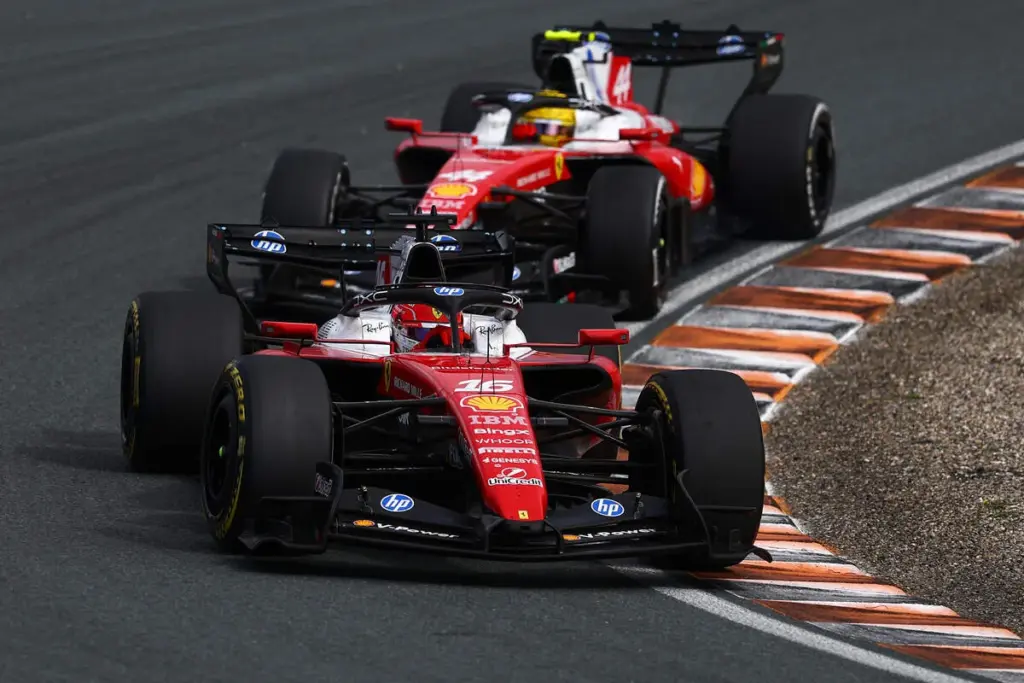
The home race does not seem the most favorable to witness a Ferrari victory. The SF-26 does not shine on the straight and not only because of the engine, but this did not prevent Leclerc from achieving a surprising victory at Silverstone, albeit helped by Antonelli’s retirement. In England, however, the abundant aerodynamic load gave Ferrari enviable stability and competitiveness in fast corners, benefiting energy management strategies. At Monza, there will be less margin to do the same, as Ascari and Parabolica will be the only high-speed direction changes.
Read more Polestar 4 SUV, more versatile and functional
However, the Prancing Horse will have its cards to play, starting with the second updated power unit of the season, which will bring a few more horsepower. At Monza, there will also still be important braking zones, where a lot of stability will be needed, an area in which the SF-26 has so far been the benchmark. Finally, Ferrari could finally capitalize on the good race pace already shown at Zandvoort and Budapest, but this time with better overtaking opportunities. The important thing will be to have good tire degradation management, with Pirelli offering the softest compounds in the range: C3, C4, and C5.
McLaren
The world champions come off two consecutive victories, proving the quality of the updated MCL40. The papaya car’s strength lies in fast corners, which at Monza it will try to capitalize on especially at Variante Ascari and Parabolica-Alboreto. Moreover, McLaren has the powerful Mercedes power unit on its side, whose exploitation has improved greatly compared to the beginning of the year, thanks to new simulation tools that have allowed optimizing energy management. Finally, the Woking team will bring some novelties to Italy, including the H-Wing, the inverted movable wing, commonly known as Macarena.
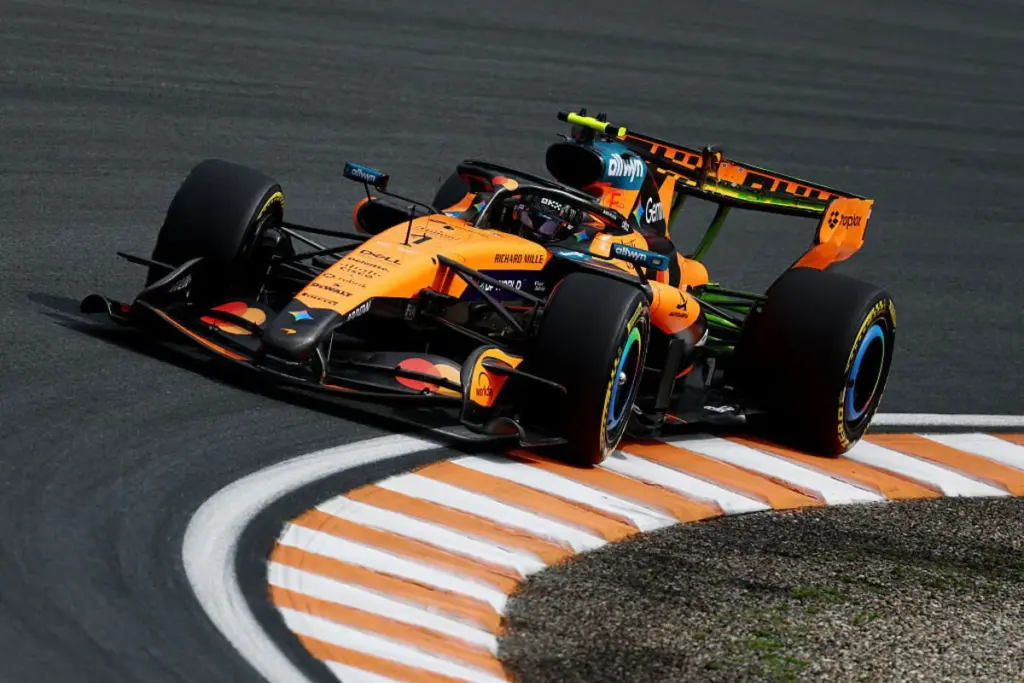
It is a McLaren hungry for confirmations, eager to find out if it will be in the fight for victory even on a track very different from the previous ones. Certainly, it will not be a walk in the park for the MCL40, whose shorter gear ratios and aerodynamic drag limit its competitiveness on the straight. The Woking car also does not excel in braking and will have to prove agile on curbs and on corner exits, after struggling with traction in slow corners in the last two events. Overall, on the eve of the Italian Grand Prix, no clear favorite emerges, confirming the trend of an increasingly compact Formula 1, where execution has become central again.
Read more Vasseur confirms: “At Monza with the updated engine. Schumi, your values always with us”